





Expressway Unveiled
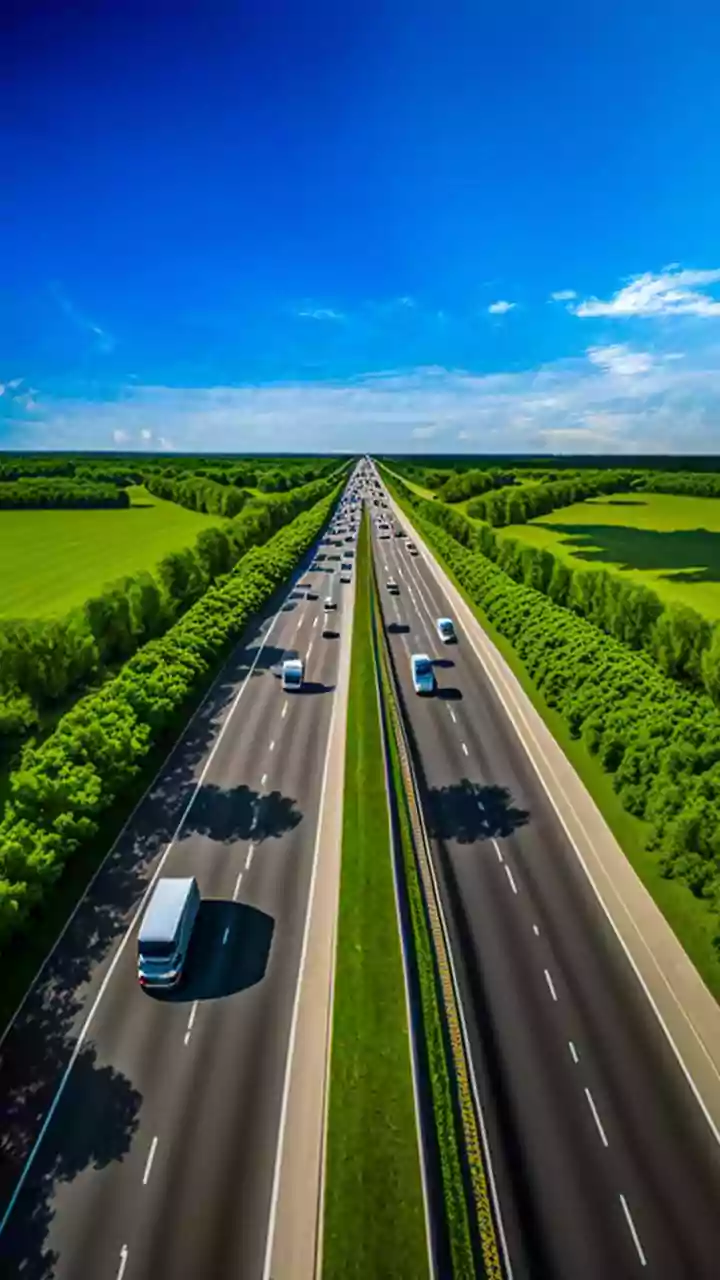
The much-anticipated Delhi-Dehradun Expressway is poised to redefine inter-city travel, with its official opening scheduled for April 14. This monumental
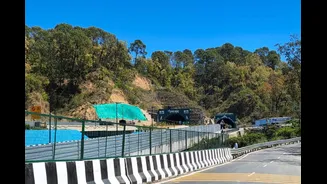
infrastructure project, estimated to cost Rs 12,000 crore, is designed to dramatically slash the commute between Delhi and Dehradun. Travelers can expect the journey, which currently takes around 6 hours, to be reduced to a mere 2.5 hours once the expressway is fully operational. The route commences near the iconic Akshardham Temple in Delhi and extends all the way to Dehradun, traversing through key Uttar Pradesh towns such as Baghpat, Baraut, Muzaffarnagar, Shamli, and Saharanpur. A significant addition is the spur connection directed towards Haridwar, which will also integrate with the Char Dham Highway. This strategic link is expected to substantially improve accessibility to popular hill stations and vital pilgrimage sites nestled within Uttarakhand and Uttar Pradesh, benefiting both residents and visitors.
Road vs. Rail Speed
Designed for efficient travel at speeds up to 100 kmph, the Delhi-Dehradun Expressway is set to eclipse rail travel in terms of speed, cutting journey times by over three hours. Currently, the fastest train connecting Anand Vihar and Dehradun is the Vande Bharat Express, which requires approximately 4 hours and 45 minutes to cover the roughly 302 km distance. The expressway will shave off more than two hours from this duration. Other rail services, like the Dehradun Shatabdi Express, take about 6 hours and 10 minutes, with fares for the AC Chair Car at approximately Rs 920 and for the Executive Chair Car at Rs 1,420. The Jan Shatabdi Express offers a slightly quicker journey of about 5 hours and 45 minutes, with ticket prices starting from Rs 175 for Second Sitting and Rs 545 for AC Chair Car. These figures highlight the significant time savings offered by the new expressway.
Gateway to Hill Stations
For those planning a trip to the popular hill station of Mussoorie, the expressway promises even greater convenience. The overall travel time from Delhi to Mussoorie is projected to shrink to approximately 4 hours. Currently, the journey involves taking a train to Dehradun, which takes around 4 hours and 45 minutes via the Vande Bharat Express, followed by an additional 1.5-hour road trip to Mussoorie, bringing the total travel duration to about 6.5 hours. The new expressway is anticipated to cut down this combined journey by nearly two hours, making weekend getaways and shorter trips to the hills more feasible and appealing for a wider range of travelers.
Cost Considerations: Cab vs. Train
When it comes to the financial aspect, the choice between a cab and a train for the Delhi-Dehradun route presents varying economic advantages. Cab fares, as estimated by MakeMyTrip, typically range from Rs 2,734 to Rs 7,409 for a one-way trip to Dehradun, excluding any additional taxes or surcharges, with the final price dependent on the vehicle type selected. In contrast, train tickets on the Vande Bharat Express are priced at approximately Rs 1,075 per person for the AC Chair Car and Rs 1,900 per person for the Executive Chair Car. Consequently, for a group of four individuals, opting for a hired cab might prove to be more cost-effective than purchasing separate train tickets for each passenger. However, for solo travelers, the affordability of train travel, particularly the Vande Bharat Express, generally makes it the more economical choice.
Air Travel: Speed vs. Price
Air travel continues to hold the title for the fastest mode of transport between Delhi and Dehradun, with a flight duration of around 1 hour and 10 minutes. Despite this time advantage, it remains the most expensive option compared to road and rail. As of April 12, flight ticket prices for April 15 departures from Delhi start at approximately Rs 4,089 per person. This makes flying a significantly pricier alternative, even though it offers the shortest transit time. While the speed of air travel is undeniable, the substantial cost difference suggests that for many, the efficiency gains of the new expressway or the moderate speeds of trains might offer a more balanced trade-off between time and budget.