




Sierra's Arrival Anticipated
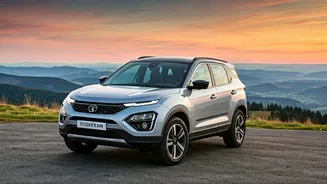
The automotive world is looking forward to the arrival of the Tata Sierra, slated for 2026. This anticipation has been fueled by test drives featured in automotive publications.
Based on initial reports, the Sierra aims to be a significant contender in the midsize SUV segment. The vehicle is expected to showcase design elements and performance metrics, with test drives playing a crucial role in shaping consumer perception. The industry is closely observing the Sierra's launch and its potential impact on its competitors. This launch is highly anticipated for its innovative design and advanced features, aiming to redefine the standards of the midsize SUV class. Furthermore, the Sierra's debut is expected to boost Tata Motors' market presence. The initial reviews suggest a vehicle that prioritizes both form and function.
Key Features Explored
The forthcoming Tata Sierra is expected to come with a suite of features designed to enhance the driving experience. Automotive enthusiasts are particularly interested in its potential electric powertrain options, given the increasing shift toward sustainable mobility. Discussions also revolve around its interior and technological integration, with expectations of a modern and user-friendly interface. Driver-assistance systems are anticipated, potentially including advanced safety features. These systems will not only ensure a safer journey but also add to the vehicle's appeal. Additionally, the Sierra’s design is expected to focus on both aesthetics and practicality. All of these features are designed to create a superior driving experience and provide a competitive edge in the midsize SUV market. The vehicle's anticipated features represent the industry's progression.
Driving Experience Insights
The initial feedback from test drives of the Tata Sierra offers insights into its performance. The driving experience is reportedly a key focus, with emphasis on the vehicle's handling and overall responsiveness. Reviewers have analyzed factors such as acceleration, braking, and steering precision to gauge its capabilities. Moreover, the SUV's ride quality is evaluated on various road surfaces to gauge its overall comfort level. The powertrain's efficiency, whether petrol, diesel, or electric, and its impact on the driving experience is another key aspect. These initial impressions offer valuable clues about what to anticipate. The goal is to provide a balanced overview of the vehicle’s driving dynamics, giving potential buyers a comprehensive understanding of its capabilities. This also helps in forming an opinion about the Sierra.
Market Competition Overview
The midsize SUV segment is very competitive, with several established players and emerging contenders. The Tata Sierra will have to compete with vehicles that have already built a reputation. These SUVs have established themselves, creating a complex market landscape. Competitive strategies include a focus on unique features, design elements, and performance metrics. These include a variety of powertrains, including traditional gasoline and diesel engines, along with hybrid and all-electric options. The competition between these vehicles is expected to drive innovation, resulting in new advancements in the segment. The focus will be on the combination of features, performance, and price, giving the Tata Sierra both challenges and opportunities in the market.
Looking Ahead: 2026 Trends
The year 2026 will bring changes in the automotive industry, specifically in the SUV market. Electric and hybrid vehicles are going to be more and more common, which will affect fuel efficiency and reduce carbon emissions. Technology will improve with improved connectivity and autonomous driving systems. These advancements are expected to reshape the driving experience. Additionally, the interior and exterior designs will continue to evolve, with an emphasis on both aesthetics and functionality. These trends will impact the Tata Sierra's design and features. The market will be more consumer-driven and focus on comfort, safety, and modern design. As these trends take shape, the auto manufacturers will need to be agile to meet the changing demands. The competition will be based on the balance of these trends.