


The Vinyl Revolution
Indian Railways is embracing a modern approach to train aesthetics, moving away from conventional liquid painting towards the adoption of high-grade vinyl
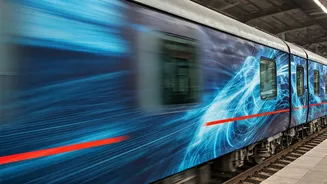
wrapping. This innovative method has gained significant traction, especially after a video showcasing the application of red vinyl film onto a train's exterior went viral on social media platforms. The process involves skilled railway employees meticulously applying adhesive-backed polyvinyl chloride (PVC) sheets to the coach surfaces, ensuring a smooth and uniform finish. This shift is driven by the promise of a quicker, more efficient, and environmentally friendlier alternative to traditional paint jobs. The viral clip highlighted the precision involved, sparking discussions about the evolution of train design and maintenance within the country's vast rail network and its operational efficiencies.
Origins of the Wrap
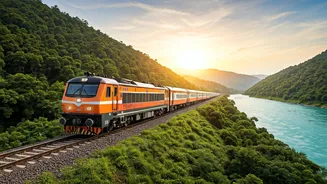
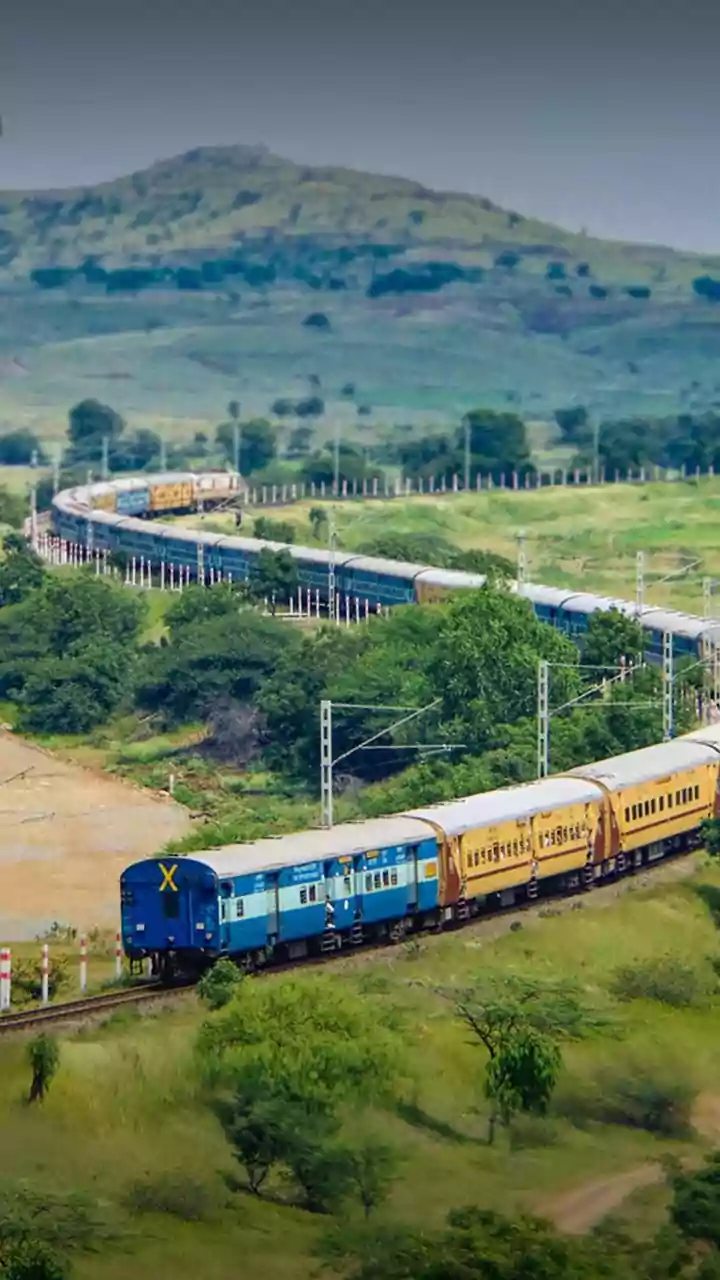
The advent of high-grade vinyl wrapping on Indian trains is reportedly linked to the tenure of Mamata Banerjee as the Railway Minister. During her second term, specifically between 2009 and 2011, the Duronto Express trains were among the first to feature colourful vinyl wraps. This innovative solution was conceived to handle the intricate and abstract designs required for these trains, which were deemed less feasible with traditional painting methods. The goal was to achieve a visually striking appearance that also offered practical benefits, such as being cost-effective and less labor-intensive. The iconic yellow-green livery of the Duronto trains remains a testament to this early, impactful implementation of vinyl wrapping, marking a significant departure from previous design conventions.
Advantages Over Paint
Vinyl wrapping presents a compelling array of advantages when contrasted with traditional liquid painting techniques. The conventional painting process is time-consuming, involving steps like sanding, priming, applying multiple coats, and extensive drying periods. In contrast, vinyl application is significantly faster; typically, 2-3 workers can complete a single coach in just one day, eliminating the need for curing time and minimizing exposure to hazardous fumes. This speed translates directly into reduced train downtime, a critical factor for operational efficiency in a busy railway system. Furthermore, vinyl wraps are generally more cost-effective due to reduced labor and material costs, as they bypass the need for primers, numerous paint layers, and clear coats. The process also generates less waste and environmental impact compared to painting, making it a cleaner alternative. Beyond efficiency and cost, vinyl wraps offer superior gloss retention and can even allow for interior maintenance to continue simultaneously during exterior application.
Application and Upkeep
The application process for vinyl wraps on trains is remarkably efficient, with a team of 2-3 individuals able to cover an entire coach in just one to two days. This speed is primarily due to the absence of drying or curing times, which can add days or even weeks to traditional painting schedules. This accelerated turnaround is crucial for minimizing the time trains spend out of service, ensuring greater availability for passenger and freight transport. In terms of maintenance, vinyl wraps simplify upkeep significantly. They do not require periodic waxing and can be easily cleaned with mild soap and water. Their surface is resilient to stains and adept at masking minor scratches, preserving the train's aesthetic appeal over time. Moreover, the protective layer of the vinyl shields the original paintwork from detrimental effects of UV radiation and minor abrasions, extending the lifespan of the train's exterior appearance and integrity.
Design Flexibility
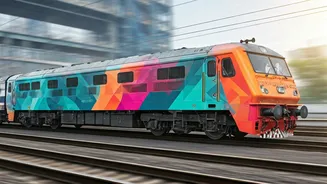
Vinyl wrapping offers unparalleled design freedom, transcending the limitations often encountered with conventional painting methods. Complex and vibrant artistic expressions, such as the abstract speed motifs seen on the Duronto trains, can be digitally printed with remarkable precision and then seamlessly applied to the train's surface. This digital printing capability allows for intricate patterns and a wide spectrum of colors that would be challenging or prohibitively expensive to achieve with traditional paint. A significant advantage is the ability to easily remove or replace these wraps for rebranding or updates without causing any damage to the underlying train structure. This flexibility makes vinyl wraps an ideal solution for temporary advertising campaigns, special livery promotions, or evolving design aesthetics, offering a dynamic and adaptable way to personalize train exteriors.
Durability and Safety
High-quality vinyl wraps are engineered for longevity and performance, typically retaining their polished appearance for over 18 months. A key safety benefit is the elimination of paint fumes, which are a significant concern with traditional painting processes. Additionally, many vinyl films can incorporate reflective elements, enhancing the train's visibility, particularly during low-light conditions or adverse weather, thereby contributing to safer operations. The material itself is lighter than multiple layers of paint, which can contribute to improved fuel efficiency over the long term. These wraps are designed to withstand various environmental conditions, offering robust protection while maintaining their visual integrity, ensuring trains look good and are safe for extended periods.