





Twin-Cylinder Power Advantage
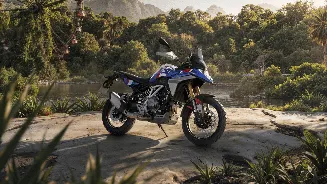
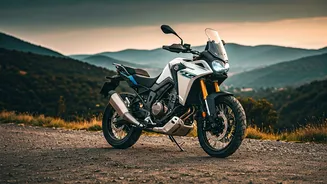
The upcoming adventure motorcycle distinguishes itself with a robust, newly engineered parallel-twin engine. This powertrain generates an impressive 48
horsepower and 43 Nm of torque, providing a noticeable performance uplift compared to the single-cylinder engines found in its main rivals. For context, the competing Royal Enfield Himalayan 450 utilizes a 452cc engine producing 40 horsepower and 40 Nm of torque. Similarly, the KTM 390 Adventure is equipped with a 398.6cc single-cylinder unit that delivers 46 horsepower and 39 Nm of torque. This difference in engine configuration and output suggests a smoother, more potent riding experience for the new model, particularly for long-distance touring and when carrying extra weight.
Revolutionary Clutch System
A standout feature is the innovative clutch technology, known as the Easy Ride Clutch (ERC) system. This system ingeniously removes the necessity for riders to engage the clutch lever manually across all riding scenarios. Unlike a standard bi-directional quickshifter, which primarily aids in gear changes, the ERC system simplifies operations from starting off from a standstill, smoothly transitioning through gears, and even managing intricate off-road maneuvers. This technological advancement aims to enhance rider comfort and control, making the motorcycle more accessible and less demanding, especially in challenging terrain or stop-and-go traffic situations.
Lightweight Aluminium Wheels
The new adventure bike is equipped with lightweight, cast aluminium wheels designed for versatility, suitable for both on-road and off-road excursions. These wheels are fitted with tubeless tires, offering the convenience of easier puncture repairs compared to traditional tube-type setups. While it features a 19-inch front wheel, which differs from the 21-inch front wheels found on some competitors, it's important to note that an optional 19-inch front wheel is also available for certain rivals. Competitors like KTM and Royal Enfield offer tubeless, cross-spoked wheels as optional upgrades on their adventure tourers, which can be advantageous for more extreme off-road riding.
Advanced Ergonomic Adjustments
When it comes to rider comfort and customization, this new adventure motorcycle takes a significant leap forward. While competitors offer seat height adjustments, this model provides a more comprehensive suite of ergonomic options. It includes a choice of three different seat variants, adjustable hand levers, and an optional handlebar riser. Furthermore, the footrests can be adjusted, and the gearshift and footbrake levers themselves offer height adjustability. The standard setup features a two-part seat at 845 mm, with lower (830 mm) and higher (865 mm) rally-style seat options available. The adjustable handlebar levers and optional 20 mm risers are crafted from anodized silver aluminum. The footrest system includes removable rubber grips, and the levers can be repositioned by 20 mm in two distinct settings. Wider enduro footrests are also an available accessory.
Superior Power-to-Weight Ratio
A crucial advantage of the new entry-level adventure bike lies in its overall lighter construction. Tipping the scales at 178 kg, it boasts a more favorable power-to-weight ratio when compared to its direct competitors. In contrast, the Royal Enfield Himalayan 450 weighs in at 196 kg, and the KTM 390 Adventure registers at 182 kg. This weight difference, combined with its powerful twin-cylinder engine, translates to potentially quicker acceleration, more agile handling, and a more engaging riding dynamic, especially when navigating varied terrain or carrying rider and luggage over long distances.