





Market Growth Dynamics
The Indian automotive market has demonstrated impressive growth, driven by a combination of factors. There's been a surge in demand, propelled by increasing
disposable incomes and a growing middle class, leading to a higher propensity for vehicle ownership. Government initiatives and policies, such as infrastructure development and tax incentives, have also played a crucial role in fostering market expansion. Furthermore, the entry of global automotive manufacturers, who have brought in diverse product offerings and advanced technologies, has significantly contributed to the market's dynamism and competitiveness, boosting consumer choice and innovation within the industry. This has created a vibrant and expanding sector.
Electric Vehicle Adoption
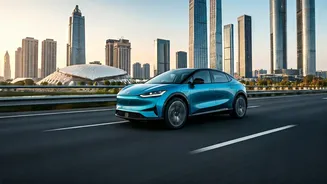
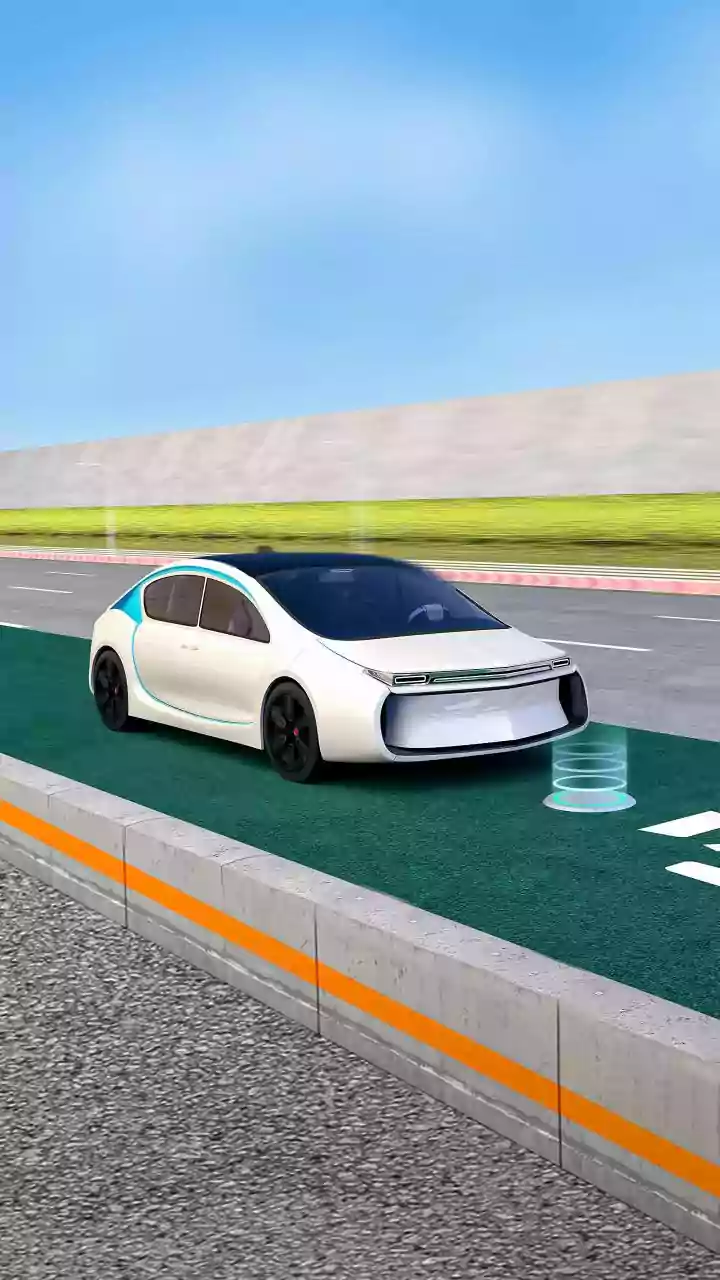
The adoption of Electric Vehicles (EVs) in India is on an upward trajectory, fueled by both environmental concerns and government support. The Indian government has actively promoted EV adoption through various schemes and subsidies, aiming to reduce the nation's carbon footprint and encourage sustainable mobility. Infrastructure development, including the establishment of charging stations across cities, is essential for EV acceptance. Moreover, the increasing availability of affordable EV models from both domestic and international manufacturers is making EVs more accessible to a broader consumer base. The long-term vision involves a significant shift toward electric mobility, promising considerable transformations in the Indian automotive landscape and contributing to environmental sustainability.
Technological Advancements
Technological advancements are rapidly reshaping the automotive industry in India. Connected car technology, offering features like navigation, real-time traffic updates, and remote vehicle control, is becoming increasingly popular. Advanced Driver-Assistance Systems (ADAS), including features such as lane departure warning and automatic emergency braking, are being integrated into new vehicles to improve safety. Furthermore, the push towards autonomous driving is gaining momentum, with automakers conducting research and development to adapt self-driving technologies for Indian road conditions. These technological innovations are not only enhancing the driving experience but are also improving vehicle safety and efficiency, influencing the future of mobility in India.
Consumer Preferences Evolving
Consumer preferences in the Indian automotive market are constantly changing, reflecting evolving lifestyles and priorities. There is a growing demand for fuel-efficient vehicles, driven by rising fuel costs and environmental consciousness. Consumers are also placing greater emphasis on safety features, leading to increased demand for cars equipped with advanced safety systems. The popularity of SUVs and compact SUVs continues to rise, as they offer versatility and a commanding road presence. Moreover, the preference for connected car features and infotainment systems is increasing, as consumers seek vehicles with advanced technological capabilities. These shifts are influencing the strategies of automakers and the types of vehicles they offer to meet the diverse needs of Indian consumers.
Government Regulations Impact
Government regulations significantly impact the Indian automotive sector. Emission norms, such as Bharat Stage VI (BS6) standards, have pushed automakers to adopt cleaner technologies and improve vehicle emissions. Safety regulations, including mandatory safety features and crash test standards, are enhancing vehicle safety standards. Policies related to electric vehicle adoption, such as tax incentives and subsidies, are driving the shift toward electric mobility. Furthermore, policies aimed at promoting local manufacturing and reducing import duties are influencing the structure and competitiveness of the automotive market. These regulations, along with government-led initiatives, play a crucial role in shaping the trajectory of the automotive industry in India, fostering innovation, and promoting sustainability.