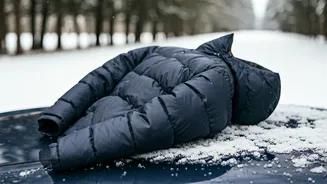

Layering For Warmth
Effective layering is crucial for staying warm during winter. The base layer should wick away moisture, keeping the skin dry. Consider options like merino
wool or synthetic materials designed for moisture-wicking. The mid-layer provides insulation, trapping heat. Fleece or down jackets work well here. Lastly, the outer layer protects from wind, snow, and rain. Waterproof and windproof jackets with features like a hood and adjustable cuffs are ideal. The combination of these layers enables you to adapt to changing weather conditions, maintaining comfort and warmth throughout the day. This adaptable approach helps regulate body temperature, ensuring you are neither too hot nor too cold, making outdoor activities more enjoyable during winter.
Jacket Material Matters
The material of your winter jacket impacts both its warmth and its performance in various weather conditions. Down is an excellent insulator, renowned for its warmth-to-weight ratio; however, it loses its insulating properties when wet, so ensure it is covered by a water-resistant shell. Synthetic insulation, like polyester, is a more affordable alternative that retains its insulating capabilities even when damp. Waterproof and breathable fabrics are vital for the outer layer. Look for fabrics that balance water resistance with breathability. Features such as taped seams and waterproof zippers further enhance protection from the elements. Consideration of materials also extends to the lining and other components, like cuffs, which help with trapping heat and keeping moisture out.
Various Jacket Styles
Winter jackets come in a wide range of styles, each offering different aesthetics and functionalities. Parkas are a classic choice, typically long and offering great coverage and warmth, often featuring a hood with faux fur trim. Puffer jackets, filled with down or synthetic insulation, are known for their puffy appearance and excellent insulation, perfect for very cold climates. Trench coats, designed for water resistance, offer a more refined appearance and may be suitable for milder weather. Anoraks are lightweight, often windproof, and suitable for active outdoor activities. When selecting, consider your personal style, the intended use, and the weather conditions you commonly face. The goal is to choose a jacket that suits your lifestyle and provides optimal warmth and protection.
Fit and Comfort
The fit of a winter jacket is crucial for both comfort and performance. A well-fitted jacket allows for layering without feeling restrictive, ensuring freedom of movement. Consider the length, making sure it provides enough coverage to protect from the elements, but doesn’t impede walking or sitting. Shoulder fit is particularly important; the seams should align with your shoulders, and sleeves should be long enough to cover your wrists. When trying on a jacket, make sure there’s enough room to accommodate your base and mid-layers. Test the jacket with the layers you usually wear during winter. Remember that comfort is individual; what feels comfortable to one person might not feel right to another, so don't hesitate to try on different styles and sizes until you find the perfect fit.
Color and Design
The color and design of your winter jacket greatly influence your overall look. Neutral colors, such as black, navy, or olive green, are highly versatile and easily match with various outfits. Brighter colors or patterned jackets can make a bold fashion statement, injecting personality into your winter wardrobe. Consider your existing wardrobe and the type of outfits you frequently wear. If you want a jacket that complements a wide array of looks, opt for a neutral color. If you are looking for a statement piece, choose a jacket with a vibrant hue or an eye-catching design. Pay attention to details such as the hood, pockets, and zippers. These can significantly impact the jacket's functionality and aesthetic appeal. Choosing a jacket that reflects your personal style and preferences ensures you'll feel confident and stylish all winter long.
Care and Maintenance
Proper care and maintenance will prolong the life of your winter jacket and maintain its performance. Always follow the care instructions provided on the jacket’s label. Down jackets often require special care, typically including washing with a specific down detergent and drying on a low setting with dryer balls to restore the loft. Synthetic insulation jackets are generally easier to care for and may be machine-washed and dried. For waterproof jackets, periodically re-apply a durable water repellent (DWR) treatment to maintain their water resistance. Regularly spot-clean stains, especially if your jacket is a light color. Proper storage during the off-season, such as hanging the jacket in a dry, well-ventilated area, prevents damage. Addressing minor repairs quickly, like fixing a torn seam, can prevent small issues from becoming major problems, ensuring your jacket will serve you well for many winters to come.