
Policy's Impact on Production
Government policies are crucial in fostering the local manufacturing of EVs. These policies, aiming to promote domestic production, have set the stage
for the growth of the electric vehicle market. Incentives and supportive regulations have been instrumental in encouraging both domestic and international players to invest in India's EV sector. This has further created a positive environment for the local manufacturing of electric vehicles, driving innovation and technological advancements. As more companies set up manufacturing units, it stimulates economic growth and job creation, strengthening the overall ecosystem for EVs in the nation. This push towards local production helps reduce reliance on imports and makes EVs more accessible and affordable for Indian consumers. It also leads to the development of a robust supply chain, providing components and services within the country. The success of these policies depends on factors like seamless implementation, consistent support, and periodic reviews to adapt to changing market dynamics and consumer preferences.
Passenger Vehicle Boom
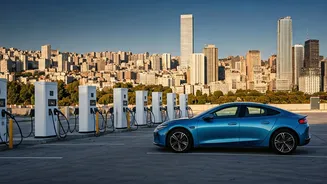
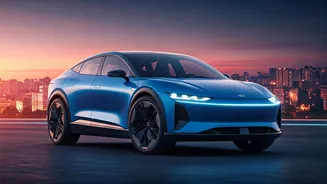
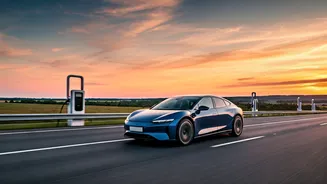
The passenger vehicle segment is experiencing rapid expansion, fueled by increasing consumer interest in electric cars. Several factors contribute to this growth, including rising fuel prices, environmental awareness, and government subsidies. Consumers are becoming more receptive to EVs as options like improved infrastructure and extended driving ranges become available. This increasing demand has spurred manufacturers to introduce more EV models, widening the choices for buyers. Technological advancements are continuously enhancing the performance, efficiency, and safety of electric cars, making them more appealing. Moreover, the long-term cost benefits of EVs, such as lower fuel and maintenance costs, are attracting many buyers. The expansion of charging infrastructure is also removing one of the major barriers to adoption, creating a more conducive environment for EV ownership. The combination of these drivers is expected to boost the passenger vehicle market, as more Indians embrace the transition to electric mobility.
Mainstream Moment Arriving
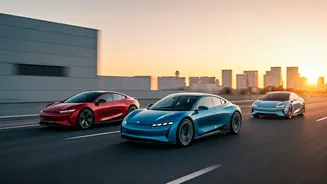
The electric vehicle market is rapidly moving toward mainstream acceptance. This transition marks a significant shift from a niche segment to a prominent part of the automotive industry. The increasing affordability of EVs, driven by technological improvements and government support, is broadening their appeal to a wider audience. Moreover, enhanced public awareness about the environmental and economic benefits is fueling demand. As charging infrastructure expands, range anxiety is diminishing, encouraging more consumers to consider EVs. The mainstreaming of EVs is also leading to significant investment in research and development, resulting in better performance and innovation. This involves efforts to streamline production processes, reduce costs, and improve the overall ownership experience. The introduction of more versatile and stylish EV models, coupled with ongoing promotional activities, is creating greater visibility and recognition. The growth also encourages traditional automakers to invest heavily in electric vehicle models as well. This will drive the entire industry forward.
2026: Reality Check
By 2026, the Indian EV market will undergo a crucial reality check, as the initial buzz transforms into sustainable growth. Several elements will determine the industry's future. The success hinges upon the development of reliable charging infrastructure, with adequate coverage across urban and rural areas. Meeting this challenge needs strategic investments and partnerships among public and private sectors. Also, the expansion of the EV market relies on continuous technological progress, especially in battery technology, which affects driving range and charging times. The availability of affordable EV models and innovative financing options becomes extremely important. Furthermore, government policies will undergo critical evaluation, requiring adjustments based on real-world impact and market trends. Continuous consumer education and the establishment of trust in EV technology and support infrastructure are essential. This period is a critical stage for the entire EV landscape to evolve from its early stages, ensuring sustainable and inclusive growth.
Two-Wheelers Slowdown
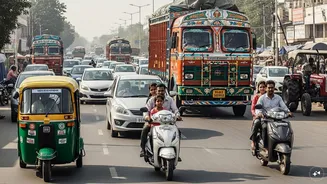
The two-wheeler segment is witnessing a temporary slowdown in EV adoption. Several factors can be attributed to this trend. The slowdown could be a result of high prices when compared to traditional petrol-powered two-wheelers. The cost of batteries and limited charging infrastructure presents additional challenges. Consumer preferences are also shifting, as riders may still favor the convenience and cost-effectiveness of traditional petrol bikes for the time being. This segment faces specific issues like the development of robust battery swapping solutions and the need for standardized charging. Furthermore, the availability of financing options and government subsidies are crucial for boosting sales. Addressing these obstacles requires strategic intervention, including policy support, technological advancements, and innovative business models, to ensure long-term growth. Moreover, providing education and awareness programs will help change consumer perceptions, making EVs more appealing.
Launch Wave's Buzz
The ongoing launch wave of new EV models consistently generates excitement and interest in the Indian market. New model releases play a vital role in sustaining consumer engagement and boosting overall industry growth. Each new launch brings with it enhanced features, design improvements, and performance upgrades, attracting buyers. It also keeps the market competitive, which pushes manufacturers to innovate and introduce new products. These launches further highlight the diversity of EV options, covering different segments. This wide variety of models caters to various consumer requirements, from city commuters to long-distance travelers. Launch events generate media coverage and public discussions, reinforcing awareness and interest. The increased visibility leads to the growth of brand awareness among potential consumers. This constant stream of launches keeps the momentum going, which is essential to drive the Indian EV market forward by attracting consumers and stimulating economic growth.