




Revolutionary MLFF Explained
The Multi-Lane Free Flow (MLFF) system represents a significant upgrade in toll collection, designed to replace conventional toll plazas with a fully automated
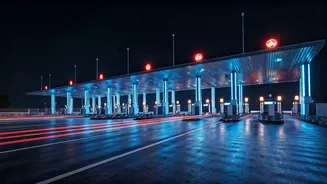
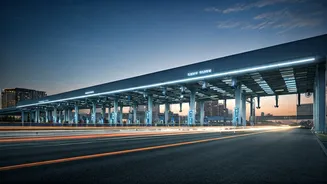
and barrier-free experience for drivers. This cutting-edge technology allows vehicles to proceed through toll points without the need to decelerate or halt, thereby eliminating the traffic congestion typically associated with physical toll booths. At its core, the MLFF system integrates advanced Automatic Number Plate Recognition (ANPR) cameras with the existing FASTag electronic toll collection mechanism. As a vehicle passes under the tolling gantry, high-resolution cameras capture its registration details instantaneously. Simultaneously, sophisticated sensors analyze the vehicle's dimensions and axle count to accurately classify it and determine the appropriate toll fee. This information is then electronically linked to the vehicle's FASTag account, facilitating a smooth, contactless payment that bypasses the need for manual intervention or any form of barrier. This technological leap aims to create a more fluid and efficient flow of traffic on national highways and urban expressways across the country, enhancing the overall travel experience for millions of commuters.
Driving Towards Smoother Journeys
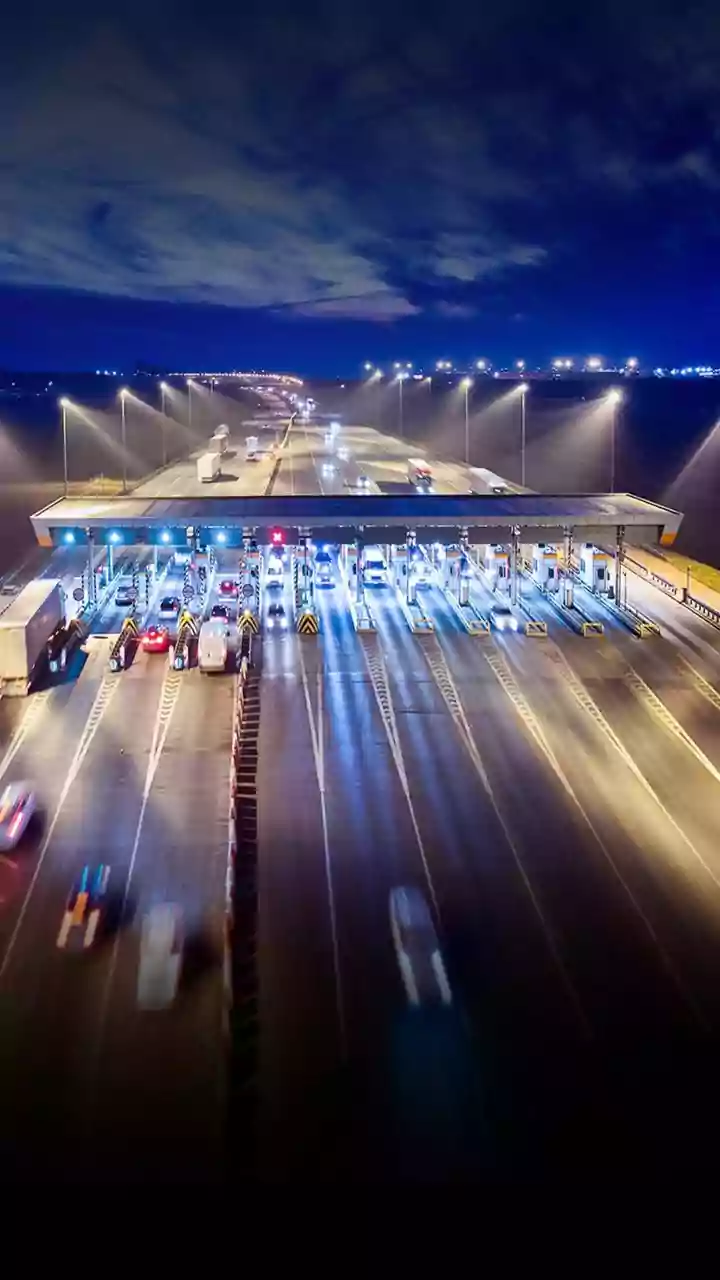
The governmental impetus behind promoting barrier-less tolling, like the MLFF system, stems from a strategic aim to resolve the persistent issue of traffic congestion plaguing India's highways. Traditional toll plazas often become choke points, leading to prolonged waiting times, reduced average speeds, and increased fuel consumption due to the stop-and-go traffic pattern. By removing physical barriers and automating the toll process, authorities anticipate a dramatic reduction in commuter delays and a significant boost in average travel speeds on major routes. Furthermore, minimizing vehicle idling time is expected to contribute to lower fuel expenditure and a reduction in vehicular emissions, aligning with national objectives for environmental sustainability and improved operational efficiency. As articulated by the Minister of Road Transport and Highways, this initiative is poised to enhance both the 'Ease of Living' and 'Ease of Doing Business' by ensuring a more fluid and rapid transit of goods and people throughout the nation.
Seamless Toll Collection Process
In practice, the MLFF system operates with remarkable efficiency, leveraging ANPR cameras and digital tracking technologies embedded within the toll infrastructure. When a vehicle enters the designated toll zone, the system instantly captures its registration number. This data, along with the vehicle classification derived from its physical attributes, is used to generate a unique digital identifier for that passage. Subsequently, the associated toll fee is automatically debited from the vehicle's FASTag wallet, making the entire transaction contactless and entirely free from the need for cash handling or physical validation at a toll booth. The system is engineered to maintain a consistent, unimpeded traffic flow, even during periods of peak travel demand when traditional toll plazas historically experience their most severe congestion, ensuring that delays are kept to an absolute minimum for all road users.
Navigating Low Balances
To ensure the seamless operation of the MLFF system, the National Highways Authority of India (NHAI) has provided clear guidelines for users. It is imperative for motorists to maintain an adequate balance in their FASTag accounts and ensure their tags are always active and functional. The system's accuracy relies heavily on precise number plate recognition, which necessitates the use of High Security Registration Plates (HSRP) on all vehicles. Should a vehicle pass through the MLFF corridor with an insufficient FASTag balance, an inactive tag, or a malfunctioning account, the vehicle owner will be issued an Electronic Notice (E-Notice) for the unpaid toll. Payment of the outstanding amount is required within 72 hours of receiving the notice; if settled within this timeframe, only the original toll charge will apply. However, failing to clear the dues within this grace period will result in a penalty, doubling the original toll amount. Commuters are strongly advised to regularly check their FASTag status and any alerts linked to their registered mobile numbers to avoid unforeseen penalties or payment disputes, ensuring a hassle-free transit experience.
Broader Implications for Highways
Beyond enhancing commuter convenience, the MLFF system is set to fundamentally transform toll administration across India's extensive highway network. This transition to barrier-less tolling promises greater transparency in toll collection operations and a significant reduction in the operational overheads associated with maintaining physical toll plazas. These savings include costs related to manpower deployment for toll collection, cash management, and the upkeep of toll booth infrastructure. The government foresees that the widespread adoption of MLFF technology will culminate in a more efficient, cost-effective, and digitally integrated national highway ecosystem, robust enough to accommodate the escalating traffic volumes projected for the coming years. This modernization effort is a cornerstone of the nation's strategy to build a future-ready transportation infrastructure.
Delhi's UER-II Project Boost
The strategic implementation of the MLFF system on Delhi's Urban Extension Road-II (UER-II) corridor holds particular significance for easing traffic congestion within the national capital region. The UER-II project itself is designed to improve connectivity between Delhi's outer districts and surrounding areas, effectively diverting heavy vehicular traffic away from the city's most congested routes. Introducing barrier-less tolling on this key corridor is expected to amplify its efficiency further by ensuring smoother vehicular movement and drastically reducing travel delays that are typically caused by conventional toll infrastructure. With Delhi now joining Gujarat in embracing this advanced MLFF technology, the government is clearly accelerating its overarching vision of developing a modern, digitally managed, and congestion-free highway network that spans the entire country, marking a new era in Indian transportation.