





New Car Launches
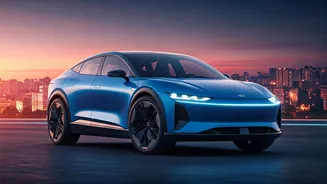
Several car models are set to enter the Indian market, indicating the dynamism of the automotive industry. These range from electric vehicles (EVs) like
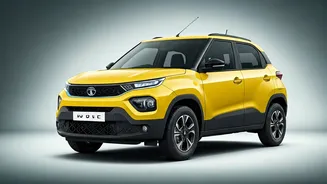
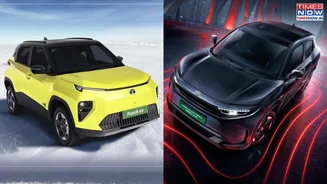
the Jeep Recon Electric, Lexus RZ Electric, and Maruti Suzuki Wagon R Electric to internal combustion engine (ICE) cars like the Audi New Q3 and Citroen New Aircross. There are also previews of upcoming vehicles such as the MG Majestor. This expansion reflects growing consumer interest and competition among manufacturers. The market's diversification promises more choices for Indian buyers, accommodating a variety of preferences and needs. Additionally, the introduction of the new Mahindra XUV 7XO and Tata Punch Facelift showcases technological advancements and design evolution within the sector. These launches align with shifting consumer preferences and the drive for technological integration. The constant influx of new models shows the adaptability of the automotive industry.
Electric Vehicle Boom
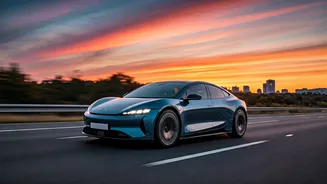
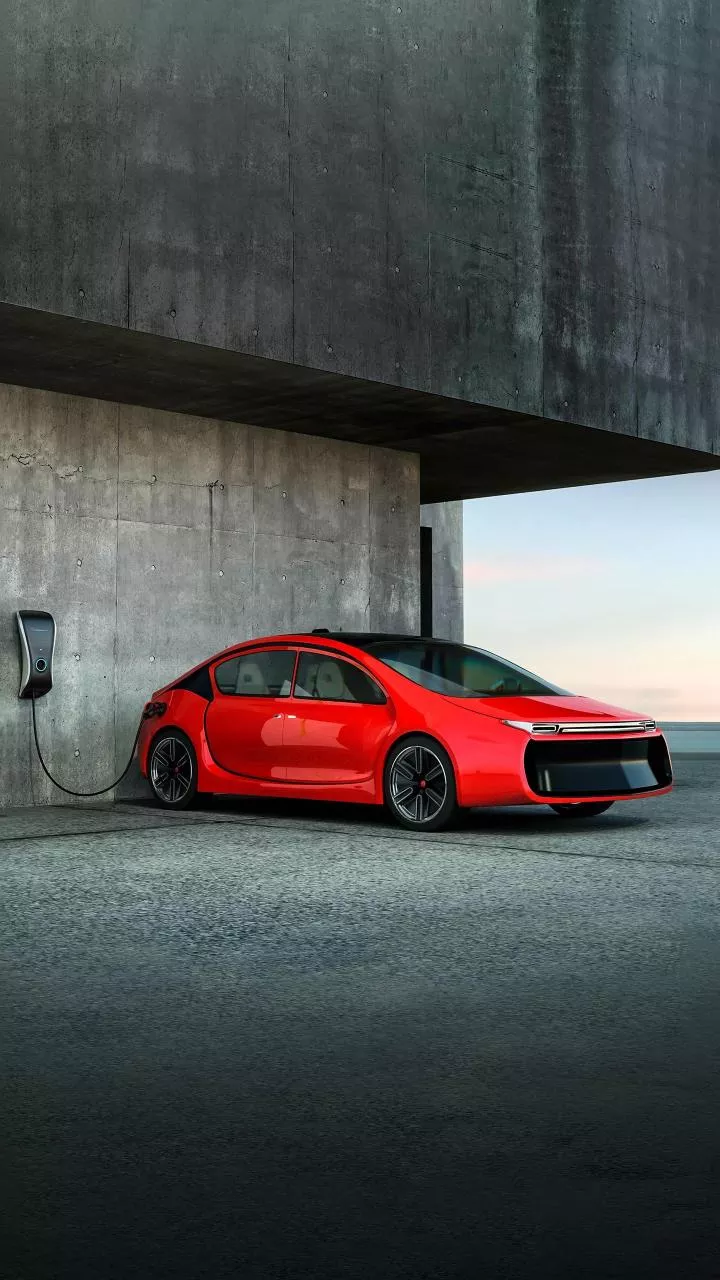
The Indian automotive industry is steadily moving towards electric mobility, with various EVs making an appearance. Models like the Mahindra BE.05, Genesis GV 60, and MG Marvel X are contributing to the expanding electric vehicle market. The rise in electric car launches indicates a shift in consumer interest and a growing acceptance of electric vehicles. This surge in EV launches aligns with the global push for sustainable transportation and government support for the adoption of electric vehicles. Furthermore, the development of electric scooters like the Bajaj Chetak C25 also showcases the growing market for electric two-wheelers. The electric vehicle segment is becoming increasingly diverse, providing consumers with more sustainable options and leading to a broader acceptance of EVs in India.
Trade Agreement Impacts
India's automotive sector is also significantly influenced by trade agreements, specifically with the European Union (EU) and the United Kingdom (UK). A potential reduction in import duties to 40% under the India-EU FTA is expected to make imported cars more affordable. Moreover, the India-UK FTA is set to lower duties on imported high-end cars to 30% in the first year, affecting the prices of luxury vehicles like JLR, Bentley, and Rolls-Royce models. These trade agreements are poised to reshape the automotive market by making imported cars more accessible and competitive. The reduced import duties have the potential to impact consumer spending and vehicle preferences in India, creating a more diverse and affordable selection of vehicles. These international agreements are playing a crucial role in shaping the future of India's automotive sector.
Model Reviews and Updates
Several existing models are receiving updates and undergoing reviews, highlighting the continuous evolution in the automotive sector. The Toyota Urban Cruiser Hyryder, for instance, is getting new features like a head-up display and dash cam with an optional 'Tech Package', enhancing its appeal. The 2026 Mahindra XUV 7XO is being reviewed, noting its technological advancements and comfort features. These updates and reviews showcase how carmakers are adapting to changing consumer preferences and advancements in automotive technology. The aim of incorporating new features and improving existing models is to deliver better driving experiences and meet the needs of modern consumers. It highlights the dynamic nature of the industry, where manufacturers constantly strive to improve and refine their offerings.
Future Outlook and Trends
Looking ahead, several trends are poised to shape the future of the automotive market. The shift towards EVs necessitates a 'reskilling' job for Europe, showcasing the importance of adapting to new technologies. The emergence of the Mahindra Thar e and other electric models suggests an increasing focus on sustainable transportation. Moreover, the evolution of trade agreements continues to influence the sector, with potential changes impacting import duties and car prices. The market's future will be influenced by technological advancements, environmental considerations, and international partnerships. Overall, these elements are collectively driving the automotive industry towards a future where innovation, sustainability, and global collaboration are vital.