






Clean Air Filter
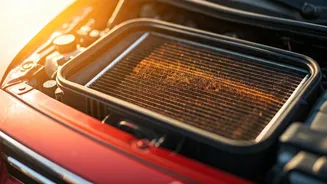
Maintaining a clean air filter is paramount for optimal CNG car performance and fuel efficiency. A clogged filter restricts airflow, forcing the engine
to work harder and leading to increased fuel consumption. Ensure your air filter is free from dirt and debris to allow for proper air intake. This is essential for the engine's air-fuel mixture, enabling efficient combustion. Neglecting this component can put undue stress on the powertrain. It's advisable to have a professional inspect the filter regularly and replace it approximately every 5,000 kilometers to guarantee your CNG vehicle operates at its best and delivers superior mileage.
Examine Clutch Health
The car's clutch plays a vital role in transmitting engine power to the wheels. A worn-out clutch significantly hampers a vehicle's mileage by failing to effectively channel the engine's power. This inefficiency results in wasted fuel and reduced overall performance. To maintain optimal mileage, it's crucial to ensure your clutch is in good condition. Using high-quality transmission fluid can smoothen gearbox operations and protect the clutch system. Regular checks of the transmission fluid and timely replacement of the transmission filter are also recommended. For this intricate maintenance, seeking assistance from a professional mechanic is highly advised to prevent fuel wastage and ensure efficient power delivery.
Quality Spark Plugs
CNG vehicles require robust spark plugs for ignition, as the ignition temperature for CNG is higher than that of petrol. Investing in high-quality spark plugs is essential to ensure the complete combustion of the CNG-air mixture, preventing any unburned fuel from escaping the combustion chamber. This complete combustion directly translates to better mileage for your CNG car. It is recommended to replace spark plugs every 20,000 kilometers with new ones that match the automaker's specified code and heating range. Professional examination of spark plugs during regular servicing is also a good practice to maintain optimal engine performance and fuel economy.
Maintain Tyre Pressure
The importance of correctly inflated tires for fuel efficiency cannot be overstated, as they are the sole point of contact between your vehicle and the road. Underinflated tires increase rolling resistance, forcing the engine to expend more energy and consequently consume more fuel. It is vital to frequently check and maintain the recommended tire pressure, especially considering seasonal variations due to heat and cold affecting air pressure. Ensuring your car's tires are always at the optimal pressure significantly contributes to better mileage and overall driving efficiency, making it a simple yet critical aspect of car maintenance.