








Oymyakon's Frozen Heart
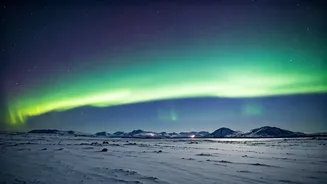
In the remote reaches of Russia lies Oymyakon, a village renowned as the world's coldest permanently inhabited settlement. Here, winter temperatures plunge
to an average of -50°C, creating a challenging yet enduring environment for its fewer than 1,000 residents. Life moves at a different pace, dictated by the relentless cold, yet a community persists, demonstrating incredible human tenacity in the face of extreme natural conditions. Simple acts of daily living, from heating homes to procuring necessities, are met with unique solutions born from generations of experience in this frozen landscape. The sheer willpower to maintain a semblance of normalcy amidst such a harsh climate is a testament to the human spirit's adaptability.
Norilsk's Icy Grip
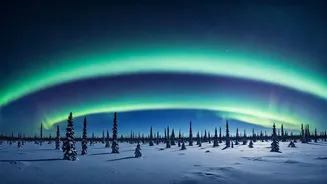
Norilsk, another Russian city, endures a prolonged winter that stretches for over six months, with temperatures frequently dropping to -40°F. Despite this severe climate, the city is home to a significant population of nearly 180,000 people. These residents have developed a robust infrastructure and community systems designed to cope with the extreme cold. Daily life in Norilsk involves a deep understanding of the environment and a reliance on established routines and specialized equipment to navigate the harsh conditions. The city's existence proves that human civilization can establish roots and thrive even in environments that would seem utterly inhospitable to most.
Yellowknife's Winter Spirit
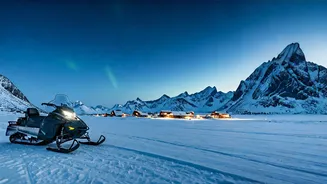
Canada's Yellowknife also faces brutal winter lows, with temperatures frequently dipping below -40°F. Yet, this northern city is a hub of activity, where life continues with remarkable normalcy. Crucially, modern infrastructure, including internet services, plays a vital role in keeping the community connected and functional. Residents have adapted their lifestyles to accommodate the cold, ensuring that essential services are maintained and social connections are strong. The ability to access information and maintain communication helps mitigate the isolation that such extreme cold can impose, allowing for a vibrant community life.
Utqiaġvik's Perpetual Twilight
Further north, Utqiaġvik, formerly known as Barrow in Alaska, experiences winter temperatures that average around -20°F. This region is particularly notable for its extended periods of darkness, where the sun remains below the horizon for days on end. Even with these challenging conditions of extreme cold and prolonged darkness, the local population continues their daily routines with a steadfast resolve. Their ability to maintain normalcy speaks volumes about their adaptation strategies and the strong sense of community that prevails, ensuring that life goes on uninterrupted by the elements.