
Global Energy Gateway
The Strait of Hormuz is widely regarded as a strategic chokepoint for global energy supplies. It functions as the crucial passageway connecting the Persian
Gulf with the Gulf of Oman and the Arabian Sea. This strait is strategically positioned between Iran and Oman, making it a critical point in the worldwide flow of crude oil and liquefied natural gas (LNG). Considering its critical position, the Strait of Hormuz is essential to maintaining global energy stability. Disruptions, whether due to political tensions, military actions, or natural events, could send shockwaves throughout the global economy. This is due to the reliance of numerous countries on the uninterrupted flow of energy resources through this passage. The Strait's importance extends beyond just the physical transport of energy. It is intertwined with complex geopolitical issues, trade relations, and international security concerns, underscoring its pivotal role in the world's energy landscape.
Oil & Gas Transport
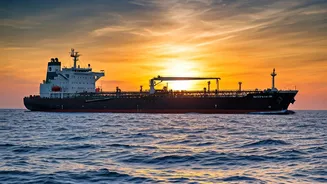
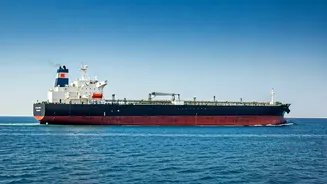
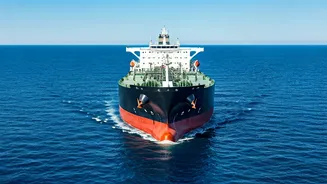
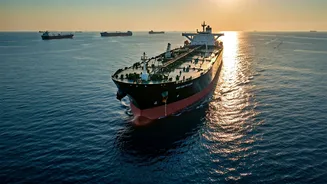
A significant volume of the world's oil and natural gas passes through the Strait of Hormuz, solidifying its status as one of the busiest and most crucial waterways for energy transport. This narrow channel facilitates the passage of approximately one-fifth of the world's total oil consumption, along with a sizable portion of global LNG exports. The strategic importance of the strait is highlighted by the large quantities of crude oil originating from major producers in the Middle East, including Saudi Arabia, Iran, the United Arab Emirates, Kuwait, and Iraq, which are shipped through this route to global markets. Tankers carrying millions of barrels of crude oil traverse this waterway every day, headed to Asia, Europe, and North America. The strait's vulnerability to geopolitical instability makes it a key focal point for international concerns. Any obstruction or closure could significantly impact global energy prices and supply chains, emphasizing the constant attention given to its security and stability.
Geopolitical Concerns
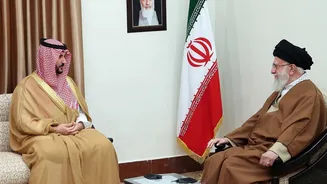
The Strait of Hormuz is a focal point for geopolitical concerns due to its location and the strategic interests of the countries surrounding it. The proximity of Iran and its tense relationship with various international actors contribute to potential instability. Military presence in the area from different countries is considerable, thus increasing the chance of incidents or conflicts. The potential for disruptions to oil and gas shipments creates a high-stakes environment where any escalation could have substantial global consequences. The waterway's significance makes it an area of continuous monitoring and diplomatic efforts. International powers strive to maintain freedom of navigation and secure the uninterrupted flow of energy resources through this crucial chokepoint. The interplay of political, economic, and military interests continuously shapes the strategic importance of the Strait of Hormuz.
Impact of Disruptions
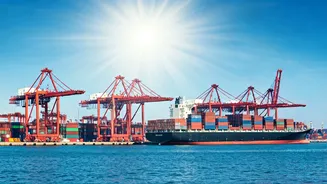
Any disruption in the Strait of Hormuz has the potential to trigger significant repercussions across the globe. Closure of the Strait, whether caused by military action, political instability, or natural disasters, can lead to a surge in energy prices due to reduced supply. This can have a ripple effect on the world economy, influencing inflation and impacting various industries that rely on energy. Additionally, disruptions could force oil tankers to reroute, adding travel time and increasing costs. This, in turn, may result in logistical challenges and delays. The potential for such events underscores the necessity of continuous efforts to secure the Strait and ensure the steady flow of energy resources. International bodies and governments actively strategize and collaborate on measures to mitigate any potential crises, safeguarding the global energy market and economy.