
Shirt Types Explored
Casual shirts come in diverse styles that can drastically change your look. Consider the classic Oxford shirt, renowned for its versatility and typically
crafted from durable cotton. This type can be easily dressed up with chinos or dressed down with jeans. Then, there's the flannel shirt, synonymous with comfort and often associated with a relaxed vibe. Flannel shirts, known for their soft texture, are ideal for cooler weather and are frequently worn open over a t-shirt. Moreover, there are linen shirts, which are exceptionally breathable and best suited for warmer climates. Linen shirts drape well and offer a sophisticated yet casual appearance. Finally, there's the classic checked shirt. These shirts often feature various patterns, offering a range of aesthetics from subtle to bold, and can add a touch of personality to your outfits. Each type presents unique features, allowing you to choose one based on personal preference and the look you want to achieve.
Key Fabric Considerations
The fabric of a casual shirt significantly influences its comfort, drape, and overall appearance. Cotton remains a go-to choice due to its breathability and ease of care. The quality of cotton varies, with options like Egyptian or Pima cotton providing a softer feel. Then, there's linen, a natural fiber that is exceptionally lightweight and breathable, making it a great option for warm weather. Linen shirts are also known for their relaxed aesthetic and are a great choice when going for a casual look. Furthermore, there's the often overlooked polyester, which is known for its durability and wrinkle resistance. However, it may not be as breathable as cotton or linen. Blends, such as a mix of cotton and polyester, can offer the best of both worlds, balancing comfort, durability, and ease of care. Consider the climate, desired comfort level, and the occasions for which you'll wear the shirt. The right fabric enhances both the look and feel.
Perfecting Shirt Fit
Achieving the ideal fit is vital for both comfort and style. Start by focusing on the shoulder seams, as they should sit directly at the edge of your shoulders. If the seams hang over your shoulders, the shirt is too large. Next, consider the chest area, which should have enough room to move without pulling or restricting movement. The shirt should not be tight, but it should also not be excessively baggy. Additionally, pay attention to the sleeve length, which should reach the base of your thumb when your arms are relaxed. Sleeves that are too long will look sloppy, while sleeves that are too short can restrict movement. Furthermore, the shirt's length should allow you to comfortably tuck it in or wear it untucked, depending on the look you want. Consider your body type and overall style to determine the most flattering fit. A well-fitting shirt is key to a polished appearance.
Styling Casual Shirts
Styling casual shirts involves understanding how to mix and match different elements to suit the occasion. An Oxford shirt paired with chinos offers a classic, smart-casual aesthetic, suitable for various settings. Try rolling up the sleeves for a more relaxed look. For a more laid-back vibe, opt for a flannel shirt combined with jeans and perhaps a simple t-shirt underneath. The versatility of the shirt allows for experimentation with layering and accessories, such as a denim jacket or a watch. Additionally, linen shirts look excellent with light-colored shorts or trousers. These shirts are perfect for a summer look and can be styled with boat shoes or sandals for an easygoing feel. Moreover, when tucking in your shirt, consider the formality of the situation. Tucking it in creates a more polished appearance, while leaving it untucked is more casual. Experiment to see what suits your style best.
Colors and Patterns
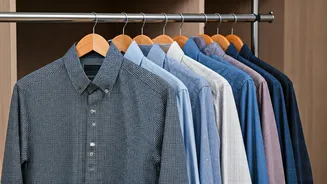
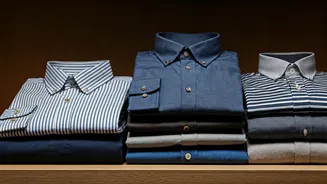
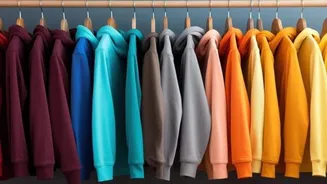
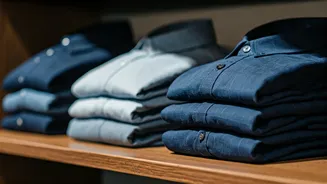
The colors and patterns on your casual shirts allow you to express your personal style. Solid-colored shirts, such as blue, white, or grey, are versatile basics that pair well with various outfits. These are great starting points for any wardrobe and can be dressed up or down. Checked and striped patterns are classic choices that add visual interest to your look. Choose patterns that complement your body type and personal style. For example, vertical stripes can create a slimming effect, while larger checks might be better suited for more casual occasions. Moreover, consider the season and the overall tone you are aiming for. Lighter colors and patterns are ideal for spring and summer, while darker hues and thicker patterns, such as flannel, are best for autumn and winter. The selection of colors and patterns is essential when creating a cohesive wardrobe.