






Engine & Cooling System Health
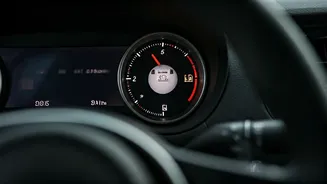
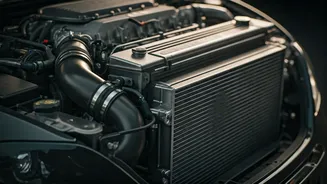
As temperatures climb, your vehicle's engine and cooling system become paramount for preventing breakdowns. Technicians will meticulously examine the engine's
internal condition, checking for any signs of wear or potential issues that could be exacerbated by heat. This includes a thorough inspection of the radiator, coolant levels, hoses, and the water pump to ensure they are functioning optimally. Adequate coolant circulation is vital to dissipate the heat generated during combustion, preventing overheating which can lead to severe engine damage. Furthermore, the condition of the drive belts that power these components will be assessed for cracks or wear, ensuring reliable operation throughout the summer driving season. A well-maintained cooling system is the first line of defense against the rigors of summer travel, keeping your engine within its safe operating temperature range.
Battery and Electrical Integrity
Extreme heat can significantly impact a vehicle's battery performance, often leading to premature failure. During pre-summer checks, the battery's charge, terminal connections, and overall health are rigorously assessed. Technicians will test the battery's capacity to hold a charge and its ability to deliver power reliably, especially under the strain of increased air conditioning usage. Corrosion on battery terminals will be cleaned to ensure a strong electrical connection. Beyond the battery, other critical electrical components are inspected to guarantee seamless operation. This includes checking the alternator's output to ensure it's effectively recharging the battery and inspecting wiring for any signs of damage or wear that could cause electrical malfunctions during hot weather, thus ensuring all essential electrical systems function as intended.
Braking System Vigilance
The braking system is a critical safety feature that demands attention, especially with increased driving during summer holidays. Pre-summer inspections involve a comprehensive evaluation of your vehicle's brakes. This includes checking the brake pads and rotors for wear, ensuring they can effectively stop the vehicle. The brake fluid level and condition are also examined; moisture contamination in brake fluid can lower its boiling point, leading to a spongy pedal or reduced braking efficiency under heavy use. Technicians will also inspect brake lines and hoses for leaks or damage. Ensuring your braking system is in top-notch condition provides peace of mind and enhances safety for all occupants, regardless of the challenging weather conditions encountered on the road.
Tire and Fluid Management
Proper tire maintenance and fluid levels are indispensable for a safe and comfortable summer driving experience. A thorough inspection of your tires includes checking tread depth for adequate grip and assessing tire pressure, which fluctuates with temperature changes. Over or under-inflated tires can lead to uneven wear, reduced fuel efficiency, and compromised handling. Furthermore, essential fluid levels, beyond just coolant and brake fluid, are checked. This encompasses engine oil, power steering fluid, and windshield washer fluid. Ensuring these are at the correct levels and in good condition is crucial for the smooth operation of various vehicle systems and for maintaining visibility during dusty or hot conditions, contributing significantly to overall vehicle reliability.