
Solar Maximum Explained
The sun goes through cycles, lasting about 11 years, known as the solar cycle. During the most active phase, known as solar maximum, the sun's magnetic
field becomes more complex, resulting in increased sunspots, solar flares, and coronal mass ejections (CMEs). These CMEs, which are massive bursts of plasma and magnetic field, travel through space and can interact with the Earth's magnetic field. This interaction is the primary driver of auroras, including the Northern Lights. As the frequency and intensity of these solar events increase during solar maximum, so does the likelihood of observing auroras.
Enhanced Aurora Displays
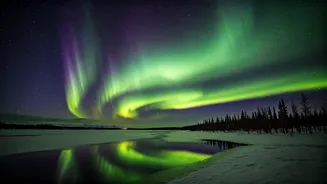
The increased solar activity during solar maximum in 2026 means that the Earth's atmosphere is likely to experience more powerful interactions with the solar wind. These interactions trigger the aurora borealis, resulting in more frequent and intense displays. The auroras might become visible at lower latitudes than usual, potentially offering a stunning spectacle to a larger audience. The color and patterns of the auroras vary, but with higher solar activity, the displays become brighter and have a wider range of colors, giving observers a treat.
Post-Solar Maximum Storms
While the peak of solar maximum might occur in 2024 or 2025, the impact continues into 2026. The years following the peak often present opportunities for spectacular aurora displays. This is because the magnetic field around the Sun needs time to reorganize and shed its excess energy. It means that there could be continued periods of intense solar activity that produce strong geomagnetic storms, resulting in more frequent and dazzling aurora displays. Therefore, 2026 is set to be one of the best years to witness the Northern Lights.
Where to Observe?
For the best viewing experience, travel to locations with minimal light pollution and a clear view of the northern horizon. The higher the latitude, the better the chances of seeing the aurora. Popular viewing locations include Northern Canada, Alaska, Iceland, Norway, Sweden, and Finland. To enhance your chances, check aurora forecasts, as these provide information about predicted geomagnetic activity, helping in planning your trip. The optimal time to observe is generally during the local nighttime hours when the sky is darkest.
Tips for Viewing
If you are planning to view the Northern Lights, a few tips can enhance your experience. First, make sure you dress warmly in layers, as you will likely be spending time outside in cold weather. Bring a camera to capture the magic; a DSLR or mirrorless camera is ideal because you can adjust the settings for low-light photography. Use a tripod to ensure stable shots. Patience is important! Auroras can be unpredictable, and viewing can take time. Download aurora-viewing apps to get alerts about the right timing and intensity of activity.