






Market Overview: 2025
The Indian automotive market is a dynamic and rapidly evolving landscape, with a multitude of manufacturers vying for consumer attention. The year 2025
is anticipated to be a pivotal year, marking shifts in consumer preferences, technological advancements, and economic factors influencing sales. To understand the future, it is essential to consider the present. Several factors will influence the sales performance of carmakers in 2025, including the rising disposable incomes, evolving customer preferences towards SUVs and electric vehicles, government regulations, and the overall economic growth of the country. This analysis considers these elements to forecast the potential leaders in the Indian automotive sector.
Key Market Players
Several car manufacturers have a strong presence in the Indian market, each with its unique strengths and strategies. Maruti Suzuki, known for its extensive network and fuel-efficient vehicles, is likely to maintain a dominant position. Hyundai and Tata Motors, with their diverse portfolios and growing market shares, are expected to remain significant competitors. Other companies such as Mahindra, Kia, and Honda have been experiencing considerable growth due to consumer preferences for their products. Furthermore, Volkswagen and other global brands are making considerable investments to expand their Indian operations. These players are continually adapting to market trends and introducing new models to meet consumer demands, which is why they are positioned to shape the automotive landscape in 2025.
Sales Performance Drivers
Several factors contribute to a carmaker's sales performance in the Indian market. Product offerings that align with evolving customer needs are essential. SUVs, compact SUVs, and electric vehicles are gaining traction as consumers seek versatility, fuel efficiency, and eco-friendly options. The extent of a carmaker's distribution network also greatly impacts sales. Having a wide network enables better market coverage and easier accessibility for customers. Marketing strategies play a crucial role as well, with effective promotional campaigns and brand building initiatives affecting consumer perception and purchasing decisions. Government regulations, such as emission norms and safety standards, directly affect the development of new products. Economic conditions like the growth of the GDP and consumer spending patterns significantly influence the automotive sales numbers.
Technological Advancements
Technological advancements are driving the evolution of the Indian automotive sector. Electric vehicles (EVs) are becoming increasingly popular, as manufacturers introduce new models and infrastructure development progresses. Battery technology, driving range, and charging infrastructure are the key areas of focus. Connected car technology offers features like navigation, entertainment, and safety systems, enhancing the driving experience. Automated driving features, while still in their early stages, are gaining attention. These technologies are poised to reshape the automotive market, making cars more efficient, convenient, and safe. Carmakers are investing heavily in research and development to integrate these technologies into their offerings to meet the dynamic preferences of the consumers.
Market Share Predictions
Predicting market shares involves analyzing current trends, anticipating future developments, and understanding the competitive environment. Maruti Suzuki is likely to retain a significant portion of the market due to its brand recognition and customer base. Other companies, such as Hyundai and Tata Motors, are expected to grow. The exact market shares will be determined by the ability of each carmaker to adapt and innovate. The increasing presence of EVs may lead to more fluctuations in market share, as new players enter the sector, and existing ones alter their product strategies. The overall economic conditions and any policy changes will also play a key role in shaping the market share distribution.
Electric Vehicle Impact
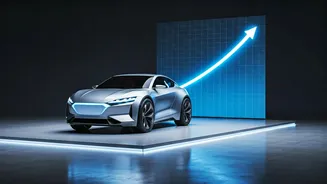
The growing popularity of electric vehicles (EVs) is transforming the Indian automotive sector. EVs are gaining acceptance due to environmental considerations, government incentives, and decreasing prices. The impact of EVs extends beyond sales figures, influencing the need for charging infrastructure, battery technology development, and related services. Carmakers investing in EV technology will be well-positioned to gain market share. This shift towards electrification represents a significant change, influencing the business models of car manufacturers and the expectations of consumers. The success of EVs will also depend on addressing concerns about driving range, charging convenience, and the overall cost of ownership.
Challenges & Opportunities
The Indian automotive market presents both challenges and opportunities for carmakers. Challenges include intense competition, fluctuating raw material costs, and evolving customer preferences. Meeting stricter emissions standards and ensuring vehicle safety are significant regulatory burdens. Opportunities arise from the large market size, the growing middle class, and the demand for new vehicles. Government initiatives to promote electric vehicles and infrastructure development are positive trends. Carmakers that can adapt to changing market conditions, innovate with new technologies, and offer competitive products will have a higher chance of succeeding. The evolving market environment will require flexibility, strategic investments, and customer-centric approaches.
Factors Affecting Rankings
Several factors can influence the rankings of the top 10 carmakers in India for 2025. Sales volume is a primary indicator, considering the number of vehicles sold annually. The market share provides insight into each brand's presence relative to its competitors. Product innovation plays a key role, as companies launching new and updated models can attract more customers. Brand reputation and customer satisfaction also influence sales, with a positive brand image helping to boost the demand. Manufacturing capabilities and supply chain efficiency are crucial as well. The carmakers need to ensure they can deliver products on time. Finally, strategic partnerships and alliances can contribute to market access and expansion.
Future Market Trends
Several trends are expected to shape the Indian automotive market beyond 2025. Electric vehicles will continue to gain traction. The growth in SUVs and compact SUVs will continue, driven by changing consumer preferences. The rise of connected car technology and automation will continue to enhance the driving experience. Government policies, such as those promoting EVs and infrastructure development, will have a major impact. The trend of digitalization and online sales platforms will continue to gain importance. Sustainability and environmental concerns will influence the demand for greener vehicles. The focus on safety features and improved vehicle performance will also be key drivers in the automotive industry.
Conclusion: Automotive Outlook
The Indian automotive market is poised for significant growth and transformation. The projected top 10 carmakers in 2025 will be those that have adopted customer-centric approaches and can respond to the dynamic industry trends. The rise of electric vehicles, technological advancements, and changing consumer preferences will shape the sector. Understanding these trends and adapting to them will be essential for success. As the market develops, carmakers need to adopt innovative strategies, focus on sustainability, and embrace technology to drive future growth. The Indian automotive industry offers many opportunities, but it also necessitates adapting to the new market dynamics.