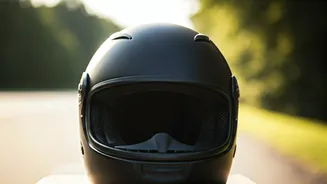








Helmet Comfort Matters
The initial step towards comfort is practicing wearing your helmet at home. Get accustomed to the feeling of wearing it in a familiar and relaxed environment
before heading out. This simple exercise can significantly reduce anxiety. It is essential to ensure a proper fit; a helmet that's too tight can exacerbate feelings of confinement. Moreover, breathing exercises and opting for open-face or flip-up helmets are effective strategies for enhanced comfort.
Practice At Home
Begin by wearing your helmet at home for short periods. This helps you get used to the sensation and minimizes any initial anxiety. Start with just a few minutes and gradually increase the duration. Simulate riding conditions by moving your head and looking around. This builds familiarity with the helmet's weight and field of vision in a controlled setting. The more you wear the helmet at home, the less claustrophobic you'll feel when riding, as your mind will start associating it with comfort and familiarity.
Find The Perfect Fit
Selecting the right helmet size is crucial for both comfort and safety. A poorly fitted helmet can cause discomfort and intensify feelings of claustrophobia. A helmet should fit snugly, without being overly tight. It shouldn’t move excessively when you shake your head. Measure your head circumference to determine your size accurately. Try on several helmets, and wear each one for a few minutes to evaluate the fit. If possible, seek professional assistance from a store representative to ensure you get the best fit. A well-fitting helmet will provide protection without causing undue stress.
Master Breathing Techniques
Breathing exercises are invaluable in managing anxiety while wearing a helmet. Deep, controlled breaths can calm your nervous system and combat claustrophobic feelings. Practice techniques like diaphragmatic breathing (belly breathing) to increase oxygen intake and promote relaxation. Focus on slow, deliberate inhales and exhales. Before riding, spend a few minutes practicing these exercises. When you feel anxious while riding, remind yourself to breathe deeply. This simple act can help regulate your heart rate and reduce feelings of panic. Regular practice makes these techniques easier to implement when you need them most.
Choose Helmet Styles Wisely
Consider opting for helmet styles that naturally offer more ventilation and a less enclosed feel. Open-face and flip-up helmets provide greater air circulation and a wider field of vision. These helmets typically reduce the sense of confinement. While full-face helmets offer the highest protection, they can sometimes trigger claustrophobia. If this is a concern, explore modular (flip-up) helmets, which allow you to raise the chin bar for more airflow and a less restrictive feel. Ultimately, the best choice depends on your personal preferences and riding conditions. Prioritize comfort without compromising safety.