






Viral Videos Unveiled
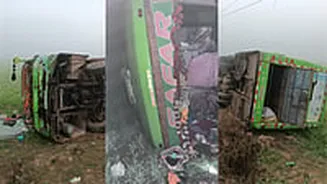
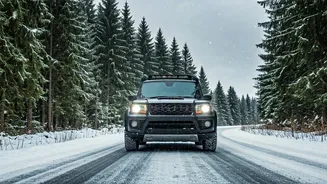
Several viral videos recently surfaced, capturing moments of difficulty faced by drivers of SUVs such as the Scorpio N and Fortuner while navigating snowy
conditions. These clips depicted vehicles struggling for traction, spinning out of control, or becoming stuck, providing a clear illustration of the hazards involved in winter driving. The videos primarily emphasized the lack of preparedness and the importance of adapting driving techniques to suit the road conditions. The footage highlighted the crucial role of driver skill and the need for appropriate vehicle management to avoid similar situations. These incidents served as a virtual classroom, offering real-world examples of how quickly control can be lost when encountering ice or snow, even in vehicles often considered capable on various terrains. The widespread dissemination of these videos underscored the shared experiences of drivers and highlighted the significance of safe driving practices during the winter season.
Preparation: Key to Safety
The core message that emerged from the viral video incidents was the paramount importance of thorough preparation before venturing out on snow-covered roads. The videos showcased that even seemingly robust SUVs could struggle significantly without adequate preparation. This preparation involves a comprehensive understanding of the vehicle's capabilities in such conditions and the necessary modifications to cope with winter's challenges. Essential components of this preparation include ensuring the vehicle is equipped with appropriate tires designed for snow and ice. These specialized tires provide enhanced grip and control, significantly improving safety. Furthermore, drivers must take the time to practice and refine their driving skills in a controlled environment, familiarizing themselves with how the vehicle behaves on slick surfaces. Emergency preparedness is equally crucial; drivers should carry a winter survival kit containing items like blankets, a first-aid kit, a flashlight, and other essentials to deal with unforeseen delays or emergencies. A proactive approach to vehicle maintenance is also vital, encompassing checks of the battery, fluids, and overall vehicle condition to prevent breakdowns. This holistic approach ensures drivers are adequately prepared for the unpredictable nature of winter driving.
Driving Techniques Examined
The viral video clips also provided practical lessons concerning driving techniques essential for navigating snowy terrains. The footage demonstrated how quickly a vehicle can lose control if driven carelessly or without proper awareness. Key among these techniques is the need to adjust speed and maintain a safe following distance. Reducing speed is crucial because it gives the driver more time to react to unexpected hazards, while increasing the distance between vehicles adds an extra margin of safety. Gentle and controlled steering, braking, and acceleration are also crucial when managing a vehicle in slippery conditions, preventing sudden movements that could lead to loss of control. Furthermore, drivers should avoid aggressive maneuvers, such as sharp turns or abrupt braking, which are more likely to cause skidding. Understanding how anti-lock braking systems (ABS) and electronic stability control (ESC) work is also critical. These technologies can help maintain control, but drivers still need to manage their speed and steering input appropriately. The videos served as a visual guide, illustrating the contrast between controlled, thoughtful driving and high-risk maneuvers that can lead to hazardous situations.
Vehicle Management Matters
Vehicle management is another critical aspect highlighted by the viral videos, particularly when driving in snowy or icy conditions. It's not just about how you drive, but also how you manage your vehicle’s capabilities and limitations. Proper tire selection is the foundation of vehicle management for winter driving. Using tires designed specifically for snow and ice is essential for maximizing grip and control. Regular tire pressure checks are also important because correct tire pressure ensures optimal performance on slippery surfaces. Understanding the vehicle's drive system (e.g., front-wheel drive, rear-wheel drive, or all-wheel drive) is crucial. Knowing how each system works and how it affects the vehicle's handling can help the driver manage the vehicle more effectively. For example, some all-wheel-drive systems offer added stability and traction, but even these systems can be overwhelmed if the driver is not careful. Weight distribution plays a significant role in vehicle handling on snow and ice; adding weight to the rear of the vehicle, particularly in rear-wheel-drive vehicles, can improve traction. Finally, it's essential to ensure that all vehicle systems, such as lights, wipers, and defrosters, are functioning correctly to improve visibility and overall safety.
Learn from Mistakes
The widespread circulation of these viral videos offers a valuable learning opportunity for all drivers. These clips serve as a visual lesson in the potential consequences of inadequate preparation and driving skills during winter. Observing real-world incidents can highlight the mistakes made by others, providing insight into the type of problems to avoid. They serve as a stark reminder of how quickly conditions can change on winter roads and the need for vigilance. The videos encourage drivers to assess their own driving practices and identify areas where they can improve. Reviewing the footage and discussing these incidents with experienced drivers is a good way to reinforce safe driving habits and increase awareness of the potential hazards. It is also an invitation for drivers to explore resources that offer advice on winter driving techniques and vehicle preparation. This collective learning process ultimately contributes to safer roads for everyone. The incidents are a powerful tool to foster a culture of responsible driving and promote a proactive approach to safety during the winter season.