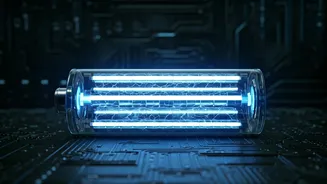







Lithium's Potential Examined
Lithium-ion batteries have become ubiquitous, powering everything from smartphones to electric vehicles. However, these batteries face safety issues due
to the volatility of lithium, leading to the risk of explosions. The core of this research is to stabilize lithium. The researchers are exploring a novel method for this, specifically focusing on harnessing the power of magnetic control to manage lithium's behavior. This approach aims to create batteries that are not only more powerful but also significantly safer, eliminating the risk of thermal runaway and related hazards. This concept is a shift towards a more reliable energy storage solution.
Magnetic Control Explained
The innovative technique being developed involves the use of magnetic fields to manipulate and control lithium within the battery. The researchers are utilizing magnetic forces to precisely direct and manage the movement of lithium ions, thereby improving the battery's stability and effectiveness. The ability to finely tune these magnetic fields will allow for better control of the lithium's interactions with other battery components, reducing the likelihood of uncontrolled reactions. This type of control is critical to preventing the buildup of heat and pressure that can cause explosions in conventional lithium-ion batteries. The new technology could provide the benefits of high capacity and safety.
Enhanced Safety Features
The new battery design's safety features are a key advantage over existing technologies. Conventional lithium-ion batteries rely on liquid electrolytes, which are prone to leakage and flammability. This new concept could do away with the use of such potentially dangerous materials. The magnetic control offers a more robust solution, minimizing the risk of internal short circuits and thermal runaway. These features are intended to make the battery significantly more resilient to damage and external factors. The aim is to create a safer energy storage solution that can be utilized in various applications, offering peace of mind to users and reducing the potential for accidents.
High Capacity Advantage
The magnetic control method also promises the potential for increased energy density, meaning the batteries could store more power in the same volume. Lithium is a lightweight element with high energy density, making it an excellent choice for batteries. But its volatile nature has limited the extent to which battery designers can fully use lithium's potential. By providing better control, the magnetic method could allow for the use of more lithium in a battery, leading to improved performance. This would translate into longer run times for devices and greater ranges for electric vehicles. This innovative design allows engineers to maximize the benefits of lithium.
Future Applications Explored
The development of this new battery technology has far-reaching implications across multiple sectors. From consumer electronics and electric vehicles to grid-scale energy storage, the applications are wide-ranging. The new batteries could be smaller, lighter, and safer, making them ideal for portable devices. Electric vehicles could benefit from longer ranges and reduced charging times. Renewable energy systems could store excess energy efficiently, helping to create a more sustainable future. This new approach holds the potential to transform how we power the modern world, offering a safer and more effective way to store energy.