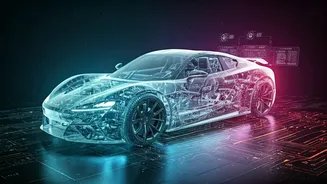







Pioneering SDV Advancements
A significant alliance has been forged between Nio, a leading Chinese manufacturer of battery-electric vehicles, and Bosch, a globally recognized automotive
component supplier. Their joint effort is geared towards pioneering technologies essential for the next wave of software-defined vehicles (SDVs). This collaboration zeroes in on the development of sophisticated battery management systems (BMS), advanced drive-by-wire chassis solutions, and highly accurate sensing modules. The overarching aim is to elevate the performance, bolster the safety, and enhance the overall efficiency of electric vehicles, especially in the fast-paced and constantly evolving electric mobility sector. This initiative arrives at a critical juncture for the automotive industry, where the paradigm of SDVs is fundamentally reshaping traditional vehicle designs by centralizing control through software rather than relying solely on hardware components. The development of advanced BMS is at the heart of this transformation, crucial for optimizing energy consumption, extending the lifespan of batteries, and ensuring consistent thermal regulation across diverse operational conditions. Bosch's extensive experience in power electronics and sensor integration is expected to synergize effectively with Nio's agile approach to EV platform development, potentially establishing new benchmarks for driving range, charging speed, and overall reliability in the EV market.
Innovating Drive-by-Wire
Drive-by-wire systems represent another pivotal area of focus within this strategic alliance. These systems are designed to substitute traditional mechanical linkages with electronic controls for critical functions such as steering, braking, and acceleration. This technological shift is anticipated to unlock more precise handling capabilities, contribute to weight reduction in vehicles, and facilitate smoother integration with emerging autonomous driving functionalities. For automotive original equipment manufacturers (OEMs) and their suppliers, embracing this approach means the creation of scalable vehicle platforms that can be readily updated remotely, much like smartphone applications. This over-the-air (OTA) update capability is poised to significantly decrease manufacturing expenses and shorten the time it takes to bring new vehicle models to market. The integration of advanced sensing modules, encompassing technologies like LiDAR, radar, and cameras, will be further propelled by Bosch's established expertise in advanced driver-assistance systems (ADAS). This will equip Nio vehicles with superior capabilities for perceiving and interpreting their surrounding environment, which is particularly crucial for achieving higher levels of autonomy, such as Level 3 and beyond, where the seamless fusion of real-time data is absolutely essential. Industry analysts highlight that collaborations of this nature serve to mitigate potential supply chain disruptions stemming from semiconductor shortages and ongoing geopolitical uncertainties, thereby ensuring a more stable and reliable sourcing of critical components.
B2B Synergies Unveiled
From a business-to-business (B2B) standpoint, this collaboration underscores the escalating significance of cross-border partnerships within the electric and hybrid vehicle technology segments. For component suppliers like Bosch, this alliance provides a pathway to deeper integration with the strategic objectives of Chinese automotive manufacturers. Simultaneously, Nio gains access to world-class engineering capabilities, strengthening its position to compete effectively on a global scale. Furthermore, the agreement aligns harmoniously with regulatory directives aimed at promoting safer and more environmentally friendly mobility solutions, including the European Union's battery passport regulations and China's mandates for new energy vehicles (NEVs). Looking ahead, the technologies emerging from this partnership could exert a considerable influence on production methodologies worldwide, paving the way for modular manufacturing lines that are adaptable to the evolving architectures of software-defined vehicles. Research and development teams at other automotive suppliers are encouraged to monitor these developments closely for benchmarking purposes, as they might inspire similar initiatives in areas such as powertrain systems and connected vehicle technologies. Recent executive appointments within Bosch's mobility division further signal a reinforced strategic focus on the Asia-Pacific region, a market experiencing rapid acceleration in EV adoption.
Supply Chain and Sustainability
The implications for the automotive supply chain are substantial. Localizing the production of essential components like BMS and sensors could lead to significant cost reductions in logistics, potentially ranging from 20% to 30%. Additionally, the use of digital twins for virtual testing and validation is expected to shorten development cycles considerably. Partnerships of this kind are a clear illustration of digital transformation in action, where information technology solutions are leveraged for predictive maintenance and efficient fleet management. Opportunities are also emerging for providers of automotive materials, particularly in the realm of advanced semiconductors and lightweight composite materials specifically designed for drive-by-wire systems. In the domain of testing and diagnostics, this collaboration promises to establish new standards for monitoring the health of BMS, incorporating AI-driven analytics to preempt potential failures before they occur. This B2B synergy not only enhances the competitive advantage of the involved parties but also contributes to sustainability goals through more efficient resource utilization. As software-defined vehicles become increasingly prevalent, the ripple effects are expected to transform vehicle design, engineering practices, and safety regulations, positioning Bosch and Nio at the forefront of these industry shifts.