



Smooth Driving Saves
Embracing a more fluid driving style is one of the most direct methods to enhance your vehicle's fuel efficiency. Abrupt acceleration, hard braking, and
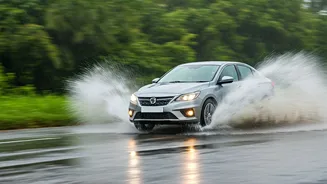
jerky steering movements compel the engine to expend more fuel than necessary. Conversely, by practicing gentle acceleration, anticipating traffic flow to minimize unnecessary stops, and maintaining a consistent pace, your engine can operate at its optimal efficiency. This refined approach not only leads to better fuel economy over time but also contributes to reducing the wear and tear on various vehicle components, prolonging their lifespan and potentially lowering maintenance costs in the long run. The overall driving experience becomes more comfortable and less taxing on both the driver and the machine.
Consistent Speed Matters
Fluctuations in your vehicle's speed have a notable impact on its fuel consumption. Each time you accelerate to regain speed, the engine demands a greater quantity of fuel to build momentum. On open roads or highways where conditions permit, maintaining a steady, consistent speed is key to optimizing fuel usage. Even within urban environments, making a conscious effort to avoid drastic speed variations by observing traffic patterns and anticipating changes ahead can yield significant improvements in your car's overall efficiency. This habit reduces the constant demand on the engine to adjust its power output, leading to more economical operation and a smoother ride.
Minimize Idling Time
Allowing your engine to idle unnecessarily, especially in stop-and-go city traffic, results in a steady drain on your fuel reserves without any accompanying travel. Prolonged periods with the engine running while stationary—such as waiting at lengthy traffic lights, outside shops, or during brief parking stops—burn fuel fruitlessly. Adopting the simple habit of switching off the engine during any extended waiting period can translate into substantial fuel savings over time. This is particularly beneficial for individuals who undertake regular commutes or find themselves frequently stopped in traffic congestion, making a tangible difference in their fuel expenditure.
Vehicle Maintenance is Key
A vehicle that is consistently and properly maintained will inherently perform with greater fuel efficiency. Several factors, including incorrect tire inflation, clogged air filters, and degraded engine oil, can significantly diminish your car's mileage. For instance, under-inflated tires increase the rolling resistance on the road, forcing the engine to exert more effort to move the vehicle forward. Regular servicing, adhering to recommended oil change intervals, and ensuring that all critical engine and vehicle components are in optimal working order are vital for maintaining peak fuel efficiency and enhancing overall driving performance.
Reduce Load, Plan Ahead
Carrying superfluous weight within your vehicle places an additional burden on the engine, consequently increasing fuel consumption. Items that are routinely left in the boot, unused accessories, or even roof-mounted carriers can all negatively affect your car's efficiency. Furthermore, intelligent trip planning—such as consolidating multiple errands into a single outing and strategically avoiding peak traffic hours—can significantly reduce the time spent idling in congested areas. This proactive approach to travel not only saves time but also contributes to better fuel economy by minimizing fuel wasted during traffic jams.