
Infrastructure Boost Planned
The 2026 budget allocated substantial resources towards infrastructure development, indicating a strong commitment to enhancing the country's physical
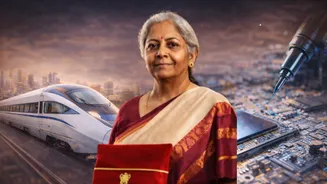
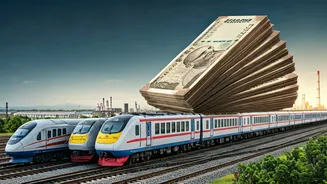
assets. Key announcements included the development of seven high-speed rail corridors, aiming to improve connectivity and reduce travel times across the nation. In addition to this, the budget proposed the launch of new dedicated freight corridors designed to streamline logistics and enhance the efficiency of goods transportation. Furthermore, the public capital expenditure was slated to increase, reaching an anticipated Rs 12.2 lakh crore, signaling an intent to stimulate economic activity by investing in large-scale projects and infrastructure upgrades. These measures reflect the government's strategy to bolster economic growth through strategic investments in vital infrastructure components, facilitating both domestic and international trade, which ultimately stimulates economic growth.
Taxation and Economic Measures
The budget included several tax-related measures aimed at providing relief and encouraging economic activity. A noteworthy proposal was the reduction of the Tax Collected at Source (TCS) rate on the sale of overseas tour programs, which would likely reduce the cost of international travel. Another key initiative focused on simplifying tax processes; the deadline for filing revised Income Tax Returns (ITR) was extended up to March 31, providing more flexibility for taxpayers. The budget also presented a scheme designed to support small taxpayers, potentially offering simpler tax compliance procedures. Regarding customs duties, exemptions were announced on the import of capital goods for nuclear power projects and certain capital goods, which should encourage investments. Additionally, duty-free imports were approved for processing seafood, promoting the seafood industry. These measures are designed to ease the tax burden and streamline economic activities.
Support for Businesses and MSMEs
The Union Budget 2026 placed considerable emphasis on supporting Micro, Small, and Medium Enterprises (MSMEs). A three-pronged approach was announced to aid MSMEs, which would likely include measures focused on financial assistance, technological upgrades, and market access. Furthermore, a special one-time measure for Special Economic Zones (SEZs) was introduced, potentially providing incentives and support to businesses operating within these zones. To foster innovation and development, the government proposed a scheme to enhance construction and infrastructure equipment. Additionally, the budget included measures to promote the growth of MSMEs by creating a favorable environment for their expansion and contribution to the economy. This targeted support aims to strengthen the MSME sector, which plays a pivotal role in creating jobs and fostering entrepreneurship across the country.
Technological and Industrial Focus
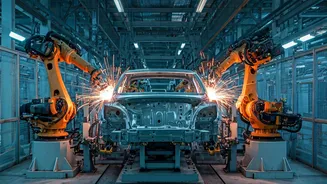
The budget demonstrated a clear focus on technological advancement and industrial growth. The government proposed the launch of India Semiconductor Mission 2.0, which indicates a strong push to promote the semiconductor industry, including design and manufacturing in India. There were measures to facilitate the establishment of Mega textile parks, which would aid the textile industry. The plan included introducing the ‘Bharat Vistar - Virtually Integrated System,’ signaling the government's ambition to create a connected and integrated system. Also, the budget proposed an outlay of Rs 20,000 crore for Carbon Capture Utilization and Storage technology. This demonstrated the government's emphasis on clean energy and environmental sustainability. This integrated approach highlights the government's commitment to improving the country's manufacturing capacity and promoting technological innovation.
Social and Sectoral Initiatives
Several social and sectoral initiatives were unveiled in the budget. The ‘Khelo India Mission’ was featured, which would likely encourage sports development and youth engagement. The budget highlighted the establishment of AVGC (Animation, Visual Effects, Gaming, and Comics) Content Creator Labs in 15,000 secondary schools. The education sector was to be improved with a high-powered ‘Education to Employment and Enterprise’ Standing Committee. Moreover, the budget included a coconut promotion scheme to increase production and proposed 'Bio Pharma Shakti' with an outlay of Rs 10,000 crore. Also, the government planned to set up three new All India Institutes of Ayurveda. These initiatives show a comprehensive approach to improve education, healthcare, and economic growth. The aim of these efforts is to create opportunities for the citizens.