



Pakistan's U-Turn
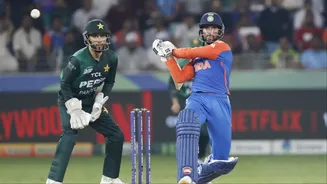
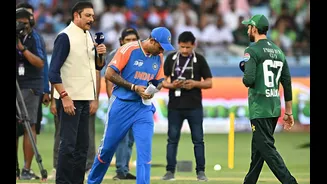
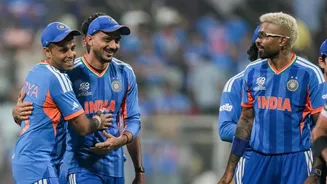
Pakistan's cricket authorities have apparently reversed their initial decision to abstain from the T20 World Cup match against India, scheduled for February
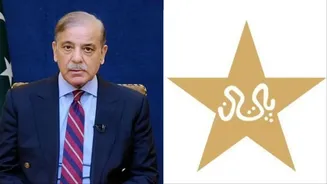
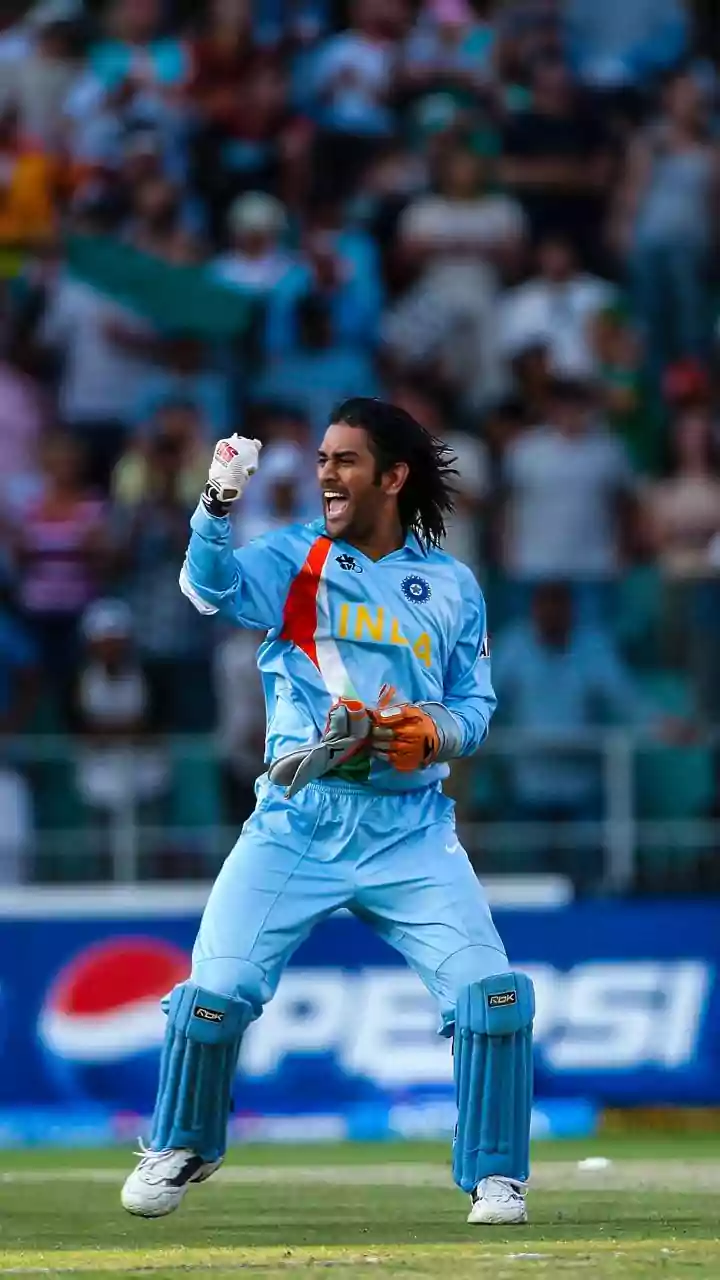
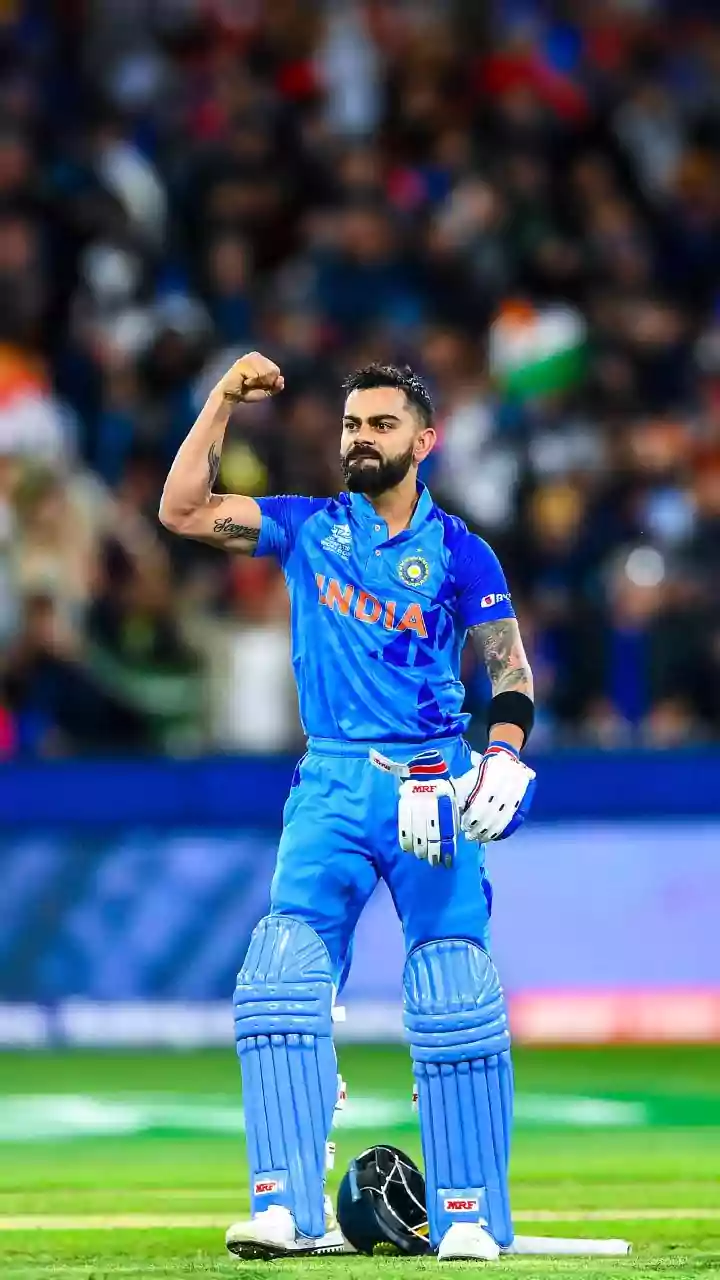
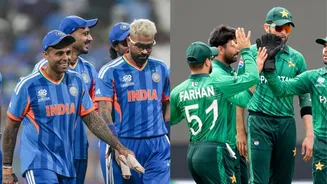
15. Sources indicate that the national team, often referred to as the 'men in green,' will now compete against their arch-rivals. This significant shift in position comes after extensive consultations involving Prime Minister Shehbaz Sharif and key stakeholders, including influential figures within the establishment. The pivotal match is slated to proceed as planned at the Premadasa Stadium in Colombo, a venue synonymous with intense cricket rivalries and memorable encounters between these two cricketing giants. The confirmation brings a wave of relief and excitement to fans eagerly awaiting this high-octane fixture.
International Influence
Several international entities played a role in influencing Pakistan's decision to participate in the crucial match against India. Reports suggest that special appeals were made by the President of Sri Lanka, Anura Kumara Dissanayake, along with the UAE Cricket Board and the Bangladesh Cricket Board (BCB). It is understood that Pakistan's Prime Minister is actively engaged in discussions with Mohsin Naqvi, likely regarding the finer details of these international requests. This multifaceted diplomatic effort highlights the significance of the India-Pakistan cricket rivalry on a global stage, with multiple cricket boards advocating for the match to take place as scheduled, underscoring its importance beyond just the two competing nations.
ICC Assurances
Top sources within Pakistan's Prime Minister's Office have confirmed that the Pakistan Cricket Board (PCB) has secured assurances from the International Cricket Council (ICC) regarding certain demands that were previously raised. Mohsin Naqvi had previously put forth several conditions, including the resumption of bilateral cricket ties between India and Pakistan and the organization of a tri-series involving Bangladesh. These demands were partly intended to compensate the BCB for financial losses anticipated from their potential early exit from the T20 World Cup. While the ICC acknowledged that influencing bilateral cricket is outside its direct remit, the proposal for a tri-series was reportedly not entertained. However, the ICC might be considering awarding the hosting rights of a future men's U19 World Cup to Bangladesh, indicating a potential avenue of appeasement.
Decision Timeline
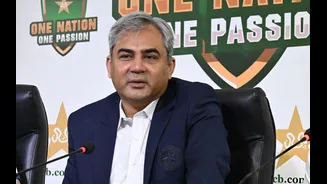
Earlier, Mohsin Naqvi had indicated that a definitive decision on whether Pakistan would boycott the February 15 T20 World Cup match against India in Colombo would be clarified within the subsequent 24 hours, pending ongoing dialogue with the ICC. He had also confirmed that discussions were underway with the Chief of the Bangladesh Cricket Board, Aminul Islam Bulbul, as the PCB awaited responses to several issues they had tabled. Naqvi was quoted by the PTI as stating, 'We have had discussions with them. It would not be right for me to make any comments right now. Once we get their response, we will decide. We will go back to the PM (Shehbaz Sharif) for advice once the ICC replies.' He further added that an announcement was expected 'tomorrow or the day after tomorrow.'
Respect and Negotiations
Mohsin Naqvi elaborated on the ongoing situation, emphasizing respect for guests and the consultative process. He stated, 'We respect our guests, and ICC came to our house, so we respected them.' He refrained from making definitive comments at that juncture, citing the ongoing negotiations between the ICC and Bangladesh. Naqvi acknowledged the validity of Bangladesh's stance, implying that Pakistan felt compelled to support them. The complexity of the situation stemmed from multiple intertwined issues, requiring careful deliberation and coordination among various cricket boards and governmental bodies to reach an amicable resolution that satisfied all parties involved.
Dismissing Sanctions
Addressing concerns about potential repercussions, Naqvi confidently dismissed fears of any sanctions being imposed on Pakistan. He asserted, 'You know we are not ones to be afraid of these threats at all. Everyone knows our Field Marshall (Asim Munir). We are not worried about any sanctions.' This statement reflects a strong sense of national resolve and confidence in their strategic position, indicating that Pakistan was prepared to face any potential challenges or pressures that might arise from their stance or decisions made during these sensitive negotiations. The mention of 'Field Marshall (Asim Munir)' suggests a level of backing and assurance derived from high-level strategic assurances.