





A Coastal Shield
While the Sundarbans often capture attention as the world's largest mangrove forest, India harbors another significant natural wonder: the Pichavaram Mangrove
Forest. Located in Tamil Nadu's Cuddalore district, this ecosystem stands as the second-largest mangrove expanse in India and plays a critical role in protecting the nation's southeastern coastline. Encompassing an impressive 1,100–1,478 hectares, Pichavaram is part of a larger wetland system nestled between the Vellar and Coleroon estuaries. Its intricate network features over 50 small islands, crisscrossed by thousands of narrow waterways and canals, creating a mesmerizing labyrinth of nature. This unique landscape offers a diverse appeal, whether one seeks a tranquil retreat, a family adventure, or an exploration of nature's wonders. The vibrant green of the mangroves, the stillness of the backwaters, and the proximity to the shoreline combine to form an environment of immense ecological importance and serene beauty, making it a destination that captivates all who visit.
Biodiversity Hotspot
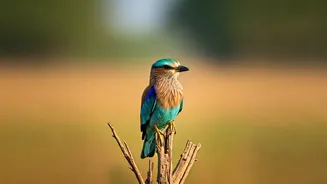
The Pichavaram Mangrove Forest is a haven for a remarkable array of avian life, attracting both resident and migratory bird species. Visitors often delight in spotting colorful kingfishers, stately herons, graceful egrets, and majestic pelicans that call this vibrant ecosystem home. The tranquil waters and dense mangrove foliage provide ideal conditions for these birds to thrive. Experiencing the forest through a boat ride, particularly during the early morning or late evening, offers an unparalleled opportunity to witness these creatures in their natural environment. This immersive experience is a dream come true for nature photographers seeking to capture stunning wildlife images and for families eager to connect with the natural world. The gentle rustling of leaves and the melodious symphony of bird calls create a serene ambiance, transporting visitors away from the hustle and bustle of everyday life into a world of natural harmony and ecological richness.
Blue Carbon Powerhouse
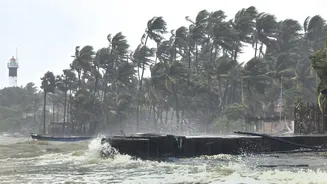
Beyond its aesthetic appeal and biodiversity, Pichavaram Mangrove Forest is a critical player in the fight against climate change, often referred to as a 'blue carbon' powerhouse. While tropical rainforests are frequently discussed in climate contexts, mangroves like Pichavaram demonstrate a superior capacity for carbon storage on a per-hectare basis, alongside their significant contributions to coastal defense and ecological resilience. These remarkable forests can sequester 2 to 5 times more carbon per hectare than tropical rainforests. The primary mechanism for this is the trapping of carbon within their oxygen-poor soils and complex root systems, where it remains stored for centuries. Pichavaram operates as a modest net carbon sink annually, exhibiting strong seasonal variations in its performance. The forest's soils and biomass are highly effective at capturing carbon, proving its substantial impact despite its comparatively smaller size when contrasted with extensive inland forests. This underscores the vital ecological services provided by mangrove ecosystems.