
Fuel Storage Systems
Fuel stations depend on robust fuel storage systems, mainly underground storage tanks (USTs). These tanks are commonly made of fiberglass or steel and
are designed to hold various fuel types, including gasoline and diesel. Regulations govern the construction, installation, and maintenance of these tanks to prevent leaks and environmental contamination. Sensors and monitoring systems constantly track fuel levels and identify potential issues. The fuel is usually delivered via tanker trucks, which offload into the USTs. Proper storage is crucial not only for safety but also for the quality of the fuel itself, which can degrade over time due to oxidation or contamination. Regular inspections, tank testing, and adherence to environmental standards ensure the integrity and longevity of the storage infrastructure. Additionally, vapor recovery systems are often implemented to capture emissions during fuel transfers, contributing to air quality and environmental protection. Effective fuel management also involves inventory control systems to monitor stock levels and minimize losses due to leakage or theft.
Dispensing Operations
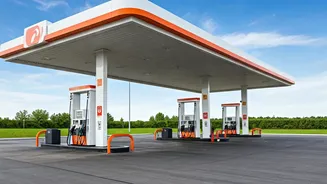
Fuel dispensing systems are the heart of a petrol station’s operations. These systems include fuel pumps, nozzles, and meters that accurately measure and deliver fuel to vehicles. Modern fuel pumps often feature digital displays showing the fuel price, volume, and total cost, enhancing the user experience. The pumps are connected to the USTs and draw fuel through pipes and filters to remove any impurities. Safety mechanisms, such as automatic shut-off nozzles and emergency stop buttons, are integrated to prevent spills and accidents. The pumps are calibrated regularly to ensure accurate fuel dispensing, as per legal requirements. Fuel station operators also utilize point-of-sale (POS) systems integrated with the fuel pumps to manage transactions, process payments, and track sales data. Some stations offer different grades of fuel to cater to varying vehicle requirements. Maintenance of dispensing equipment is vital; this includes regular checks for leaks, hose integrity, and nozzle functionality. In addition, the systems are regularly updated to meet evolving environmental standards, like vapor recovery.
Customer Service Aspects
Customer service is paramount at fuel stations, influencing customer satisfaction and repeat business. Staff training in customer interaction, safety procedures, and product knowledge helps ensure a positive experience. Cleanliness is a major factor, encompassing well-maintained restrooms, tidy forecourts, and organized store areas. Convenience stores often attached to petrol stations offer a wide range of products from snacks and beverages to automotive supplies and essential everyday items. Many fuel stations provide additional services, such as air compressors, car washes, and vacuum cleaners to enhance customer convenience. Loyalty programs and rewards schemes are frequently offered to encourage customer retention and provide added value. Effective lighting, clear signage, and accessible layouts improve the overall experience and accessibility for all customers. Furthermore, staff need to manage fuel transactions smoothly and efficiently, ensuring accuracy in payment processing. Feedback mechanisms, like suggestion boxes or online surveys, allow fuel stations to gather customer opinions and improve services.
Safety Protocols & Regulations
Fuel stations operate under strict safety protocols and are heavily regulated to minimize risks associated with flammable fuels. These regulations cover everything from the construction of fuel storage and dispensing systems to fire safety and spill control. Strict protocols are in place for fuel handling, including proper grounding and bonding to prevent static electricity, which can trigger fires. Regular safety inspections are essential to ensure that all equipment is in good working order and that safety measures are correctly implemented. Spill containment measures, like absorbent materials and secondary containment systems, are crucial in the event of a fuel leak. Emergency response plans are required, including training for staff in fire suppression, first aid, and spill cleanup. The stations also need to comply with environmental regulations, which include proper disposal of hazardous waste and vapor recovery systems. Employees have to be trained to manage high-pressure fuel pumps, and to handle fuel transfer in a safe manner, which reduces the potential for accidents. Compliance with these regulations minimizes risks, protecting the employees, customers, and the environment.
Technological Integration
Fuel stations increasingly incorporate technology to enhance efficiency, security, and customer experience. Automated fuel dispensing systems allow for unmanned operation, especially during off-peak hours, increasing operational flexibility. Point-of-sale (POS) systems are being integrated with inventory management and customer relationship management (CRM) software for accurate transaction handling and customer data analysis. Security systems, like surveillance cameras and alarm systems, are used to prevent theft and enhance safety. Many fuel stations now provide digital payment options like contactless payments and mobile apps for easy transactions. Real-time data analytics is often used to monitor sales, inventory, and customer behavior to optimize operations and make informed decisions. Some fuel stations also feature self-service car wash facilities and EV charging stations, to reflect evolving vehicle technology and diversify service offerings. Advanced technology helps improve fuel delivery, control environmental emissions, and monitor all aspects of a fuel station. As technological advancements continue, fuel stations are poised to adopt innovative technologies to further streamline operations and deliver enhanced customer services.