





Synergizing Global Expertise
A pivotal alliance has been established between AVL, a renowned Austrian expert in simulation and validation, and VCarSystem, a Chinese leader in testing
solutions. This partnership is engineered to transform the way electrical and electronic (E/E) architectures are tested for the latest automotive platforms. By merging AVL's extensive international experience with VCarSystem's cutting-edge hardware-in-the-loop (HIL) technology, the collaboration aims to tackle the intricate challenges presented by software-defined vehicles (SDVs) and the emerging zonal E/E architectures. For automotive manufacturers and their suppliers operating in Asia, this strategic move is poised to significantly shorten validation timelines and decrease development expenditures. This is particularly crucial in a competitive landscape that is rapidly advancing towards Level 4 autonomous driving capabilities and comprehensive vehicle electrification.
Integrated Testing Framework
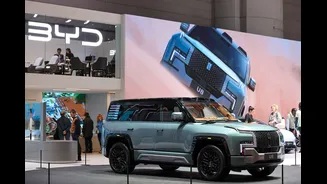
The core of this collaboration involves the seamless integration of VCarSystem's sophisticated E/E test benches, designed for high fidelity, with AVL's PAVE360 platform. This integration creates a robust environment for testing critical components like domain controllers, high-voltage systems, and the mechanisms for over-the-air (OTA) updates. This capability is especially vital for prominent Chinese automakers, such as BYD and Geely, who are intensifying their production of connected vehicles. These vehicles necessitate stringent E/E validation to meet national standards like GB/T and to comply with international export regulations. Industry experts in testing and diagnostics emphasize that the previous fragmented approaches to testing are now obsolete. This new tie-up introduces unified workflows that are projected to cut testing duration by as much as 40%, a critical factor in compressing development schedules within the fast-paced Asian automotive market.
Tackling Future Mobility
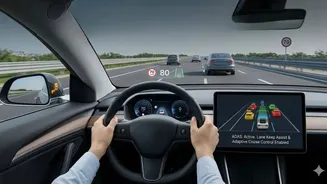
Addressing the evolving domains of connected vehicles and autonomous driving, this partnership directly confronts significant development hurdles. Key among these is ensuring robust cybersecurity integration throughout the E/E testing process, alongside the real-time simulation of complex edge cases, such as potential failures in sensor fusion systems. This enables suppliers to meticulously validate central compute modules under realistic network traffic conditions, ensuring adherence to international safety standards like ISO 21434 and the UNECE WP.29 regulations. For research and development teams, this translates into a more agile process for iterating on advanced driver-assistance systems (ADAS) features, utilizing virtual twins that accurately replicate production intent hardware. Furthermore, providers of IT and digital solutions stand to benefit from enhanced API interoperability, facilitating straightforward integration with widely-used tools like MATLAB/Simulink for model-based design workflows.
Profound Business Impact
The business ramifications of this alliance are substantial. Automotive executives gain improved oversight of their supply chain's preparedness for the ongoing E/E architecture transitions, thereby mitigating potential risks associated with semiconductor scarcity and trade-related disruptions. In regions like Southeast Asia, where physical infrastructure development may lag, this technological advancement permits the establishment of off-site validation centers, significantly reducing capital expenditure on physical test tracks. Such partnerships are emblematic of the broader industry trend towards collaborative innovation, fostering opportunities for joint educational initiatives like webinars and the creation of whitepapers to share best practices. Moreover, ensuring compliance with safety regulations is significantly bolstered through automated traceability mechanisms, which generate audit-ready reports essential for obtaining type approvals.
Manufacturing and R&D Enhancement
From a production perspective, this collaborative effort directly supports manufacturing and operations by enabling the integration of E/E testing into end-of-line processes, which is key to minimizing warranty claims stemming from electrical malfunctions. Major automotive component suppliers, such as Bosch and Continental, can leverage the shared intellectual property for scalable deployments, promoting efficiencies across the entire ecosystem. Research and development initiatives will increasingly focus on AI-driven fault injection techniques, allowing for the simulation of millions of potential scenarios within a single night. Anticipated developments within testing divisions include the recruitment of regional talent, with efforts underway to establish localized support in key Asian cities like Shanghai and Seoul.
Leading Vehicle Innovation
This strategic alliance firmly positions both AVL and VCarSystem as frontrunners in the field of vehicle design and engineering, areas where advanced E/E architectures are foundational to groundbreaking innovations. These include the development of vehicle-to-everything (V2X) communication systems and efficient energy management solutions for electric vehicles. High-level executive involvement includes the formation of joint steering committees to ensure aligned strategic roadmaps. For technology providers, this opens up significant opportunities in developing middleware solutions that bridge traditional automotive communication protocols like CAN-bus with modern Ethernet backbones. Ultimately, this partnership serves as a catalyst for Asia's automotive testing digital transformation, equipping automotive manufacturers, suppliers, and their partners with the confidence and speed needed to navigate the transition to software-centric mobility.