







Sources of Pollution
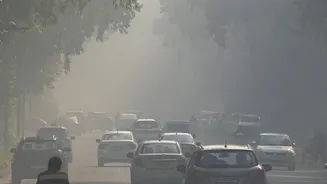
The main sources of Delhi's air pollution are varied and complex, contributing significantly to the city's poor air quality. One major contributor is vehicular
emissions; the sheer volume of vehicles on the roads, coupled with often outdated emissions standards and poor fuel quality, leads to considerable pollution. Industrial activities also contribute significantly, with factories and other industrial operations releasing pollutants into the atmosphere. Construction activities, a frequent occurrence in Delhi due to its rapid development, generate dust and particulate matter that significantly degrade air quality. Further, the burning of crop residue in neighboring states, particularly during certain seasons, causes a substantial influx of pollutants into Delhi's air, creating a smog-like atmosphere. Finally, domestic sources like the use of solid fuels for cooking and heating, as well as waste burning, add to the problem, making Delhi's air quality a complex challenge to tackle.
Health and Impact
Delhi's air pollution poses severe health risks to its residents. The presence of particulate matter (PM2.5 and PM10), nitrogen oxides, and other pollutants can trigger or exacerbate respiratory illnesses, such as asthma and bronchitis. Prolonged exposure to polluted air has been linked to increased instances of cardiovascular diseases, including heart attacks and strokes. Children, the elderly, and those with pre-existing health conditions are particularly vulnerable to the harmful effects of air pollution. The effects are not just limited to physical health; studies indicate that air pollution can affect cognitive function and mental health. The reduction in visibility due to smog can cause road accidents, and the overall quality of life is diminished as people are forced to limit outdoor activities and take protective measures. These impacts are a serious concern for public health.
Mitigation Strategies Explored
To address Delhi's air pollution challenges, a variety of mitigation strategies are being considered and implemented. One key approach is to improve public transportation systems, encouraging the use of buses, metro systems, and other forms of mass transit to reduce the number of private vehicles on the roads. Stricter emission standards for vehicles and enhanced fuel quality are also critical components. Regulating and monitoring industrial emissions through stricter enforcement of environmental regulations and promotion of cleaner technologies is vital. Initiatives promoting cleaner fuels and energy sources, such as electric vehicles and renewable energy, are being implemented. Efforts to control construction dust through better site management and the use of dust-control technologies are being pursued. Cooperation between Delhi and neighboring states is essential to address the issue of crop residue burning, along with policies to support alternatives. These initiatives work towards a comprehensive approach to improve Delhi's air quality.
The Road Ahead
The long-term fight against Delhi's air pollution requires sustained commitment and coordinated efforts. Achieving noticeable improvements in air quality necessitates comprehensive and integrated strategies. Continuous monitoring of air quality, coupled with regular analysis of pollution sources, is fundamental to understanding the nature and severity of the problem. Public awareness campaigns play a crucial role in informing citizens about the risks of air pollution and encouraging them to take individual actions to reduce their exposure and contribute to cleaner air. Technological advancements, such as the use of air purifiers and air quality monitoring systems, can help in improving air quality. Policy interventions need to be regularly assessed and updated to stay effective. Collaborations between government agencies, NGOs, and the public are critical for ensuring that the city's air becomes cleaner and healthier, securing a better future for Delhi and its citizens.