







Mileage Misconceptions Explained
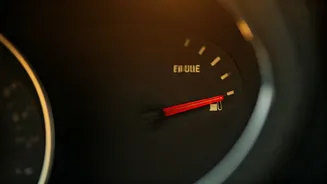
Many car owners believe they understand how to calculate their vehicle's fuel efficiency, but common practices often lead to inaccurate results. The dashboard's
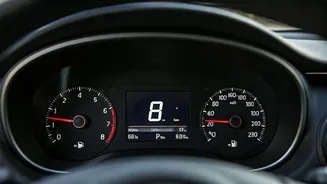
average mileage display, while convenient, is a calculated average that can be influenced by various driving conditions, including idling, frequent braking, and acceleration. This makes it unreliable for precise measurements. Furthermore, relying solely on the amount of fuel pumped into the tank without accounting for slight overfilling or variations in pump shut-off can skew the data. The true method requires a manual, step-by-step approach that isolates different driving cycles and ensures a consistent baseline for comparison, moving beyond simple approximations to actual, verifiable consumption figures.
The Accurate Measurement Method
To accurately determine your car's fuel efficiency, a simple yet precise manual process is essential. Begin by filling your fuel tank completely until the pump automatically shuts off. Reset your trip odometer to zero. The next step involves driving your vehicle as you normally would, covering a significant distance to ensure a fair sample of your typical usage patterns. Once you've used a substantial portion of the fuel, return to the same petrol station and fill the tank again, noting the exact amount of fuel added to reach the initial full level. This figure represents the fuel consumed over the distance recorded on your trip odometer. By dividing the total distance traveled by the amount of fuel used, you can calculate your car's precise miles per gallon (MPG) or kilometers per liter (km/l), providing a reliable metric for performance.
Optimizing for Efficiency
Once you have an accurate understanding of your vehicle's fuel consumption, several driving habits can be adjusted to enhance efficiency. Smooth acceleration and gentle braking are paramount; avoid rapid starts and sudden stops whenever possible, as these actions significantly increase fuel usage. Maintaining a consistent speed, especially on highways, is also crucial. Utilizing cruise control can help achieve this. Regular maintenance plays a vital role too; ensuring your tires are properly inflated reduces rolling resistance, while keeping your engine tuned and air filters clean ensures optimal combustion. A mindful approach to driving, combined with consistent upkeep, will not only improve your car's mileage but also contribute to a more sustainable and economical driving experience.