






Intelligent Hardware Evolution
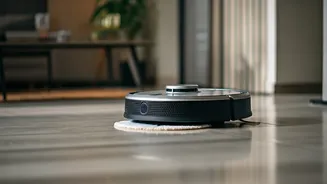
The perception of hardware has dramatically transformed; it's no longer solely about tactile sensation but increasingly about embedded intelligence. This
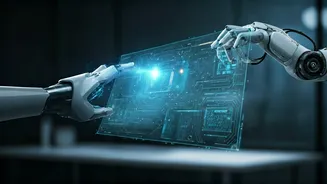
shift is particularly evident in how product managers are now tasked with innovating at the intersection of physical devices and sophisticated software. The user experience has ascended to paramount importance, driving the development of products that are not just functional but intuitive and adaptive. This evolution means that the 'feel' of a product is now intrinsically linked to its 'intelligence,' with underlying software capabilities enhancing every interaction. Future tools will undoubtedly be shaped by this principle, integrating seamlessly into professional lives and offering proactive assistance. The goal is to create an ecosystem where hardware and software work in concert, anticipating user needs and streamlining complex tasks with an underlying layer of smart functionality. This move towards a software-driven approach signifies a profound change in product design and user engagement strategies.
AI's Workflow Integration
Artificial intelligence is poised to fundamentally reshape the tools professionals utilize daily, moving beyond mere assistance to proactive workflow enhancement. The integration of AI into hardware and software aims to streamline complex processes, automate repetitive tasks, and offer personalized insights that boost efficiency. Imagine a work environment where your tools intelligently adapt to your current project, suggest relevant information, or even pre-emptively manage your schedule. This isn't science fiction; it's the direction product development is heading. By embedding AI capabilities, devices can learn user habits and preferences, offering a truly bespoke experience that maximizes productivity. The focus is on creating a symbiotic relationship between the user and their technology, where the technology understands and supports the user's goals, leading to more focused and impactful work. This intelligent augmentation of professional capabilities is key to navigating the demands of modern work environments.
Hybrid Work Dynamics
The landscape of work has irrevocably shifted, with hybrid models becoming the norm for many organizations. This evolving work structure presents both challenges and opportunities for productivity tools. As professionals navigate between office environments and remote setups, the demand for versatile, seamlessly integrated technology has intensified. Devices and software must be robust enough to support collaboration and individual focus regardless of location. The next few years will likely see further refinement of these hybrid work dynamics, with a greater emphasis on creating equitable and efficient experiences for all employees, whether they are in the office or working from home. This necessitates a re-evaluation of how technology can bridge physical distances and foster a cohesive work culture, ensuring that productivity remains high and engagement is maintained across diverse working arrangements.
India's Tech Market Growth
The Indian technology market represents a significant area of focus, characterized by its rapid expansion and innovative spirit. As a burgeoning hub for tech talent and adoption, India presents a fertile ground for the development and deployment of advanced productivity solutions. This market's dynamism is crucial for companies looking to understand and cater to evolving user needs on a global scale. The country's tech boom not only fuels domestic innovation but also influences international product strategies, including those for hardware designed for intelligent workflows. Investing in and understanding the nuances of the Indian market allows for the creation of more relevant and impactful products that can resonate with a diverse user base, ultimately driving the future of productivity on a worldwide level. The insights gained from this vibrant ecosystem are invaluable for shaping next-generation technologies.