




Carbon Monoxide Peril
Carbon monoxide (CO) is a silent, odorless killer, and sleeping in a car can increase the chances of exposure. Cars produce CO through exhaust, and even
a slightly leaky exhaust system can prove deadly in an enclosed space. Without proper ventilation, this poisonous gas can quickly accumulate inside the vehicle. The subtle symptoms of CO poisoning include headaches, dizziness, and nausea, which are often overlooked when one is asleep. Continued exposure can result in loss of consciousness and death. Therefore, it is important to ensure your car is well-maintained and never leave it running in an enclosed space while you sleep. Additionally, always be alert to any signs of exhaust leaks, like unusual noises or smells. If you experience these, avoid sleeping in your car.
Temperature Extremes Dangers
India's diverse climate presents significant challenges when sleeping in a car. Extreme heat and cold can rapidly become life-threatening. During the summer, a car parked in direct sunlight can quickly turn into an oven, reaching temperatures that can cause heatstroke. Even with the windows slightly open, the internal temperature can rise dangerously. Conversely, in cold regions, the car can get extremely chilly at night, leading to hypothermia if you do not have adequate insulation and warm clothing. To mitigate these risks, park in shaded areas whenever possible. Keep the windows slightly ajar for ventilation in moderate climates. Also, always keep blankets, warm clothing, and sufficient water handy to maintain a safe temperature throughout the night.
Roadside Hazard Awareness
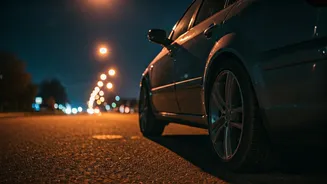
Sleeping in a car on the roadside or in public areas in India exposes you to various safety hazards. The threat of theft is significantly higher, especially in areas with high crime rates. There is also the risk of being approached by strangers or becoming the target of unwanted attention. Roadside accidents are also a major concern. Parking in an unsafe location close to a busy road increases the chances of being hit by passing vehicles. To reduce these risks, try to park in well-lit, populated areas, and secure the car properly. Ensure all doors and windows are locked, and be vigilant about your surroundings. If possible, avoid sleeping in isolated areas or places that look unsafe. Consider using roadside assistance or finding a safe overnight parking facility whenever possible.
Vital Safety Tips
To stay safe when sleeping in your car, follow these essential tips. First, prioritize your location by choosing a safe, well-lit area away from traffic and potential hazards. Ensure your car is properly ventilated to avoid carbon monoxide buildup by keeping a window slightly open. Keep valuables out of sight to deter potential theft. Stay hydrated and pack water, along with a fully charged phone and a power bank. Inform someone about your plans and where you will be. Always have a first-aid kit, and be aware of your surroundings to be able to respond quickly to any unusual situation. Regularly check your vehicle's exhaust system for leaks, and if you suspect any, refrain from sleeping in the car. Finally, never leave the car running while sleeping, and always have a plan in place for emergencies.