






The Viral Revelation
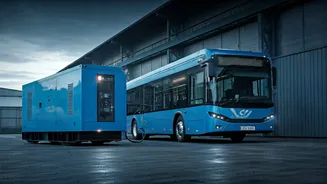
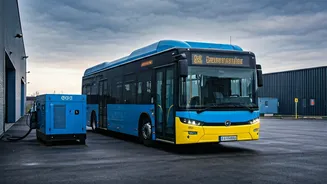
A recent social media sensation captured an electric bus being powered by a diesel generator, creating a paradoxical scene for environmentally conscious
transport. The footage clearly depicted the bus connected to the generator, with a transformer facilitating the power transfer. This arrangement, involving power draw ranging from 20,000 watts to 400 kilowatts, immediately drew attention for its contradiction of the 'zero emissions' moniker associated with electric vehicles. The incident brought to light the ironic reality that, in certain situations, the very vehicles designed to combat pollution might be indirectly contributing to it, highlighting a significant disconnect between the ideal of green mobility and the practicalities of charging infrastructure.
Echoes of the Past
This isn't the first time such a peculiar charging scenario has been observed. Back in 2019, a similar incident in India involved a public transport electric bus, part of the Pune Mahanagar Parivahan Mahamandal Limited (PMPML) fleet, being charged using a diesel generator. This occurred during a long-distance journey from Hyderabad to Pune when the bus reached Solapur, and charging stations were unavailable. Despite having a substantial 230 km range, the necessity of this unscheduled charge to complete the trip drew considerable criticism for compromising the very goals of reduced pollution that electric buses aim to achieve. Furthermore, instances of this nature have not been confined to India; in Sydney, reports from 2025 highlighted electric buses at the Marville depot being temporarily powered by diesel units. This was a measure to bypass immediate depot upgrades for swift deployment, a decision defended by transport authorities as a better alternative to using direct diesel buses, though critics argued it negated the zero-emissions advantage.
Infrastructure Gaps Exposed
The recurring theme in these viral moments and past reports points to a critical issue: the persistent inadequacy of charging infrastructure, particularly in areas that are remote or undergoing transitional phases. While the use of diesel generators can serve as an interim solution or a backup power source, it comes with inherent drawbacks. These generators not only produce higher emissions compared to compliant diesel vehicles but also lead to efficiency losses during the power conversion process, thus impacting the overall range and effectiveness of the electric bus. Experts consistently emphasize that the true realization of electric buses' potential in mitigating urban air pollution hinges on the extensive and reliable expansion of the national electricity grid and the establishment of comprehensive charging networks across various locations.