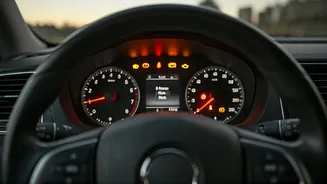





Engine's Cry for Help
The check engine light, often resembling an engine silhouette, is one of the most universally recognized dashboard indicators. Its illumination could signal
anything from a minor issue like a loose gas cap to a more significant problem within the engine's emissions system, catalytic converter, or even internal engine components. Ignoring this light can lead to reduced fuel efficiency, increased emissions, and potentially severe, costly damage to your engine. Prompt diagnosis, perhaps involving an OBD-II scan, is vital to pinpoint the exact cause, whether it's a faulty oxygen sensor, a misfiring spark plug, or an issue with the mass airflow sensor. Addressing it swiftly can prevent a small problem from escalating into an expensive repair, ensuring your vehicle continues to run smoothly and efficiently.
Brake System Alert
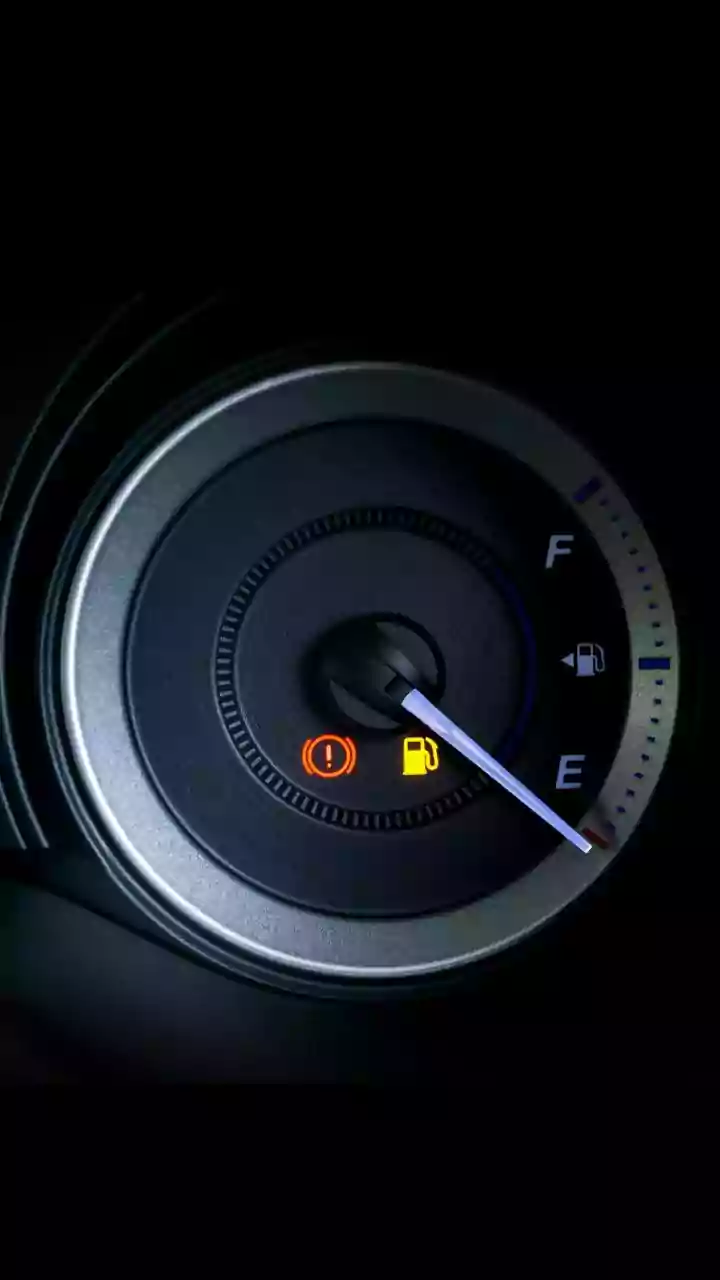
The brake warning light, typically an exclamation mark within a circle or the word 'BRAKE', demands immediate attention. This light can indicate a variety of brake-related issues. It might simply mean your parking brake is engaged, but if it remains illuminated after releasing the brake, it signifies a more serious concern. This could include critically low brake fluid levels, which severely compromises braking power, or a problem with the Anti-lock Braking System (ABS). A malfunctioning ABS can affect your car's ability to steer while braking hard. Driving with compromised brakes is extremely dangerous, putting yourself and others at significant risk. Pull over safely as soon as possible and seek professional inspection to ensure your braking system is fully functional.
Overheating Danger Zone
The temperature warning light, often appearing as a thermometer submerged in wavy lines, indicates that your engine is running too hot. This overheating can be caused by a variety of factors, including low coolant levels, a faulty thermostat, a leaking radiator, or a malfunctioning cooling fan. If this light illuminates, it's critical to stop driving as soon as it is safe to do so. Continuing to drive an overheating engine can lead to catastrophic damage, such as a warped cylinder head or a seized engine, resulting in extremely expensive repairs. Allow the engine to cool down completely before attempting to check the coolant level, and never open a hot radiator cap. Professional assessment is necessary to identify and rectify the root cause of the overheating.
Oil Pressure Low
The oil pressure warning light, usually depicted as an old-fashioned oil can, signals critically low engine oil pressure. Engine oil is the lifeblood of your vehicle, lubricating moving parts and preventing friction that can lead to severe damage. Low oil pressure can be due to insufficient oil levels, a faulty oil pump, a clogged oil filter, or a leak in the oil system. If this light illuminates, it’s imperative to turn off the engine immediately. Driving with insufficient oil pressure can cause irreversible damage to engine components within minutes. Check your oil level cautiously once the engine has cooled, and if it's low, add the correct type of oil. However, even with the correct level, the light's illumination indicates a potentially serious issue that requires immediate professional attention to prevent catastrophic engine failure.
Battery System Issues
The battery warning light, often shaped like a battery, indicates a problem with your car's charging system. This light doesn't necessarily mean the battery itself is dead, but rather that it's not being adequately charged or that there's an issue with the alternator, voltage regulator, or battery connections. The alternator is responsible for recharging the battery while the engine is running, and if it fails, your car will eventually run solely on battery power, leading to a breakdown. If this light appears, check for loose or corroded battery terminals. However, it's best to have the charging system inspected by a mechanic as soon as possible to ensure the battery remains charged and your vehicle continues to operate.
Tyre Pressure Alert
The Tyre Pressure Monitoring System (TPMS) warning light, typically a cross-section of a tyre with an exclamation mark inside, indicates that one or more of your tires are significantly underinflated. Proper tyre inflation is crucial for safety, fuel efficiency, and tyre longevity. Underinflated tyres can lead to poor handling, increased braking distances, and a higher risk of blowouts. This light could be triggered by a slow leak, a puncture, or even significant temperature fluctuations affecting tyre pressure. It's important to check your tyre pressures promptly with a reliable gauge and inflate them to the recommended PSI found on a sticker inside your driver's side doorjamb or in your owner's manual. If the light persists after adjusting pressure, inspect your tyres for damage.