








Fuel Dispensing Operations
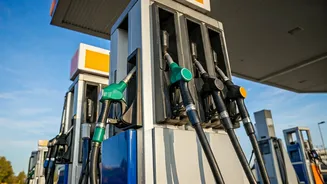
Fuel stations, or petrol stations, are central to the mobility of individuals and goods. A core function of these stations is the dispensing of fuel. This
operation is more involved than simply pumping gasoline; it encompasses the management of underground storage tanks, the calibration of dispensing pumps to ensure accurate measurements, and adherence to strict safety protocols to prevent fires and environmental contamination. Different types of fuel are offered, like gasoline (petrol) in various octane ratings, diesel fuel for heavier vehicles, and sometimes alternative fuels like compressed natural gas (CNG) or even electric vehicle charging stations, depending on the station's location and demand. The process also includes regular maintenance of the equipment, including checks for leaks and ensuring the pumps are in working order to guarantee the safety of the customers.
Payment Processing Methods
Fuel stations use several payment methods. Traditionally, cash was a primary method, though it is decreasing due to the prevalence of digital alternatives. Credit and debit cards are accepted at almost every station, enabling contactless transactions. Many stations now provide options like mobile payments, using apps such as Google Pay or Apple Pay. Some stations also offer loyalty programs where customers earn points or discounts. These points can be redeemed for fuel or other goods at the station. This payment process is made secure with advanced point-of-sale systems that protect sensitive customer data through encryption and fraud detection measures. With these diverse payment methods, fuel stations offer convenience and security in financial transactions.
Ancillary Services Provided
Fuel stations often offer a variety of services besides fuel sales to attract customers and enhance their business. Convenience stores are common, selling snacks, drinks, and other everyday items, as well as automotive products. Some fuel stations include car washes, offering both automatic and self-service options. They may also provide repair services, ranging from tire inflation and checking fluids to more comprehensive mechanical work. Many stations include restrooms for customer use. These services are often strategically placed along major routes, acting as rest stops for travelers. These additional services significantly contribute to the revenue of a fuel station. They improve customer loyalty by catering to different needs during a single visit. This makes them more than just fuel suppliers, but complete service hubs.