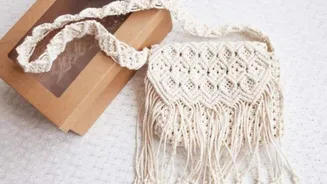

Fabric and Weave
The essence of any design frequently begins with the selection of fabric and its unique weave. These fundamental aspects largely dictate the aesthetic
and functional properties of the final product. The choice of fabric can range from the smooth elegance of silk to the textured robustness of denim, each contributing distinct characteristics to the overall design. Consider, for example, the subtle sheen of satin or the structured form of a herringbone weave. The weave, being the method by which threads are interlaced, is crucial. It directly impacts the fabric's drape, durability, and visual texture. A tightly woven fabric, such as canvas, provides strength and resilience, while a looser weave like muslin offers breathability and a softer feel. This decision-making process is where designers start to communicate their vision, as the fabric itself serves as a foundational element. Additionally, understanding the fabric's composition – whether it's natural fibers like cotton or silk, or synthetic materials like polyester – provides insights into its performance, care requirements, and environmental impact. Therefore, the selection of the correct fabric and weave is the initial step that sets the stage for the design's overall success, influencing not just its look but also its feel and lifespan.
Colour Palette Impact
The colour palette selected for a design profoundly influences its emotional resonance and visual impact. Colours are more than just visual elements; they evoke feelings and communicate messages. The skillful application of a colour palette can set a specific tone, ranging from the vibrancy of a festive celebration to the calm serenity of a minimalist aesthetic. Consider how the warm tones of red and orange can energize a space, while the cool blues and greens can soothe and relax. The choice of a colour palette often mirrors cultural symbolism, as specific colours have significant meanings across different societies. In some cultures, red may symbolize good fortune or prosperity, while in others, it could represent warning or danger. The arrangement and juxtaposition of colours are equally significant. For instance, using complementary colours, such as blue and orange, creates a visually dynamic effect that can capture attention. On the other hand, a monochromatic scheme, relying on variations of a single colour, can provide an atmosphere of sophistication and unity. Therefore, the strategic selection and implementation of a colour palette are vital steps in designing a product. It helps shape how it is perceived, understood, and ultimately appreciated by those who experience it.
Symbolism in Design
Design is frequently intertwined with symbolism, where visual elements convey deeper meanings. These symbols can be explicit, such as specific patterns or motifs, or they can be implicit, conveyed through the choice of colours, shapes, and materials. A skilled designer consciously utilizes symbolism to communicate values, ideas, or even cultural references within their designs. Consider the use of a lotus flower motif in certain designs; it often signifies purity and spiritual enlightenment in various Eastern cultures. Similarly, specific geometric shapes can hold symbolic significance, with circles often representing wholeness and unity, while triangles may symbolize strength or balance. Materials also carry symbolic weight; the use of gold could represent wealth, while wood might suggest naturalness and authenticity. Symbolism can also be used to evoke emotion. Soft, flowing lines may create a sense of calmness and tranquility, whereas sharp angles can convey energy and dynamism. Designers adept at employing symbolism are able to tap into the unconscious, creating designs that resonate on a deeper level. This enables the design to go beyond mere aesthetics, weaving narratives and prompting meaningful engagement with the viewer or user. Understanding and leveraging symbolism are key aspects of creating a truly impactful and memorable design.
Craftsmanship Details
Craftsmanship serves as the crucial bridge connecting concept and execution in design. The attention to detail in the creation process determines not only the functionality but also the aesthetic value of the final product. Skilled craftsmanship encompasses a deep understanding of materials, techniques, and the meticulous execution required to realize a designer's vision. It involves precision in every step, from the initial preparation to the final finishing touches. The quality of craftsmanship is often observable in various ways, such as the seamlessness of joints in woodworking, the consistency of stitching in textiles, or the smoothness of the surface of metalwork. Such aspects show the skill and dedication of the craftsperson. The choice of materials plays a key role in the craftsmanship process. Designers must select materials that are not only suitable for the intended use but also complement the overall aesthetic. Furthermore, craftsmanship is not limited to physical objects; it extends into digital design and other forms of art. In these areas, craftsmanship manifests through a focus on usability, visual clarity, and the cohesive integration of various elements. In essence, high-quality craftsmanship is crucial for creating enduring products that are aesthetically pleasing, functional, and reflective of a deep understanding of materials and techniques.