





Engine Check Light
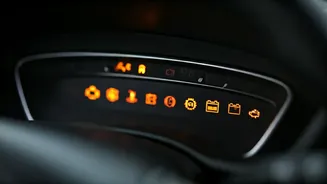
The engine check light, a universally recognized symbol, often appears as an engine silhouette. Its presence suggests a potential malfunction within the
engine system, covering a wide array of possibilities, from a loose gas cap to more serious issues like catalytic converter problems. When illuminated, it's recommended to have your vehicle inspected promptly. This light doesn’t always signal an immediate breakdown; sometimes, it indicates a minor glitch. However, delaying a checkup can potentially worsen the problem, leading to more extensive and costly repairs down the line. Keep in mind that modern vehicles have complex computer systems that can identify and record these issues, so early diagnosis is crucial. Getting it checked ensures that any underlying issues are addressed quickly, preventing any potential long-term damage to the engine or related components. Acting fast also ensures compliance with emission standards and maintains your car’s overall performance.
Oil Pressure Warning
The oil pressure warning light, typically an oil can symbol, signifies that the engine oil pressure is either too low or has dropped below the safe operating level. Low oil pressure is a critical concern, as it can result in insufficient lubrication of engine components, which can quickly lead to severe engine damage. If this light comes on, it is essential to pull over safely as soon as possible and turn off the engine. Further driving could cause catastrophic engine failure. Check the oil level and add oil if necessary. If the light remains illuminated after adding oil, the problem could be a faulty oil pump or a leak within the oil system. Immediate professional assessment is necessary to prevent further harm. This light’s presence demands immediate action to protect the vehicle’s vital engine components and avoid costly repairs. Do not take it lightly, as it’s a warning of a serious mechanical issue that could get worse rapidly.
Brake System Warning
The brake system warning light, often a circle with an exclamation point inside, indicates issues related to the braking system. This could mean your parking brake is engaged, or it could mean something more serious like low brake fluid or a malfunction in the braking system itself. If this light appears, check the parking brake first; ensure it's fully disengaged. If the light persists, examine the brake fluid reservoir for low levels or leaks. Low fluid levels can reduce braking effectiveness, and further driving is risky. It's best to have the brakes inspected by a mechanic as soon as possible, especially if the light is accompanied by any unusual brake performance, like spongy brakes or increased stopping distance. Ignoring this warning can significantly compromise safety. Prompt intervention guarantees the proper functioning of your brakes, and your safety is ensured on the road.
Battery Warning Light
The battery warning light, shaped like a battery, signifies an issue with the charging system. This could be a problem with the battery itself, the alternator, or the related wiring. If this light illuminates while driving, it means the battery isn't receiving a charge from the alternator. You might notice dim headlights, sluggish starting, or other electrical issues. It's generally safe to continue driving for a short distance to reach a service station or your home, but prolonged driving may completely drain the battery, leaving you stranded. Have a mechanic examine the charging system, checking the alternator, battery, and associated belts and wiring. Addressing this problem promptly is vital because a failing charging system can impact the vehicle’s performance and leave you vulnerable. Regularly checking your battery's condition and ensuring the proper functioning of your charging system is key to avoiding this issue.
Tire Pressure Warning
The tire pressure monitoring system (TPMS) warning light, typically resembling an exclamation point inside a horseshoe-shaped tire, informs you about low tire pressure. Low tire pressure affects fuel efficiency, handling, and tire lifespan. When this light turns on, check the tire pressure with a gauge and inflate the tires to the recommended pressure indicated on the driver's side doorjamb or in your owner’s manual. Extreme temperature changes can influence tire pressure, so it is often necessary to re-inflate tires seasonally. Driving with underinflated tires compromises the vehicle's handling and can also lead to uneven tire wear, reducing the lifespan of your tires. Addressing low tire pressure quickly improves your car's performance, increases fuel efficiency, and enhances driving safety. It's advisable to check your tire pressure regularly, especially before long journeys or during drastic temperature changes.
ABS Warning Light
The anti-lock braking system (ABS) warning light, frequently an “ABS” inside a circle, signifies an issue within the anti-lock braking system. ABS prevents the wheels from locking up during braking, thus helping maintain steering control. If this light is illuminated, ABS might not function, but regular brakes should still work. However, the absence of ABS diminishes your car's ability to maintain control during sudden stops or on slippery surfaces. Although the car can still be driven, it's best to have the system inspected by a mechanic promptly. The technician will check the wheel speed sensors, ABS control module, and wiring for any faults. Ignoring this warning reduces the effectiveness of your braking system and increases the risk of accidents. Regular check-ups of the ABS are crucial to guarantee optimum safety during braking.
Airbag Warning Light
The airbag warning light, often a person in a seat with a circle in front of them, means the airbag system has a problem. This could include issues with the airbags themselves, the sensors, or the related electronics. If this light is on, the airbags may not deploy in an accident, significantly increasing the risk of serious injury. Immediately have the system inspected by a qualified mechanic. This is important as airbags are designed to protect you during an accident and if they are not operational, the consequences could be severe. The mechanic will check all system components, including the airbags, sensors, and wiring. Never ignore this light, as it compromises one of your most important safety features. Maintaining the functionality of the airbag system ensures that the vehicle provides maximum protection during a collision.