
Understanding Winter Jackets
Winter jackets are an essential part of a cold-weather wardrobe, designed to provide protection against the elements. They offer insulation to trap body
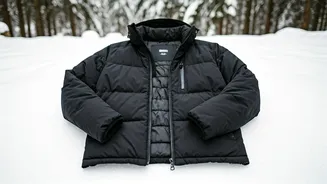
heat, keeping the wearer warm in freezing temperatures. Different types of jackets cater to various needs and preferences. Key features to consider include the outer shell, insulation, lining, and additional details like hoods, pockets, and closures. The outer shell, often made from water-resistant or waterproof materials like nylon or polyester, safeguards against rain, snow, and wind. The insulation, which can be natural (down or feathers) or synthetic (polyester fibers), determines the jacket's warmth-retaining capabilities. A warm lining, frequently made of fleece or quilted material, enhances comfort and insulation. Thoughtful details such as a hood, practical pockets, and secure closures improve functionality and comfort. The choice depends on personal preferences and the specific climate conditions. Understanding these elements enables individuals to pick jackets that satisfy both practical requirements and style inclinations.
Key Features and Design
A well-designed winter jacket includes several essential features that ensure both comfort and effectiveness. The outer shell should be made from materials that repel water and block wind. Materials such as nylon and polyester are commonly used for their durability and protective qualities. The type of insulation is a primary factor in warmth. Down insulation, originating from duck or goose feathers, provides excellent warmth-to-weight ratio but can be more expensive. Synthetic insulation, composed of polyester fibers, is a more budget-friendly option and maintains its warmth even when wet. The lining provides comfort and may add an additional layer of warmth. Fleece and quilted linings are popular choices. Additional features enhance the practicality and user experience. A hood protects the head and neck from inclement weather. Multiple pockets offer storage space for essentials. Secure closures, such as zippers, snaps, or Velcro, ensure a snug fit and prevent heat loss. Considering these aspects during jacket selection guarantees that it aligns perfectly with the wearer's needs, offering protection and style in cold weather conditions.
Layering for Warmth
Smart layering is essential for maximizing the warmth provided by a winter jacket. The layering system generally consists of three components: a base layer, a mid-layer, and an outer layer (the jacket itself). The base layer, typically made of moisture-wicking materials like merino wool or synthetic fabrics, draws moisture away from the skin, keeping the wearer dry and comfortable. The mid-layer, consisting of insulating items like fleece or a down jacket, traps heat to maintain warmth. The outer layer, the winter jacket, shields against wind, rain, and snow. Adjusting the layers allows for adaptability to varying temperatures and activity levels. On milder days, one might wear just a base layer and the jacket, while on colder days, all three layers would be essential. This adaptable approach helps maintain a comfortable body temperature regardless of environmental conditions. By understanding the layering concept, individuals can fully optimize their winter jackets for maximum comfort and protection during the cold months.
Everyday Style Considerations
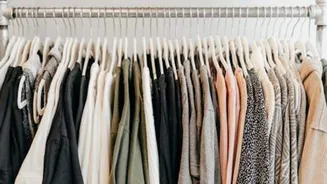
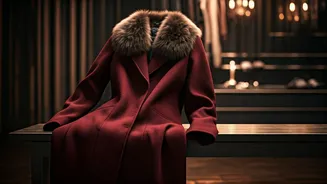
Winter jackets should complement a person's individual style while providing adequate warmth. The jacket's overall design and aesthetic play a significant role. Styles vary significantly, ranging from classic parkas and puffer jackets to more streamlined, fitted designs. The length and silhouette of a jacket can greatly influence its look. Longer jackets offer more coverage and warmth, while shorter jackets can provide a more modern appearance. Color and pattern choices further personalize the jacket. Neutral colors like black, navy, and gray are versatile and match well with various outfits. Brighter colors or patterns add a statement of personal style. The jacket's material and texture impact its visual appeal. Jackets made of matte fabrics offer a casual appearance, while those with a glossy finish provide a more polished look. Whether it's a sleek minimalist design or a more robust, functional style, finding a jacket that suits both individual style preferences and practicality will elevate your winter wardrobe.
Choosing the Right Jacket
Selecting the appropriate winter jacket requires careful consideration of various factors. Begin by considering your typical climate conditions. If you live in a location with harsh winters, prioritize warmth and weather protection. Assess the jacket's insulation type, water resistance, and windproof capabilities. Think about your everyday activities and how the jacket will be used. If you are regularly active outdoors, you will want a jacket that promotes mobility and breathability. For more relaxed, everyday use, comfort and style might be the primary focus. Pay attention to the jacket’s fit and sizing. It should allow room for layering without feeling too bulky. Try the jacket on with the types of layers you plan to wear underneath. Think about the features that best suit your needs. Do you need a hood? Do you need many pockets? Zippers and closures that are easy to use are very important. Considering these factors will help you make a selection that gives the best mix of warmth, style, and practicality for your specific needs.