






Structural Integrity Concerns
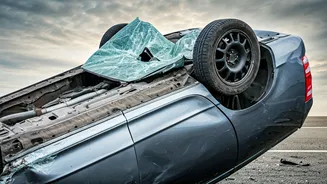
The main concern regarding sunroofs and vehicle safety centers on their potential impact on structural integrity, especially during rollover events. The roof is
a crucial component in maintaining the vehicle's structural stability. When a car has a sunroof, the roof’s structure is altered. The opening itself removes a portion of the roof panel, and the reinforcements around the opening may change the overall rigidity. In a rollover, the roof bears a significant part of the impact. If the roof’s integrity is compromised, it may collapse more easily, leading to a greater risk of injury to the occupants. The materials used in a sunroof, like tempered glass or laminated glass, have different properties than the standard roof materials, potentially affecting how they react under stress during a crash.
Rollover Crash Dynamics
Understanding how a car behaves in a rollover crash is key to assessing sunroof safety. Rollovers often involve multiple impacts, and the roof's ability to withstand these forces is critical. A vehicle’s roof is designed to distribute the impact energy and prevent the cabin from collapsing. If the roof structure is weaker, it may buckle or deform during a rollover. This deformation can decrease the survival space for the occupants. This is particularly concerning if the sunroof panel breaks or is pushed inward, as it can result in ejection from the vehicle or exposure to other hazards. The Insurance Institute for Highway Safety (IIHS) conducts roof strength tests, where a metal plate is pressed onto the roof, measuring its resistance to crushing.
Impact of Design Elements
The design of a sunroof, along with the roof itself, plays a significant role in the safety profile. The size of the sunroof opening, the materials used, and the construction around the opening impact the roof’s strength. Larger sunroofs might remove more of the roof's structural material. This can make the roof less resistant to forces during a rollover. Additionally, the type of glass used for the sunroof matters. Tempered glass shatters into small pieces upon impact, while laminated glass, which is safer, tends to stay together, reducing the risk of occupant ejection. The presence of a sturdy frame and reinforcements around the sunroof opening can also enhance the roof’s resistance to collapse. Manufacturers are continuously working to integrate sunroofs while maintaining high safety standards, incorporating features such as robust framing and advanced glass materials.
Safety Standards and Tests
Vehicles must meet stringent safety standards to ensure occupant protection. These standards include roof strength tests, which evaluate how well the roof resists crushing. The IIHS roof strength test is a notable example. During this test, a metal plate presses onto the roof at a constant rate, measuring the force required to crush the roof to a specific depth. A higher strength-to-weight ratio indicates better protection. These tests are vital because they assess the roof's capability to bear the weight of the vehicle during a rollover. Modern vehicles with sunroofs often undergo similar testing. Manufacturers employ various design features, like reinforced frames, to ensure the roof meets safety requirements even with the addition of a sunroof. Safety ratings from organizations like IIHS or Euro NCAP help consumers understand the real-world performance of vehicles.