







Electric Vehicle Evolution
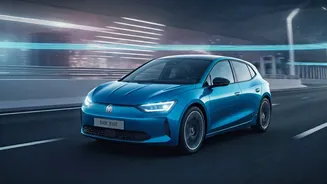
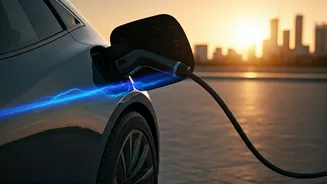
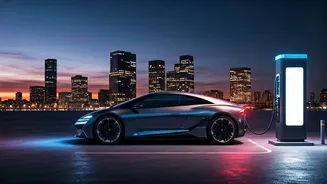
Electric vehicles (EVs) have surged in popularity, becoming a significant force in the automotive industry. The early EVs, though present, were limited
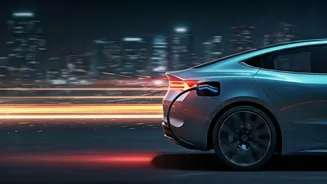
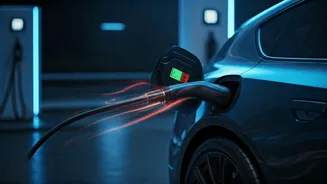
by factors like short driving ranges and long charging times. However, substantial advancements in battery technology have dramatically improved these aspects. Today's EVs boast considerably extended ranges, often exceeding 300 miles on a single charge. Furthermore, fast-charging infrastructure has expanded, allowing for quick recharges. Motor technology has also evolved, leading to greater efficiency and improved performance. Moreover, the environmental benefits of EVs, with their zero tailpipe emissions, are a key driver of their widespread adoption, supported by governmental incentives and regulations aimed at promoting a cleaner, more sustainable transportation ecosystem. The shift towards EVs represents not merely a technological change but a fundamental shift towards sustainable mobility, reducing dependence on fossil fuels and lowering the carbon footprint of transportation.
Autonomous Driving Advances
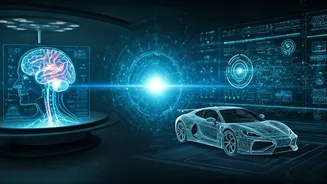
Autonomous driving technology, commonly known as self-driving cars, is rapidly evolving. The progression from basic driver-assistance systems, like adaptive cruise control and lane-keeping assist, to fully autonomous vehicles has been significant. Advanced sensors, including lidar, radar, and high-resolution cameras, are now standard, providing vehicles with the capacity to perceive their surroundings in intricate detail. Sophisticated algorithms and artificial intelligence (AI) are central to processing the vast amounts of data gathered by these sensors, enabling vehicles to make intelligent decisions and navigate various road conditions. Despite notable technological achievements, several obstacles remain. Regulatory frameworks must adapt to accommodate self-driving vehicles, addressing concerns related to safety, liability, and data privacy. Moreover, public trust is crucial; thus, ongoing testing and demonstrable improvements in safety performance are essential for widespread adoption. As the technology matures, autonomous driving promises not only enhanced safety and convenience for drivers but also potentially a reduction in traffic congestion and an increase in overall transportation efficiency.
Sustainable Materials Integration
The automotive industry is actively exploring sustainable materials to reduce its environmental impact. Traditional car manufacturing relies heavily on materials that are not environmentally friendly, such as steel and plastics. Therefore, the sector is looking into innovative, eco-friendly alternatives. Lightweight materials, like carbon fiber and aluminum, are being adopted to increase fuel efficiency and reduce emissions. Simultaneously, research and development are dedicated to integrating bio-based materials, encompassing natural fibers, recycled plastics, and plant-derived composites, into vehicle construction. These initiatives support the circular economy principles by repurposing waste materials and minimizing environmental pollution. Furthermore, manufacturers are working to optimize production processes to reduce waste and lower the carbon footprint of manufacturing facilities. The integration of sustainable materials represents a vital shift in the automotive industry, fostering environmental responsibility and encouraging a focus on eco-conscious design.
Future Industry Trends
The automotive industry is poised for further dramatic changes. The convergence of electric vehicles, autonomous driving, and sustainable materials is expected to produce highly interconnected and adaptable vehicles. This integration suggests the possibility of vehicle-to-everything (V2X) communication, allowing cars to interact with infrastructure, other vehicles, and the wider environment, thereby enhancing safety and traffic management. Shared mobility models, including car-sharing and ride-hailing services, are expected to grow in popularity, potentially reducing individual vehicle ownership and optimizing urban transportation. Furthermore, the role of software and digital connectivity will be increasingly critical, influencing vehicle functionality, the user experience, and the delivery of services. Data analytics will play a pivotal role in optimizing vehicle performance, identifying potential maintenance needs, and providing personalized services to drivers. The future of the automotive industry will be determined by innovation, sustainability, and the ability of automakers to satisfy changing consumer needs while also addressing global environmental challenges.