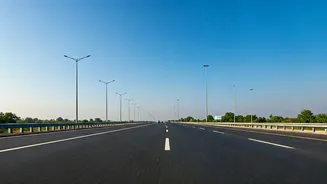

Highways: The Lifeline
India's vast network of highways is essential, acting as a crucial element in the country's growth. These extensive roads link various regions, facilitating
the smooth flow of goods, services, and people. The National Highways Authority of India (NHAI) plays a pivotal role in constructing and maintaining these vital lifelines, guaranteeing their efficiency and safety. The longest highways, in particular, represent significant engineering achievements. They reflect India's commitment to infrastructure development and improving connectivity across its diverse landscape. These highways have a crucial impact on various sectors, from logistics and manufacturing to tourism and daily commutes, by reducing travel times, lowering transportation costs, and improving accessibility to remote areas. Their impact is felt nationwide, playing a vital role in national integration and economic prosperity. The government's continued focus on expanding and upgrading this network further underscores its importance for India's future progress and development.
Strategic Route Mapping
The planning and design of India's longest highways involve meticulous strategic route mapping. Road planners and engineers work together to analyze geographical features, population distribution, and economic potential, choosing routes that optimize both efficiency and impact. Factors like terrain, climate, and potential environmental effects are also meticulously assessed. The objective is to create road networks that minimize travel distances, bypass congested areas, and facilitate seamless connectivity between major cities, ports, and industrial centers. These strategic routes enhance trade by decreasing transit times and associated expenses, which in turn attract investment and increase economic activity along these corridors. Furthermore, efficient route planning helps to promote regional development by providing access to previously isolated areas, stimulating growth in tourism, agriculture, and local industries. The careful and strategic mapping of these roadways is fundamental to the long-term success of India's infrastructure investments and overall national progress.
Boosting Economic Growth
India's longest highways are fundamental to economic prosperity. These roads serve as vital transportation arteries for the movement of goods and services, resulting in significant improvements to trade and commerce. The reduction of travel times and transportation costs associated with better highways makes it easier for businesses to access markets, improving their overall competitiveness. Moreover, infrastructure development leads to the creation of jobs across multiple sectors, including construction, logistics, and hospitality. This economic impact is amplified by the increased investment and development that occurs alongside highways. Industrial parks, warehouses, and commercial centers develop along these routes, fostering economic expansion and creating employment opportunities for local communities. The improvement of highway networks also boosts the tourism industry, as these highways connect places of interest, therefore attracting more visitors. Overall, these highways act as essential catalysts for economic growth, fostering a favorable environment for businesses and investors. They enhance connectivity and contribute significantly to India's overall economic development.
Impact on Connectivity
The extensive network of India's longest highways greatly enhances connectivity, which is critical for the country's social and economic integration. These roads facilitate the smooth flow of people, goods, and information, connecting urban and rural areas. This improved accessibility offers rural communities better access to healthcare, education, and employment prospects, thereby helping to bridge the urban-rural divide. Improved highway networks also play a role in times of disaster relief and emergency services, providing faster access to affected areas. Enhanced connectivity promotes social cohesion by bringing people from different regions closer together, fostering cultural exchange and mutual understanding. Improved infrastructure lowers travel times and distances, which encourages travel and tourism, in turn helping to boost local economies. Efficient transport networks also make it easier for companies to set up and grow, stimulating further economic development. Overall, India's highway infrastructure strengthens connectivity, which plays a major part in driving social and economic progress across the country.
Future Developments
The ongoing and upcoming expansions of India's longest highways highlight a strong dedication to infrastructure growth. The government is implementing ambitious plans to build new highways, expand existing ones, and incorporate advanced technologies to improve their efficiency and safety. These developments include upgrading roads to incorporate expressways, constructing smart highways with intelligent traffic management systems, and improving safety measures to reduce accidents. The use of innovative technologies such as digital mapping, GPS navigation, and automated toll collection systems, is further streamlining transport and lowering operating costs. The government is also promoting public-private partnerships (PPPs) to speed up construction and increase investment in the sector. These improvements are designed not only to facilitate smoother and faster travel but also to accommodate the growing needs of the country's population and economy. The ongoing commitment to improving infrastructure highlights India's commitment to sustained growth, improved connectivity, and a prosperous future for all its citizens.