
Battery Health Basics
Understanding smartphone batteries is the initial step towards preserving them. Lithium-ion batteries, prevalent in modern smartphones, degrade over time
with usage and charging cycles. Each full charge and discharge cycle reduces the battery's capacity. Heat accelerates this degradation process, emphasizing the importance of optimal charging habits. Furthermore, the type of charger used impacts the battery's performance and longevity. Using the incorrect charger can cause the battery to overcharge or charge too slowly, both of which are detrimental. Regular monitoring of the battery's health through settings or third-party apps provides insight into its condition and helps to adjust charging habits to extend its lifespan. For instance, charging overnight generates heat, which can be avoided by unplugging once fully charged.
Charger Power: Decoding
Charger specifications like voltage and amperage are vital. Voltage dictates the electrical potential, and amperage indicates the current flow. Matching the charger's specifications to the phone's requirements is crucial. An underpowered charger delivers insufficient current, resulting in slow charging, whereas an over-powered charger might supply excessive current, potentially damaging the battery. Fast charging technology, which is common in newer smartphones, necessitates compatible chargers and cables. These chargers provide higher power output, charging phones rapidly. However, fast charging also generates more heat. Moderation is key when using fast charging. Limiting its use and opting for standard charging when possible can mitigate heat-related stress on the battery, thus extending its lifespan. Always prioritize the manufacturer's recommended charger specifications to ensure safe and effective charging.
Charging Habits: Best Practices
Optimizing charging habits significantly prolongs battery health. Avoiding extreme charging scenarios is the first rule. Charging the phone to 100% and then letting it drain completely to 0% repeatedly places stress on the battery. Instead, it is preferable to maintain the charge level between 20% and 80%. This charge range is often referred to as the 'sweet spot' for lithium-ion batteries. Using the original charger or a certified charger from a reputable brand guarantees compatibility and safety. These chargers are designed to meet the phone's charging requirements, thereby preventing potential damage. Additionally, minimizing exposure to extreme temperatures is vital. Avoid charging the phone in direct sunlight or freezing conditions, as both can negatively impact battery performance. Lastly, when the phone is fully charged, unplug it. Allowing the device to remain connected to the charger for extended periods can generate extra heat, thereby reducing battery health over time.
Charger Types Explained
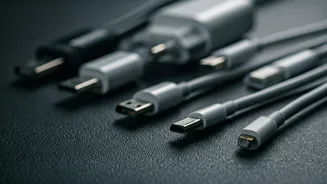
Various charger types cater to diverse needs and technologies. Standard chargers, typically included with smartphones, provide a fixed power output and charge at a moderate rate. These chargers are suitable for everyday use and are generally safe for the battery. Fast chargers employ higher voltage or amperage to charge devices more quickly. They are convenient, but the increased heat generation can degrade the battery over time. Wireless chargers provide an alternative, using inductive charging. This method eliminates the need for cables, but it typically charges at a slower rate and can generate heat. USB-C chargers have become commonplace and offer faster charging speeds. They are generally more versatile and compatible with a wider range of devices. Selecting the appropriate charger type depends on individual needs. If you prioritize speed, a fast charger may be suitable, but remember to balance it with mindful charging habits.
Charger Selection: Key Factors
Several factors should guide your charger selection. Compatibility is essential; the charger must be compatible with your smartphone model. Check the charger's output specifications (voltage and amperage) to ensure it matches your phone's requirements. Quality is also a consideration; opting for chargers from reputable brands that adhere to safety standards is advisable. These chargers undergo rigorous testing, minimizing the risk of overcharging, overheating, and other potential hazards. Portability is another factor, especially if you travel frequently. Consider chargers with multiple USB ports or compact designs for convenience. Safety features, such as overcharge protection and short-circuit protection, are critical for safeguarding both the device and the user. A good charger will incorporate these features to prevent damage and ensure a safe charging experience. Finally, be mindful of the charging cable. The cable's quality affects charging speed and efficiency; choose robust cables that can handle regular use.