
The Electric Shift
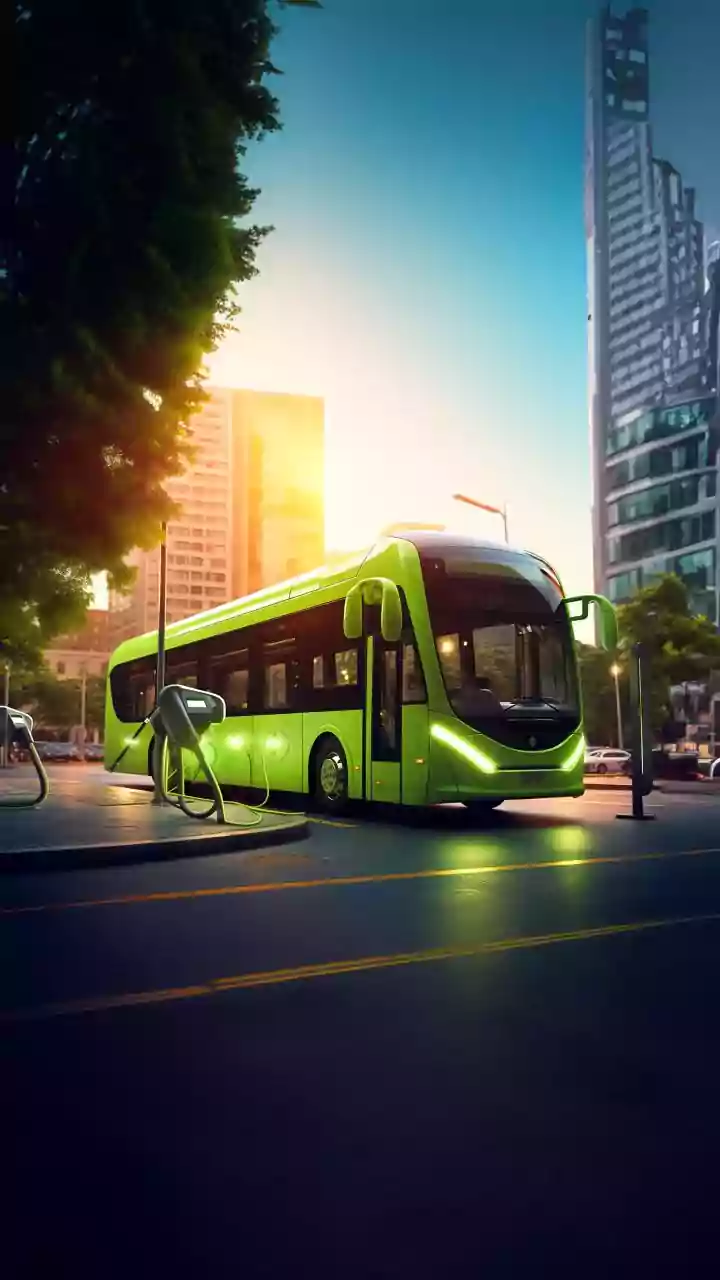
The shift toward electric vehicles (EVs) is gaining momentum globally, and India is no exception. This transformation presents a compelling opportunity
to reduce reliance on fossil fuels and mitigate environmental pollution. Converting existing petrol and diesel cars to electric is emerging as one avenue to accelerate this transition. This approach offers a way for people to adopt cleaner transportation without necessarily buying a brand-new EV. This conversion process, however, comes with its own set of considerations, including the technical aspects of the conversion itself, associated costs, and the overall impact on the vehicle's performance and lifespan. Understanding these elements is critical for individuals considering such a conversion.
Benefits of Conversion
One of the primary benefits of converting a petrol or diesel car into an EV is the potential for significantly reduced running costs. Electric vehicles typically have lower maintenance requirements compared to their internal combustion engine (ICE) counterparts. There are fewer moving parts in an EV, meaning less frequent servicing and a reduced likelihood of mechanical failures. Moreover, the cost of electricity per kilometer is generally lower than the cost of petrol or diesel, leading to savings in fuel expenses. Another major advantage is the contribution to environmental sustainability. EVs produce zero tailpipe emissions, which leads to improved air quality and reduced greenhouse gas emissions. Converting existing vehicles to electric power can therefore play a role in promoting a cleaner, greener environment. Additionally, the government's push for EVs and associated policies, like subsidies and tax benefits, might make conversion an economically attractive proposition over time.
Cost Considerations
The cost of converting a petrol or diesel car to electric is a crucial factor. This expense varies depending on several elements, including the type of vehicle, the capacity of the battery pack chosen, and the complexity of the conversion process. The battery pack is often the most expensive component, and its size impacts the vehicle's range. Other significant costs involve the electric motor, the battery management system, and the necessary integration work. Furthermore, the availability of conversion kits and qualified mechanics may influence the overall cost. It's essential to obtain detailed quotes from multiple conversion specialists to accurately estimate the total expenses. Beyond the initial conversion cost, ongoing costs include charging infrastructure investments and potential insurance adjustments. Considering these factors is crucial for evaluating the conversion's economic viability.
Technical Challenges Ahead
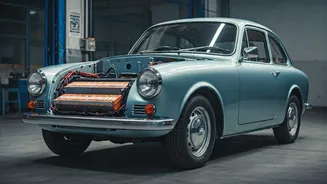
Converting an existing vehicle to electric presents several technical hurdles. First, the process requires proficient mechanical and electrical expertise to safely integrate electric components into the existing vehicle chassis. This includes removing the engine, fuel system, and exhaust system, and then installing the electric motor, battery pack, and other associated components. Ensuring the structural integrity of the vehicle after modifications is critical for safety, and this may involve reinforcing certain areas. Compatibility issues between different components can arise, and effective management of the battery pack's thermal performance is also crucial. Besides, the availability of spare parts and service support for converted vehicles is comparatively less than for mass-produced EVs. Careful planning and execution, along with quality control, are essential to ensure the converted EV is safe, reliable, and performs well.
Drawbacks and Limitations
Despite the benefits, converting a petrol or diesel car to electric also presents several drawbacks. One key consideration is the potential impact on the vehicle's resale value. Converted vehicles may not command the same price as original models, as potential buyers may have concerns about reliability or unknown factors related to conversion. Limited driving range compared to newer EVs or vehicles with large fuel tanks can be a concern, depending on battery capacity. The conversion process can also affect the vehicle's weight distribution, influencing its handling and performance. Moreover, the availability of charging infrastructure remains a challenge in many parts of India, which could restrict the practicality of using a converted EV. Finally, regulatory aspects and approvals related to vehicle modifications need to be carefully addressed, as they can differ based on local laws and requirements.