




Effortless Driving Experience
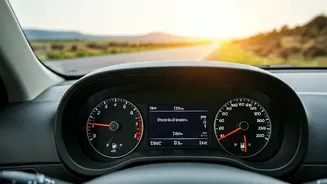
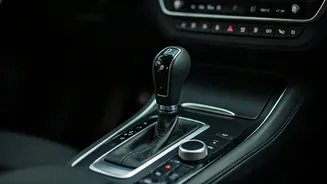
One of the most significant appeals of an automatic transmission is the remarkably simplified driving experience it offers. Unlike manual cars that require
constant clutch operation and gear shifting, automatics handle this entirely on their own. This means drivers can focus more on the road ahead, traffic conditions, and their surroundings, rather than being preoccupied with mechanical operations. This is particularly beneficial in congested urban environments or during long commutes where frequent gear changes can become tiresome. For new drivers, the learning curve is considerably gentler, allowing them to build confidence more quickly. Even experienced drivers often appreciate the reduced physical and mental load, making driving a more relaxed and enjoyable activity. The absence of a clutch pedal eliminates the common anxieties associated with stalling or jerky starts, contributing to a smoother and more fluid journey from beginning to end. This ease of operation is a primary reason for the growing popularity of automatic vehicles.
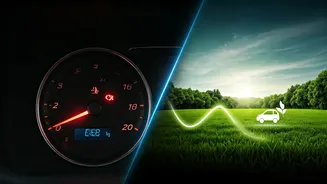
Enhanced Fuel Economy Potential
Contrary to older beliefs, modern automatic transmissions are often engineered to be as fuel-efficient, and sometimes even more so, than their manual counterparts. Sophisticated electronic controls and advanced gearbox designs, like continuously variable transmissions (CVTs) and dual-clutch transmissions (DCTs), allow the engine to operate within its most efficient RPM range for longer periods. These systems are adept at selecting the optimal gear for any given situation, minimizing fuel consumption. The precise control over gear ratios ensures that the engine isn't unnecessarily strained or over-revved, which are common occurrences with less experienced manual drivers. This translates directly into savings at the pump, a crucial consideration for many car buyers, especially with fluctuating fuel prices. While older automatics might have been less efficient, contemporary technology has significantly closed, and in many cases, surpassed the gap, making automatics a financially sensible choice for everyday driving, particularly for those who cover substantial distances.
Improved Resale Value
When it comes time to sell your vehicle, an automatic transmission often holds a stronger appeal in the pre-owned market, translating into a potentially higher resale value. The convenience factor that draws buyers to automatics when purchasing new cars also applies to the used car market. A vast majority of car buyers, especially in urban areas and among families, prefer the ease of driving an automatic, making it a more sought-after option. This higher demand for used automatic cars can directly influence their market price, often allowing sellers to recoup a larger portion of their initial investment compared to a manual version of the same model. Furthermore, the perception of automatics as being more modern and easier to maintain (due to fewer mechanical parts prone to wear like clutches) can also contribute to their desirability and thus, their resale value. This makes choosing an automatic not just a decision for present convenience but also a potentially prudent financial move for the future.
Greater Accessibility for Drivers
The inherent simplicity of an automatic transmission makes driving accessible to a much broader range of individuals. People with certain physical limitations that might make operating a clutch pedal difficult can find automatic cars an ideal solution, allowing them greater independence and mobility. This inclusivity is a significant advantage, opening up car ownership to a wider demographic. For individuals who find the coordination required for manual driving challenging, or for those who simply prefer a less demanding driving experience, automatics provide a straightforward and effective alternative. The reduced complexity of the operation means that more people can learn to drive and operate a vehicle safely and confidently. This wider accessibility ensures that more people can benefit from personal transportation, making automatic cars a critical component of modern mobility solutions for diverse needs and abilities.
Higher Initial Purchase Price
A primary consideration when opting for an automatic transmission is its typically higher upfront cost compared to a manual equivalent. The advanced engineering, complex components, and sophisticated control systems required for automatic gearboxes add to the manufacturing expense. This difference in price can range from a few hundred to several thousand dollars, depending on the vehicle model and the type of automatic transmission employed. For budget-conscious buyers, this initial financial hurdle might be a significant deterrent. While the long-term benefits of fuel efficiency and resale value are appealing, the immediate impact on the purchase budget needs careful evaluation. This cost difference reflects the technological sophistication and the increased number of parts involved in an automatic system, making it a premium option at the point of sale.
Potentially Costlier Repairs
While automatic transmissions are designed for reliability, repairs can often be more expensive when they are needed. The intricate nature of automatic gearboxes, with their complex hydraulic systems, electronic sensors, and numerous moving parts, means that diagnosing and fixing issues can be labor-intensive and require specialized knowledge. Unlike manual transmissions, where clutch replacement is a common, albeit significant, repair, issues within an automatic system can involve a wider array of components. This complexity can lead to higher hourly labor rates for mechanics and the need for more specialized, and often costly, replacement parts. Therefore, while automatics might offer convenience, potential owners should factor in the possibility of higher repair bills in the long run, especially as the vehicle ages and components experience wear and tear.
Less Driver Engagement
For driving enthusiasts who relish the direct connection and control offered by a manual transmission, an automatic car may feel less engaging. The act of manually selecting gears, rev-matching, and feeling the direct mechanical feedback can be a core part of the driving pleasure for many. Automatics, by design, remove this element, prioritizing convenience over driver interaction. While modern automatics often feature paddle shifters or manual modes, they still operate with electronic and hydraulic assistance, which can sometimes feel less immediate or sporty than a true manual gearbox. This is a subjective point, but for individuals who view driving as a skill to be honed and enjoyed through active participation, the lack of direct manual control in an automatic can be a significant drawback. They might miss the feeling of being fully in command of the vehicle's power delivery and acceleration.