



Swift Commute Unveiled
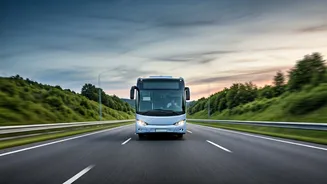
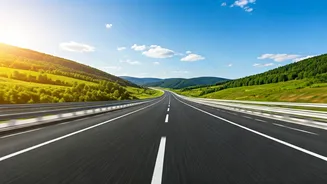
The much-anticipated Delhi-Dehradun Expressway has officially opened, heralding a new era of travel efficiency between the two cities. This engineering
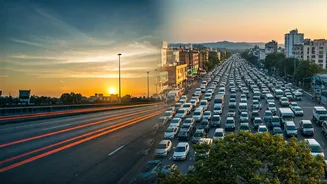
marvel significantly reduces the conventional journey time, which previously spanned approximately six hours, to a mere 2 hours and 55 minutes. This dramatic reduction was confirmed through rigorous testing by UTC, ensuring a faster and more convenient experience for all passengers. The primary focus, as highlighted by UTC officials, is to enhance passenger convenience and accelerate travel, making the route a more attractive option for both leisure and business.
Affordable Travel Now
In conjunction with the expressway's launch, significant fare adjustments have been implemented by UTC, offering substantial savings to travelers. These reductions are a direct result of the shorter route and improved fuel efficiency. Premium Volvo services have seen their fares drop from Rs 945 to Rs 709, representing a saving of Rs 236 per journey. For AC class travel, the cost has been revised from Rs 704 to Rs 557, providing a saving of Rs 147. Even ordinary bus services benefit from this price restructuring, with fares decreasing from Rs 420 to Rs 355, a saving of Rs 65. These adjusted fares make intercity travel more accessible and economical for everyone.
Engineering Marvel Details
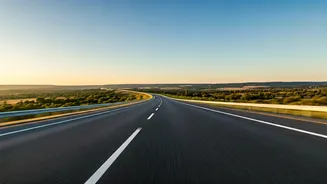
The Delhi-Dehradun Expressway stands as a testament to modern engineering, designed for optimal performance with a maximum speed of 100 km/h. The expansive highway stretches across 6 to 12 lanes, commencing at Akshardham in Delhi and traversing through Loni, Baghpat, Baraut, Shamli, and Saharanpur before reaching Dehradun. A notable feature is the 50.7 km dedicated link that provides rapid access to Haridwar, reducing the travel time from Delhi to this pilgrimage city to just about 2 hours. Furthermore, the project incorporates a 12 km elevated corridor, recognized as the longest wildlife corridor in Asia, passing through the Rajaji National Park, ensuring the safety and passage of local fauna.