







Safety First, Always
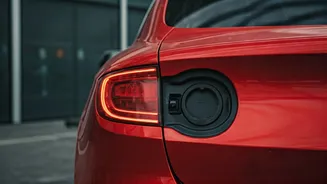
The placement of a car's fuel tank lid is largely dictated by traffic regulations and the side of the road vehicles typically drive on. In countries where
driving is on the right, such as the United States and much of Europe, the fuel filler is commonly found on the right side. This arrangement is a safety measure, allowing drivers to position their vehicles at gas stations so they are closest to the center of the road, thereby minimizing exposure to oncoming traffic. Conversely, in nations with left-hand traffic, like the United Kingdom, Australia, and India, the fuel lid is usually situated on the left. This ensures a similar safety advantage, keeping the car and its refueling process away from the flow of opposing vehicles and enhancing driver security during pit stops.
Engineering Constraints
Beyond road rules, the physical layout of a vehicle plays a significant role in determining the fuel filler's position. Auto manufacturers must carefully consider the integration of the fuel tank, its associated lines, and the exhaust system within the car's chassis. This engineering puzzle aims to optimize space utilization, maintain structural integrity, and avoid encroaching on passenger or cargo areas. Often, the most practical and least disruptive location for the fuel filler neck, which connects to the tank, is dictated by the necessary routing of these other critical components. The path of exhaust pipes and the desire to keep the fuel tank away from heat sources can also heavily influence where the lid ultimately ends up.
Historical Tastes
Sometimes, the location of the fuel tank lid becomes a matter of tradition or brand identity, influenced by historical design decisions. Early automobile designs might have established a precedent for certain manufacturers, leading them to continue placing fuel fillers on a specific side across their model ranges. This can evolve into a recognizable design characteristic for a particular marque. Over many years, these established patterns can persist, even if alternative placements might be technically feasible, simply because it's how it's always been done within that company's design philosophy, creating a lineage of similar placements.
Convenience Factors
While not the primary determinant, driver convenience can also be a minor consideration in fuel flap placement. In some geographic areas, the layout of service stations might feature pumps predominantly on one side, making it easier to refuel if your car's filler aligns with this common configuration. However, this is generally a secondary factor compared to the paramount importance of safety and the constraints imposed by the vehicle's internal engineering. Ultimately, the goal is to ensure a straightforward and secure refueling experience regardless of the specific side chosen.