



Scenic Route, New Dangers
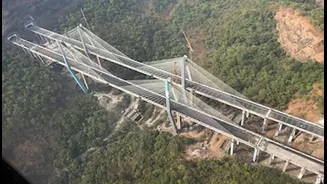
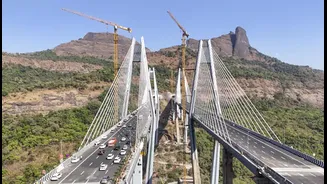
The highly anticipated 13.3 km 'missing link' on the Mumbai-Pune Expressway, a testament to engineering prowess, has unfortunately become a hotspot for dangerous
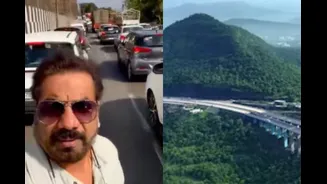
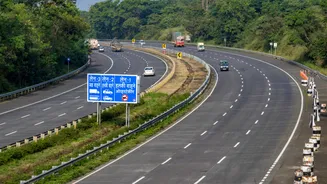
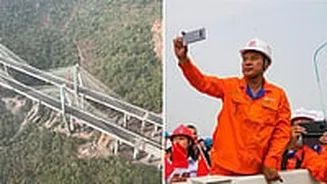
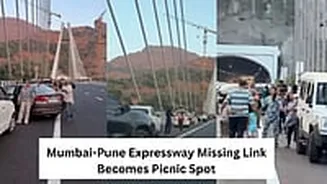
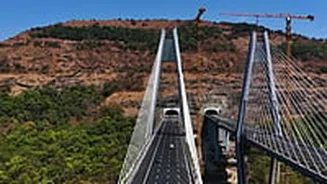
behaviour. Inaugurated on May 1st, this vital stretch bypasses a challenging segment of the Bhor Ghat, promising to slash travel time between India's financial capital and its cultural hub by an impressive 25 to 30 minutes. Developed by the Maharashtra State Road Development Corporation (MSRDC), the route boasts two tunnels, two impressive viaducts, and a striking cable-stayed bridge gracefully arching over Tiger Valley. The breathtaking panoramas presented by the ghats have, however, enticed some travellers to abruptly halt their vehicles amidst high-speed traffic, eager to capture photographs and selfies. This scenic detour is now posing a significant threat to road safety, turning a pathway designed for efficiency into a potential accident zone due to these ill-timed stops.
Police Crackdown On Stops
In response to escalating safety concerns, the Maharashtra highway police have swiftly implemented measures to curb motorists from stopping for photography on the new 'missing link'. A clear prohibition has been issued against halting for selfies and picture-taking on this high-speed corridor. Authorities have warned that any individual caught violating this directive will face severe repercussions, including substantial fines and potentially even criminal charges. Officials emphasized that the stretch is designed for vehicles travelling at speeds of 100-120 kilometres per hour, and any unscheduled stoppage creates an extreme hazard, significantly increasing the likelihood of catastrophic accidents. This decisive action underscores the police's commitment to maintaining the integrity and safety of this critical infrastructure.
Safety Success Story
The operationalization of the 'missing link' has demonstrably enhanced the traffic flow between Mumbai and Pune, the state's two most significant metropolises. Prior to the new route's opening, the highway control room would regularly receive between 10 to 15 daily calls pertaining to accidents or traffic congestion. However, since the 'missing link' became accessible to motorists, there has been a remarkable absence of such reports. This statistic highlights the profound positive impact of the engineering development on road safety and efficiency. The seamless movement of vehicles now underscores the importance of maintaining the integrity of the route and adhering to traffic regulations, ensuring the continued safety and convenience for all travellers.