




Smooth Driving Habits
The way you operate your vehicle has a direct impact on how much fuel it consumes. For optimal efficiency, especially on highways, maintaining a steady
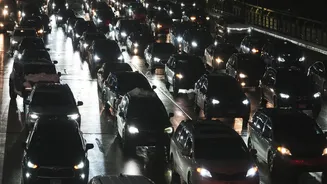
speed is paramount. Modern cars are designed to achieve their best mileage within a specific speed range. Exceeding this can lead to increased fuel use due to higher engine workload and amplified aerodynamic drag. Employing cruise control on long stretches can help you maintain this consistent pace effortlessly, preventing the fuel-guzzling cycles of unnecessary acceleration and braking. Furthermore, aggressive driving maneuvers, such as rapid starts from a standstill and abrupt stops, consume significantly more fuel. By anticipating traffic flow, gently easing off the accelerator when approaching red lights or stationary vehicles, you can minimize the need for sudden braking and subsequent re-acceleration, thereby conserving precious fuel. This conscious effort towards smoother operation not only saves fuel but also contributes to a more relaxed driving experience.
Reduce Unnecessary Load
Excess weight in your vehicle acts as an additional burden on the engine, forcing it to work harder and consequently consume more fuel. Regularly decluttering your car, removing any items from the boot or rear seats that aren't essential for your daily commute or immediate journey, can lead to noticeable improvements in fuel economy. Similarly, external accessories that increase your car's aerodynamic drag, such as roof racks, cargo carriers, or bicycle mounts, can significantly impact your mileage. These additions disrupt the smooth flow of air around your vehicle, forcing it to expend more energy to maintain speed. If these accessories are not in active use, it is advisable to remove them. This simple step can help reduce the strain on your engine and improve its overall efficiency, ensuring you get the most out of every litre of fuel.
Tire Pressure & Maintenance
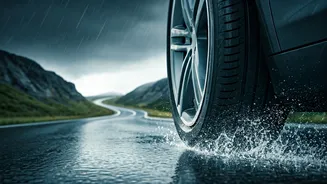
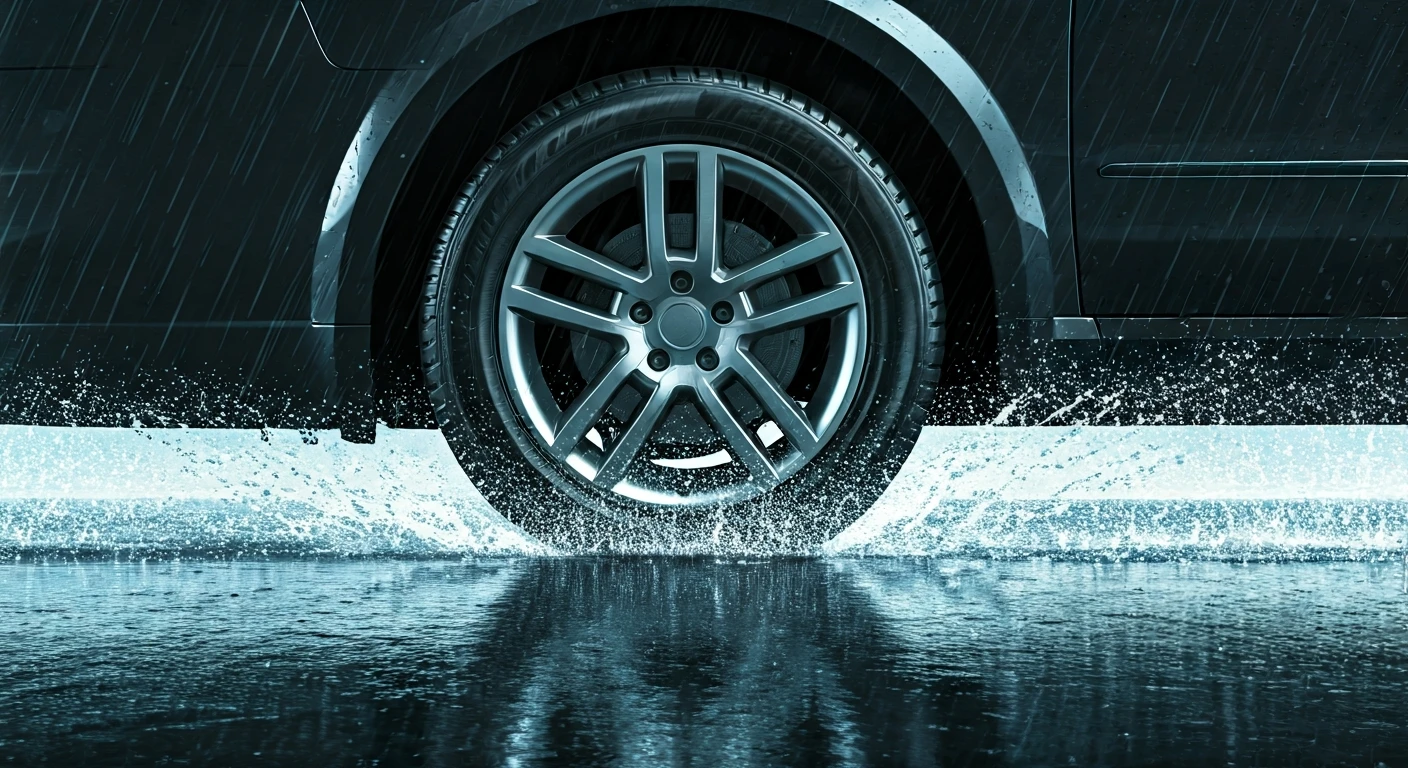
The condition and inflation of your tyres play a surprisingly crucial role in your vehicle's fuel efficiency. Under-inflated tyres present a higher rolling resistance against the road surface. This means your engine has to expend more energy to keep the vehicle moving forward, directly translating to increased fuel consumption. Regularly checking your tyre pressure and ensuring it is maintained within the manufacturer's recommended range is a simple yet highly effective way to boost your miles per litre. Beyond tyre pressure, a well-maintained vehicle is inherently more fuel-efficient. Essential components like the air filter, spark plugs, and oxygen sensors are vital for optimal engine performance. A clogged air filter can restrict airflow to the engine, while faulty sensors can provide incorrect data, leading to inefficient fuel combustion. Routine servicing and timely replacement of worn parts ensure your engine operates at its peak performance, maximizing your fuel economy and extending the lifespan of your vehicle.
Smart Trip Planning
Strategic planning of your journeys can contribute significantly to reducing overall fuel expenditure. By consolidating multiple errands into a single outing, you can minimize the number of short trips, which often lead to greater fuel wastage due to frequent starting and stopping. Consider grouping destinations that are geographically close to each other. Furthermore, in today's digital age, there are numerous smartphone applications available that allow you to compare fuel prices at different service stations. By utilizing these tools, you can identify the most economical fuel options along your planned route, ensuring you fill up at a lower cost. This proactive approach to trip planning not only saves fuel but also helps you manage your budget more effectively and reduces the time spent driving unnecessarily.
Fuel Choices & Future
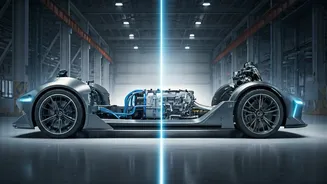
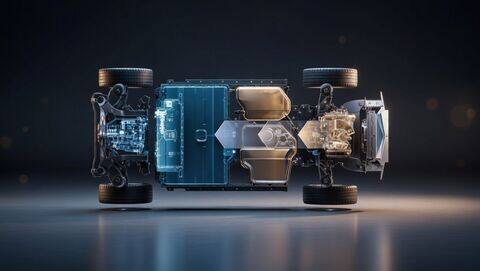
Choosing the correct grade of fuel as specified by your vehicle's manufacturer is fundamental for optimal performance and efficiency. Some vehicles are designed to run on premium fuel for peak efficiency, while others perform perfectly well on regular petrol. Using a fuel type that is not recommended for your car can lead to suboptimal combustion and decreased mileage. Looking towards the future, motorists considering a vehicle upgrade have several eco-friendlier options that offer superior fuel economy. Hybrid vehicles combine a conventional engine with an electric motor, significantly reducing fuel consumption, especially in urban driving conditions. For those seeking an even more sustainable alternative, fully electric vehicles (EVs) offer zero tailpipe emissions and eliminate the need for petrol or diesel altogether, representing a long-term solution for reducing reliance on fossil fuels and lowering your carbon footprint.