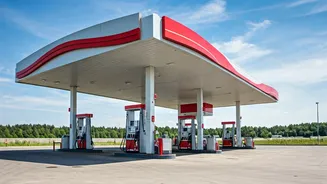

Fueling the Nation
Fuel stations form the backbone of India's transportation ecosystem, enabling the movement of vehicles across the country. These stations dispense crucial
fuels such as petrol and diesel, which power everything from personal cars to large commercial trucks. Fuel is a critical element for India's economic operations as it enables the transportation of goods and people. Without these stations, India's economic machinery would come to a standstill, underlining their importance in maintaining a functioning society. These stations also cater to the needs of the agricultural sector, where fuel powers tractors and other machinery vital for food production. The strategic positioning of fuel stations along highways and in urban centers guarantees easy access for drivers, thereby supporting the smooth flow of traffic.
Beyond Fuel Sales
Fuel stations offer a spectrum of services beyond just dispensing fuel. Many stations feature convenience stores that offer snacks, beverages, and other essentials for travelers. These convenience stores offer a quick shopping experience for individuals on the go. Furthermore, numerous stations have vehicle maintenance facilities that perform essential tasks, like tire inflation and minor repairs. Many stations are equipped with restrooms, serving as resting stops for travelers. These stations go beyond merely selling fuel. Many have facilities for checking tire pressure, topping up water levels, and other basic needs. These additional services enhance the overall experience for customers.
Economic Impact Explained
Fuel stations considerably influence the Indian economy. They generate employment opportunities for thousands of people nationwide, encompassing station managers, pump attendants, and maintenance staff. The revenue derived from fuel sales and associated services helps to boost local economies. Moreover, the presence of these stations also stimulates other sectors, as they create demand for products sold in convenience stores and services provided by maintenance shops. Fuel stations also serve as significant tax revenue contributors to state and central governments, which further supports public infrastructure and services. The strategic placement of fuel stations also drives economic activity in rural areas, enabling accessibility and economic opportunities in previously underserved areas.
Safety and Regulations
Fuel stations operate under strict regulations to ensure safety and environmental compliance. These regulations encompass standards for fuel storage, handling, and waste disposal. Regular inspections are conducted to ensure adherence to safety protocols, including fire safety measures and emergency response plans. Moreover, strict quality control procedures are in place to ensure that the fuel meets specific standards, reducing the risk of vehicle damage and environmental pollution. The government actively monitors the operations of these stations to ensure that safety standards are consistently upheld. These regulations also aim to protect the environment by reducing emissions and preventing fuel spills, ensuring that the operations of these stations do not have an adverse effect on public health and the environment.
Future Trends and Challenges
The fuel station industry in India faces future trends and challenges, including the rise of electric vehicles (EVs). Stations must adapt by incorporating EV charging stations, to stay relevant. There's also a growing demand for eco-friendly fuel options, which means that fuel stations need to align with sustainable practices. Increased competition is driving fuel stations to innovate. Digitalization, which includes the adoption of online payment systems and digital marketing, is also becoming a key element. Fuel stations are looking to boost customer experience and stay ahead of the curve in a fast-evolving market. Another factor is the fluctuating fuel prices, influenced by global events. The sector must respond strategically to these variations in fuel costs.