






Deep Clean Regularly
The foundation of a fresh-smelling car lies in consistent, thorough cleaning. Don't just vacuum the visible spots; delve into the nooks and crannies where
crumbs and debris accumulate, becoming breeding grounds for odors. Regularly empty trash, and use an appropriate interior cleaner on all surfaces—dashboard, door panels, and especially the upholstery. Pay attention to under the seats and in the seat crevices, as these areas often harbor forgotten spills and dirt. A clean car is the first step towards a permanently pleasant scent, preventing odors from becoming deeply ingrained.
Ventilation is Key
Simple yet incredibly effective, allowing fresh air to circulate is a powerful odor eliminator. When the weather permits, open all your car doors and windows for at least 15-30 minutes, preferably on a sunny day. This allows trapped moisture and stale air to escape, carrying away odor molecules. Even a short period of airing out your car daily can make a significant difference in preventing musty smells from developing. Consider this a natural air freshener that costs nothing and is always available.
Combat Moisture Woes
Excess moisture is a primary culprit behind mildew and musty car odors. Check for dampness in floor mats, carpets, and especially in the trunk. Spills, leaks from windows, or even condensation can create a damp environment. Ensure all spills are promptly cleaned and dried. If you live in a humid climate, consider using moisture-absorbing products like silica gel packets or specialized car dehumidifiers, strategically placed in less visible areas to discreetly manage dampness and prevent odor proliferation.
Natural Odor Absorbers
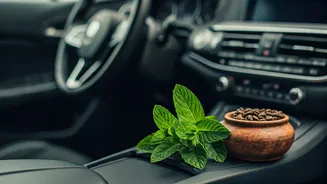
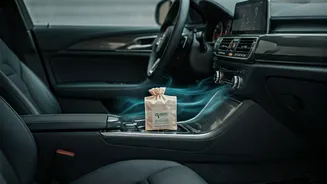
Harness the power of nature to neutralize unwanted smells rather than just masking them. Baking soda is a champion at absorbing odors; simply place an open box or a small dish of it in your car overnight and dispose of it afterward. Activated charcoal is another excellent, long-lasting absorbent that can be placed in breathable bags. Coffee grounds, too, can absorb and impart a pleasant aroma. These natural solutions are non-toxic and highly effective at tackling lingering smells at their source.
Target Specific Smells
Certain odors require a more targeted approach. For lingering food smells, a solution of vinegar and water sprayed lightly on fabric surfaces (testing in an inconspicuous spot first) can help. For smoke odors, a more intensive cleaning process, possibly involving professional detailing or ozone treatment, might be necessary. Pet odors can be tackled with specialized enzymatic cleaners that break down odor-causing molecules in fabrics and carpets. Identifying the source of the smell allows for a more effective and permanent solution.
Refresh Air Filters
Your car's cabin air filter plays a crucial role in the air quality inside your vehicle. Over time, these filters can become clogged with dust, pollen, and other airborne particles, which can then contribute to unpleasant odors when the air conditioning or heating is on. Replacing your cabin air filter according to your vehicle's maintenance schedule, or sooner if you notice a musty smell, is a simple yet vital step in maintaining a fresh-smelling interior and improving overall air quality.
Strategic Air Fresheners
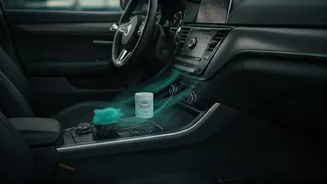
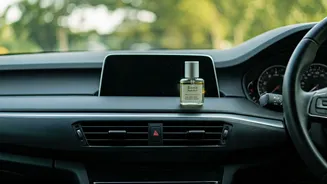
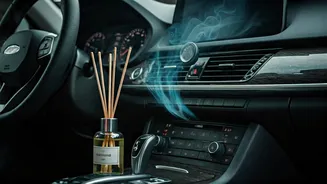
While not a primary solution, well-chosen air fresheners can complement your efforts to keep your car smelling pleasant. Opt for subtle, natural scents like essential oil diffusers or scent sachets rather than overpowering chemical sprays. Place them strategically, perhaps in less direct airflow areas, to provide a gentle, consistent aroma. Remember, the goal is to enhance a clean environment, not to cover up existing odors, so use them after thoroughly cleaning and deodorizing your car.