





New Models Emerge
The year 2026 will bring forth a wave of fresh vehicles, capturing the interest of Indian consumers. Noteworthy among these are expected releases like
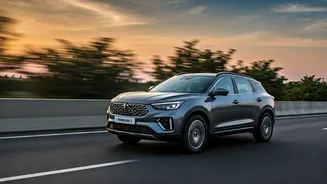
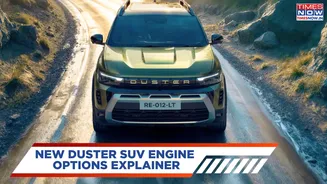
the next-generation Hyundai Creta, spotted undergoing testing for the first time. The 2026 Mercedes-Benz S-Class facelift, with both exterior and interior galleries, promises updated luxury. Volkswagen is slated to launch a compact SUV in mid-2027, adding to the growing SUV segment. Additionally, the new Renault Duster, along with its color options, will be unveiled, further expanding choices for buyers. Expected launches also include the KTM 390 Adventure R and the JSW Motors Jetour T2, catering to various market segments. These new offerings demonstrate the continuous evolution and competition within the automotive market, promising more choices and technological advancements for consumers in the coming years.
Market Dynamics Evolving
Several market shifts are anticipated in 2026, influencing consumer decisions and the industry’s trajectory. One key factor is the India-EU FTA, which is expected to potentially make cars more affordable. Midsize sedans are also predicted to enjoy a prime time in the market. The sales figures from January 2026 for Tata Motors reveal a strong performance, with over 71,000 passenger cars sold. Furthermore, the Tata Nexon achieved its highest-ever monthly sales, exceeding 23,000 units. These statistics indicate the market's dynamism and evolving consumer preferences, with some models experiencing considerable success. The overall market trends point to a diverse and competitive environment, influenced by both policy changes and consumer demand.
Policy and Budgets
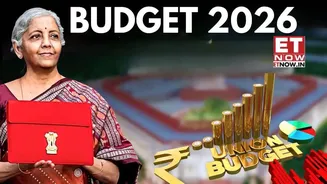
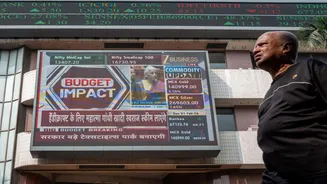
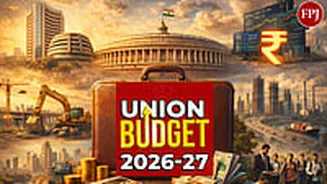
The Union Budget 2026-27 is poised to play a crucial role in shaping the automotive landscape. The expectations of the auto industry regarding this budget will likely influence future developments, offering insights into potential government policies and incentives. The impact of the Union Budget on consumers and the automobile industry will be significant, affecting pricing, demand, and investment. Discussions around the budget's implications are vital for understanding the sector's upcoming trends and potential challenges. Such policies affect everything from sales and manufacturing to the overall economic health of the automotive sector. This makes the budgetary considerations a pivotal part of the overall market forecast.