



A Return to Tactile
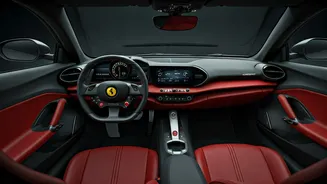
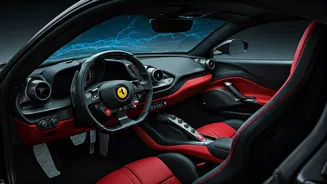
Ferrari's newest foray into electric vehicle interiors is a fascinating study in contrasts, as the brand embraces a decidedly analogue and retro aesthetic.
In an era dominated by the ubiquitous touchscreen, the decision to reintroduce physical buttons and dials is a bold one, especially within the context of an electric car. Partnering with design firm LoveFrom, founded by industry veterans known for their work with Apple, Ferrari aims to infuse a tangible 'feel' into a driving experience that might otherwise feel digitally disconnected. This move is particularly welcomed by those who have long advocated for the necessity of physical controls, lamenting the over-reliance on touch-sensitive surfaces that can prove distracting and unsafe while driving. The intention behind this design choice is to ensure that essential functions are accessible intuitively and effortlessly, enhancing the driver's connection to the machine.
Form, Function, and Feeling
The principles of good design extend far beyond mere aesthetics and tactile sensations; they encompass how a product functions and the emotional response it evokes. Ferrari, in collaboration with LoveFrom, appears to have meticulously addressed the functional aspect of their new interior. The emphasis on physical controls is a direct response to the shortcomings of many modern automotive interfaces, where complex operations via touchscreens can detract from the driving pleasure and safety. By bringing back tactile elements, the aim is to achieve seamless operation, allowing drivers to control vital features without averting their gaze from the road. This focus on 'how it works,' as famously articulated, is paramount in a performance vehicle where split-second reactions are key. The design successfully marries form and function, prioritizing usability and a more engaged driving experience.
Contextual Dissonance?
While the new interior design excels in its practical application and aesthetic appeal, questions arise regarding its contextual suitability for a Ferrari. The interior is undeniably charming, exuding a playful and endearing quality that might feel perfectly at home in a smaller, more whimsical vehicle like a Mini. However, the emotional core of the Ferrari brand is traditionally rooted in thrilling performance and unadulterated excitement. This delightful retro-modern approach, while successful in its own right, might not perfectly align with the primal exhilaration that many associate with the Prancing Horse. The inclusion of aircraft-inspired roof-mounted toggle switches and a launch control button certainly injects a sense of exhilaration, but then elements like a compact, stubby drive selector instead of a more robust, throttle-like lever feel almost too 'cute.' This juxtaposition highlights a potential disconnect between the brand's established identity and the chosen design language for its electric future.
Evolving Brand Identity
It's entirely possible that the perceived contextual mismatch stems from a preconception based on the brand's long history with internal combustion engines. As the automotive landscape shifts towards electrification, brands may need to forge new identities and narratives that resonate with future generations of drivers. The current design, while perhaps deviating from traditional Ferrari 'thrill' elements in certain aspects, could be a deliberate step towards establishing a distinct persona for its electric models. This new identity might lean into a more playful, technologically advanced, yet still engaging driving experience. Ultimately, the true success and appropriateness of this interior design will be determined by time and, more importantly, by the opinions and experiences of the customers who will ultimately own and drive these innovative vehicles.